Brittany Morgan and the Restaurants That Shaped Modern Casco Viejo
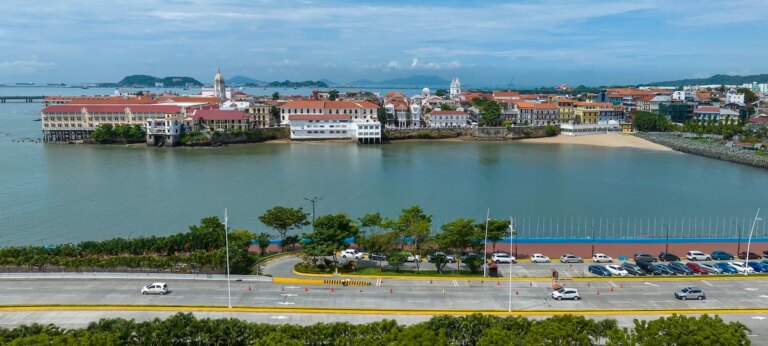
Brittany Morgan arrived in Casco Viejo long before the neighborhood became a dependable dining destination. Known officially as San Felipe, the area evolved slowly, unevenly, and only through people willing to commit before momentum existed. Restaurants that endure here tend to share one defining trait. They were built with patience, not urgency.
Visitors today experience confidence and variety, but they rarely see the uncertainty that preceded it. Early operators made decisions without clear demand, dependable infrastructure, or guarantees. Those who arrived during that period shaped what Casco Viejo ultimately became, often without recognition at the time.
This is not a restaurant review. It is a hospitality profile grounded in time, observation, and lived experience. It documents how Brittany Morgan, working with trusted partners, helped shape modern Casco Viejo through consistency, restraint, and relevance.
Before Momentum Took Hold in Casco Viejo: Brittany Morgan’s Early Years
A decade ago, Casco Viejo was still unfinished as a dining district. The neighborhood carried historical gravity and architectural beauty, but hospitality infrastructure lagged. Restaurants existed, but few had developed rhythm, identity, or long-term operational stability. At that stage, success depended less on promotion and more on reliability. Small teams worked closely with owners, creating consistency through daily presence.
As a result, guests returned because places felt dependable, not because they were trending.. Mistakes were visible and often expensive. Early operators were not responding to demand. They were creating it through daily presence, consistent execution, and relationships built slowly over time.
I first met Brittany Morgan in 2015, when Casco Viejo was still finding its footing. She was not promoting herself or her restaurants. She was working, focused on operations rather than narrative. After decades in hotels and restaurants, I avoid early judgments. Instead, I watch behavior rather than announcements. What matters most is how teams interact, how guests return, and how operations hold under pressure.. It became clear quickly that Brittany was not experimenting or chasing attention. She was building deliberately. Her presence felt grounded rather than performative, and that distinction only became more apparent with time.
Brittany Morgan’s Early Background Before Casco Viejo
Brittany’s path into hospitality began with preparation rather than impulse. She was supported by family and formal education, and she studied hospitality before attempting to operate within it. That foundation matters later, particularly in environments that demand adaptability.
When she decided to explore Panama, the move was intentional. She was not seeking corporate placement or rapid expansion. She wanted ownership, responsibility, and accountability. That mindset framed every decision that followed.
In 2008, she traveled to Panama with her father, exploring the country without rushing conclusions. They observed how people lived, how communities functioned, and where opportunity might exist. Eventually, they reached Bocas del Toro.
Opening Raw Fusion in Bocas del Toro
In 2010, Brittany opened Raw Fusion in Bocas del Toro. It was a sushi restaurant in a place without established dining expectations. To many observers, the choice seemed unusual.
In reality, it was logical. Bocas had abundant fresh fish and a diverse population of travelers and long-term residents. Sushi created a neutral meeting point where different lifestyles could gather comfortably.
Operating a restaurant in Bocas required flexibility. Supply chains were inconsistent, systems informal, and cultural fluency essential. Brittany leaned into that environment, using it as an education rather than an obstacle.
During those years, she learned Spanish, absorbed local customs, and developed patience. What she gained was not just experience, but confidence and perspective.
Knowing When to Move On
After several years, Brittany recognized a ceiling. Bocas had provided grounding and experience, but not long-term growth at that stage. She sold Raw Fusion and began looking toward Panama City.
Casco Viejo stood out because it mirrored Bocas at an earlier stage of development. It carried history, creative energy, and untapped potential. The risk felt familiar rather than intimidating.
That decision reflects a pattern seen in sustainable hospitality careers. Growth often requires leaving comfort behind, not repeating it.
Brittany Morgan Enters Casco Viejo Without Noise
In 2015, Brittany Morgan opened AKI in Casco Viejo.
At the time, this kind of restaurant did not exist in the neighborhood. Casco Viejo had long welcomed visitors from all over the world, but it lacked a single, accessible restaurant concept that international travelers and locals could immediately understand and share. AKI filled that gap.
Drawing on Brittany’s experience working with Panamanian seafood in Bocas del Toro, AKI focused on clarity, freshness, and familiarity without diluting quality. It was a restaurant built on instinct and confidence rather than trend. That intention mattered, even if its significance was not fully visible at the time.
Brittany arrived in Casco Viejo quietly. There was no aggressive branding or launch strategy. The focus remained on operations, community presence, and learning the rhythm of the neighborhood. AKI evolved during this period as a modest space that tested the market without forcing it. That restraint allowed observation rather than assumption and provided early clarity about what Casco Viejo needed next.
In 2016, Brittany & Emma Morgan opened Mahalo Snack Shack on Avenida A.
Snack Shack was never an extension of Aki, nor was it connected to seafood in any way. The concept was developed jointly by Brittany and Emma, shaped by conversations that drew directly on Emma’s background in fitness and wellness long before the restaurant itself existed.
From the beginning, the intention was clear. This would be a fresh, casual neighborhood restaurant designed for daily life rather than occasions. The menu focused on salads, sandwiches, bowls, and approachable comfort food made well. It was meant to be a place people could visit regularly without thinking about it. Breakfasts, lunches, and easy dinners all worked without ceremony.
From the outset, this was a partnership. Emma’s experience in wellness and physical education influenced both menu balance and the overall rhythm of the operation. The concept was built together, with complementary perspectives and shared responsibility, rather than one person supporting another.
Snack Shack quickly became part of the neighborhood’s routine. Locals returned several times a week. Visitors discovered it through repetition rather than promotion. The restaurant succeeded because it was reliable, comfortable, and consistent.
That foundation later allowed Snack Shack to stand independently when Mahalo moved locations. Its success was never tied to trend or novelty.


Mahalo Cocina y Jardín – Hotel La Clementinas 2019
In 2019, Brittany Morgan and Emma Morgan took over a struggling restaurant space inside Hotel La Clementinas and opened Mahalo Cocina y Jardín. The objective was clear from the start: create a restaurant that worked for locals, travelers, and events
Mahalo Cocina y Jardín offered familiar, well-executed food with a healthy lean. Breakfast, lunch, and dinner each functioned clearly and intuitively. Guests understood the restaurant immediately, which mattered more than novelty or forced originality. It was accessible without being generic and polished without being precious.
What truly set Mahalo Cocina y Jardín apart was the versatility of the space itself. At the time, Casco Viejo lacked venues capable of hosting intimate weddings, celebrations, and corporate gatherings without disrupting regular service. Mahalo filled that gap naturally. Multiple areas within the property allowed events to run simultaneously while maintaining privacy. Guests attending functions felt as though they were the only group on site, while diners visiting socially were barely aware events were taking place at all.


Quick Recap
By this stage, Brittany Morgan had reached a turning point familiar to anyone who has watched a young restaurateur come fully into their stride. Following the success of AKI and the opening of Mahalo Snack Shack in 2016, she spent the next several years proving to the market that she was not only a capable operator but a community builder within Casco Viejo and Panama City more broadly.
Building Restaurants in Casco Viejo Through Consistency
Snack Shack proved Brittany’s ability to serve daily life with consistency. AKI, meanwhile, demonstrated range and discipline. Taken together, these concepts created momentum built on trust rather than trend. That momentum carried directly into Mahalo Cocina y Jardín, a restaurant that operates like the best neighborhood institutions in major cities across the United States and Europe. Doors open in the morning. Guests flow steadily throughout the day. Energy carries through to closing. This was not an overnight success. It was an accumulation.
Mahalo Cocina y Jardín elevated everything that came before it and remains an iconic restaurant in Casco Viejo and across Panama. Though considered casual dining, guests dress for the occasion when they celebrate here. It is also my favorite place for breakfast and the restaurant I recommend before starting any day of tours in Casco Viejo.

Some partnerships don’t need explanation. They’re visible in the way people stand together, in the ease of a welcome, and in the confidence of shared work done well. For Brittany and Emma, Mahalo reflects that warmth. A second restaurant built side by side. Calm, practiced, and grounded in everyday hospitality.
Protecting the Event Experience at Mahalo
As Mahalo’s event business grew, challenges emerged. Celebrations in Panama often extend late into the night. Hotel guests required protection from disruption.
Rather than compromise either side, Brittany and Emma made a decisive hospitality decision. They purchased the hotel rooms surrounding the event space, preserving guest comfort while allowing events to flourish.
This was not a marketing gesture. It was an operational decision rooted in respect for guests, residents, and the long-term integrity of the business. Today, Mahalo is one of Casco Viejo’s most sought-after wedding and private-event venues because of that foresight.
La Bárbara speakeasy sushi bar: Brittany’s Partnership With Javier
In 2020, Brittany Morgan made a deliberate pivot. With the right moment approaching to close AKI, she chose not to let its sushi program disappear. Instead, she saw an opportunity to evolve it through collaboration.
That opportunity arrived through Javier, who was new to the Casco Viejo community at the time. Javier brought a Los Angeles sensibility, city energy, and a disciplined approach to beverage programs. Brittany recognized the timing immediately. Together, they collaborated to carry AKI’s sushi concept forward and open La Bárbara.
La Bárbara became Panama’s first true speakeasy restaurant. The location was intentional and discreet, just steps from Mahalo Cocina y Jardín, hidden behind the back of a working hair salon. Guests entered quietly, without signage or spectacle. The setting was authentic, not theatrical.
La Bárbara began as a cocktail-focused venue built around proper pacing, balance, and restraint. As the restaurant evolved, Brittany stepped in to oversee the food program, integrating sushi while preserving the integrity of the space. The collaboration with Javier deepened during this period. His experience in Los Angeles’ beverage culture brought structure and clarity. This was not consulting. It was a partnership.
Together, they shaped La Bárbara into a venue defined by balance. It does not chase volume. It respects its audience, its staff, and its space. That restraint is the point.


BRUMA (2025): Seafood Built on Trust
By 2025, Brittany Morgan had been part of the Casco Viejo community for more than a decade. Her work was understood. Her rhythm was familiar. Her decisions carried weight. It was at this stage that two longtime patrons, one a fisherman and the other a local developer, independently approached her with ideas that would ultimately converge.
The fisherman had supplied seafood to Brittany’s restaurants for years. He had watched her operate closely and understood how she respected product, people, and process. His proposal was direct. It was time to open a full-scale seafood restaurant. Not a trend-driven concept, but one rooted in sourcing, seasonality, and trust.
At nearly the same moment, a developer restoring a landmark building at the corner of Avenida B and Ninth Street offered Brittany the opportunity to take over the space. The footprint was generous. Large enough to move La Bárbara entirely. Brittany and Javier immediately recognized the significance of the timing.
They spoke together. They spoke with the fisherman. The conclusion was simple. They did not need twice the space for one restaurant. They would open two.


Brittany Morgan Casco Viejo, Two Concepts, One Building
The front of the building became BRUMA, Casco Viejo’s first true all-around seafood restaurant. La Bárbara remained exactly what it was meant to be. Discreet. Intimate. Hidden. Guests enter BRUMA, walk upstairs, turn left, and find a single piece of artwork. Pressing it reveals La Bárbara, still operating quietly behind the new concept.
For Brittany and Javier, this was not expansion for its own sake. It was a measured response to trust earned over time. For the neighborhood, it marked a shift. Casco Viejo is entering its next phase.
BRUMA’s seafood program is relationship-driven. Menus follow availability and season. Product leads. Technique supports. The fisherman is not a supplier. He is an investor and collaborator whose knowledge shapes the restaurant daily.
These two restaurants did not need years to become iconic. That work had already been done. BRUMA and La Bárbara stand today as the clearest expression of a decade of accumulation, partnership, and confidence.

Some partnerships don’t need explanation. They’re visible in the way people work together, in the ease of an operation, and in the confidence of shared decisions made well.
For Brittany and Javier, that partnership shows up in places like BRUMA and La Bárbara. Focused illustrating. Calm, intentional, and grounded in disciplined hospitality rather than showmanship.
Four Restaurants, One Shared Philosophy
Snack Shack, Mahalo, La Bárbara, and BRUMA all serve different needs. None feels duplicated or diluted. That separation exists because growth was measured.
Each operation stabilized before the next began. Teams were allowed to mature. Standards held. Hospitality businesses fail when expansion outpaces systems. This portfolio avoided that trap.
Teams, Culture, and Retention
Staff retention across these businesses is notable. Turnover is rare, and when it happens, it is usually intentional. As the organization grows, responsibility increases, creating pathways rather than churn.
Income follows responsibility, allowing stability. Stability reinforces service quality. That cycle sustains guest loyalty over time.
This culture requires daily presence and fairness. It does not happen accidentally.
Fast Facts – Brittany Morgan Casco Viejo
- Founder: Brittany Morgan
- Core partners: Emma Morgan (Snack Shack, Mahalo), Javier (La Bárbara, BRUMA)
- Collaborators: Local fisherman partner (BRUMA sourcing)
- Base: Casco Viejo, Panama City
- Years in Panama hospitality: 15+
- Restaurants: Snack Shack, Mahalo, La Bárbara, BRUMA
- Known for: Partnership-driven growth, staff retention, operational discipline
- Signature achievement: One of Casco Viejo’s most successful wedding and private-event venues
Frequently Asked Questions
Brittany Morgan is a hospitality entrepreneur who, together with trusted partners, operates four established restaurants in Casco Viejo.
Her core partners include her sister Emma Morgan and beverage specialist Javier, alongside long-standing sourcing collaborators.
Snack Shack serves daily life in Casco Viejo and leaves visitors wanting the T-shirt as a local badge.
Mahalo combines functional dining, flexible event space, and protected hotel accommodations.
La Bárbara prioritizes pacing, proper spirits, and balance, featuring rare single-sipping tasting bottles over volume or spectacle.
BRUMA is built on direct relationships with fishermen who use single-line and spearfishing methods to ensure clarity, freshness, and consistency.
Because the food is fresh, the service is warm, the value is clear, and people want to return.
Final Word: Hospitality That Lasts
If you have read this story closely, a pattern becomes clear. There is progression, restraint, and timing. Brittany Morgan does not rush concepts. She opens restaurants when the moment is right and places them where they make sense. That pacing is why it is no surprise that another restaurant is coming.
In 2026, Mahalo Cocina y Jardín will open in Clayton. It is a strong addition for that community and a natural extension of the work already done in Casco Viejo. For visitors staying in Casco, Clayton is only minutes away from the Miraflores Locks. With the way ships move through the locks, this will almost certainly become a very busy lunch restaurant. It is another example of positioning done with intention.
Casco Viejo has seen restaurants arrive loudly and leave quietly. Some chased attention. Others built relevance. Time always reveals the difference. What Brittany and her partners have built is not an empire of concepts. It is a body of work shaped by patience, discipline, and respect for the neighborhoods they operate within.
These restaurants last because they respect rhythm. They respect staff. They respect guests. They respect the community. That respect shows up on ordinary Tuesdays, not just weekends. Brittany’s restaurants are the kind you mention casually, the kind you like to say you have eaten at recently. Not to impress, but because it signals you know where to go.
This is hospitality built on consistency rather than noise. In places like Casco Viejo, that is the difference between being talked about and being trusted.
🇵🇦 Thanks for reading! This blog highlights one of Casco Viejo’s true restaurant pioneers the kind of operator who helped shape the neighborhood’s dining culture long before it became a “scene.”
- 🍽️ Explore where to eat in Casco Viejo’s best restaurants — from courtyard classics to rooftop favorites.
- 🍸 When the day winds down, unwind in Casco Viejo’s iconic bars — where every evening feels like a celebration.
- 🎉 See what’s happening year-round with Panama holidays and celebrations — the traditions that bring the country to life.
💬 Want to experience Casco like a local? Reach out we’ll help you plan your stay and share what’s happening across the neighborhood.
✨ Out and about with James.