Carnival in Panama: What It Is, What It Isn’t, and How to Experience It with Perspective
Carnival in Panama is not background noise. It is a national shift in rhythm that changes how the country moves for several intense days. Roads close. Normal schedules loosen. Panama City partially empties while interior towns swell far beyond their usual size. If you arrive during Carnival week expecting business as usual with a few parades layered on top, that assumption collapses quickly. Carnival does not decorate daily life in Panama. It replaces it.
This matters because Carnival in Panama is often misunderstood by visitors. It is not one single event, and it does not feel the same everywhere. In some places, Carnival is deeply traditional, competitive, and tied to local pride. In other places, it is louder, looser, and driven more by alcohol than ritual. It can feel joyful, communal, overwhelming, chaotic, or all of those in a single afternoon. The experience depends entirely on where you are and how intentionally you engage.
This guide exists to provide context rather than spectacle. You will notice there are no photos in this article, and that decision is deliberate. Carnival imagery, when stripped of explanation, often reduces a complex cultural moment into something sensational or risqué. That kind of presentation does not help travelers understand Panama, and it does not align with the editorial integrity of Casco Viejo 360. Carnival deserves interpretation more than amplification. If you understand the framework, the experience becomes richer and far more manageable.
The Cultural Meaning Behind Carnival in Panama
Carnival in Panama sits on the Christian calendar, taking place in the days leading up to Ash Wednesday and the beginning of Lent. Traditionally, this period marked the final opportunity for indulgence before restraint. That religious framing still matters, even when it is not explicitly discussed. Carnival is loud because quiet is coming. Excess is permitted because discipline follows. This rhythm explains why the celebration feels intense but contained.
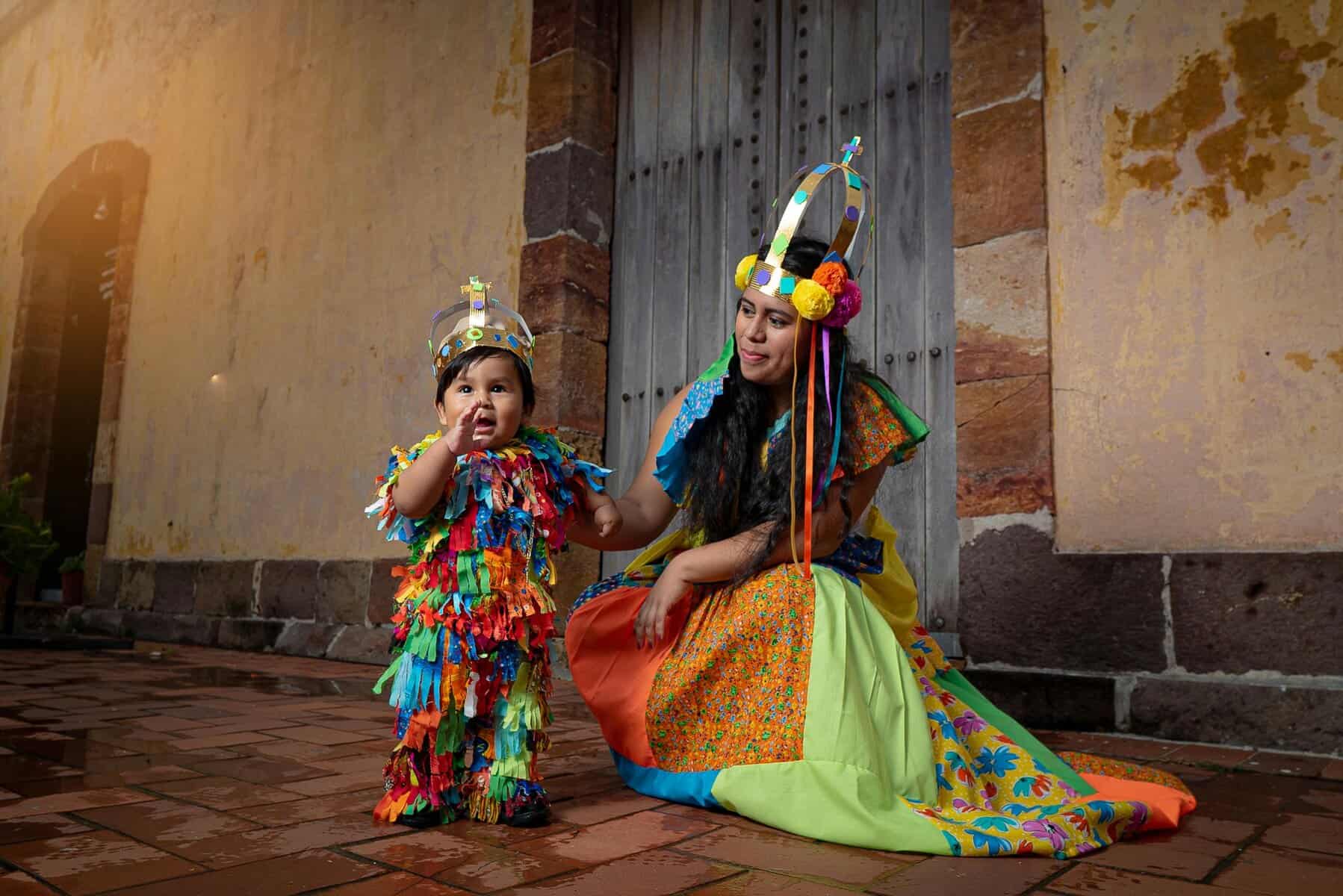
Over time, Carnival in Panama absorbed Afro-Caribbean and Indigenous influences, giving it a character distinct from other famous Carnivals in the region. It is less choreographed than Brazil and less costume-driven than Trinidad. It feels more physical, more communal, and less performative. Carnival here is not staged for visitors. It happens whether anyone is watching or not.
There is also an element of social release. Carnival historically allowed humor, satire, and playful defiance of hierarchy. Masks, costumes, and music soften social boundaries. People behave bigger than usual because the moment allows it. That permission is temporary, and everyone knows it. When Carnival ends, normal order returns quickly. That reset is part of the cultural contract.
Visitors who understand this context tend to have better experiences. They recognize that Carnival in Panama is not chaos without rules. It is freedom within a framework. The framework may be invisible to outsiders, but it is deeply understood by locals. Respecting that distinction is the first step toward navigating Carnival well.
Water, Heat, and the Physical Experience of Carnival
Ask Panamanians to describe Carnival, and water appears early in the conversation. Culecos, the daytime water celebrations, are one of the most recognizable rituals of Carnival in Panama. Large trucks or fire hoses spray crowds gathered in open streets or plazas. Music plays. People dance. Water flows continuously. On the surface, it looks playful. Underneath, it is symbolic.
Water cools bodies in intense heat, but it also resets energy. Everyone gets wet. Everyone laughs. Everyone participates equally. Culecos erase personal space and social distinction. You do not observe them. You stand inside them. That shared physical experience is part of what makes Carnival feel communal rather than performative.
This is also where visitors misjudge the situation. Culecos are not spectator events designed for photos. Phones get soaked. Shoes get ruined. Personal space disappears entirely. If you step into a culeco zone, you are consenting to that reality. For some travelers, this is the highlight of Carnival in Panama. For others, it is deeply uncomfortable.
Neither reaction is wrong. The mistake is discovering your preference too late. The smartest approach is deciding beforehand whether you want to participate fully or observe from the edges. Carnival rewards intention. It punishes hesitation.
Competitive Carnivals and Local Identity
In some towns, Carnival is not a casual celebration. It is a competition. Las Tablas is the most famous example, but it is not the only one. There are rival queens, organized comparsas, rehearsed performances, and loyalties that run through families and neighborhoods. Preparation begins months in advance. Pride is real. Emotions run high.
This version of Carnival in Panama is deeply tied to identity. It is not entertainment created for tourists. Visitors are welcome, but they are guests witnessing something personal. The tone is traditional, proud, and serious beneath the surface joy. That seriousness is why these Carnivals feel authentic rather than staged.
Travelers who arrive expecting casual access sometimes struggle here. They assume all celebrations are open playgrounds. In competitive Carnival towns, behavior that feels intrusive or dismissive is noticed immediately. The experience improves dramatically when visitors observe first and participate second.
Understanding where you are matters. Not every Carnival environment operates on the same social rules. What feels acceptable in one town may feel inappropriate in another. Carnival in Panama is not uniform, and treating it as such flattens the experience.
Daytime Carnival Versus Nighttime Carnival
One of the most important distinctions visitors overlook is the difference between daytime and nighttime Carnival. They are two separate experiences with different risks and rewards. Treating them the same leads to poor decisions.
Daytime Carnival in Panama tends to be social, communal, and mixed-age. Families attend. Music plays. Water flows. The energy is loud but generally friendly. For first-time visitors, daytime events offer the safest entry point. You see tradition in action. You feel the rhythm. You understand the mood without being overwhelmed.
Nighttime Carnival shifts noticeably. Alcohol consumption increases. Crowds tighten. Police presence becomes more visible. Tolerance for poor behavior drops sharply. This does not mean nighttime Carnival is inherently dangerous. It means the margin for error narrows significantly.
Visitors who approach nighttime Carnival casually often regret it. Those who attend with companions, situational awareness, and a clear exit plan tend to fare better. Leaving early is not boring. It is strategic. Carnival in Panama rewards people who read the room and act accordingly.
Safety, Enforcement, and the Reality of Rules
Panama does not suspend law enforcement during Carnival. It intensifies it. Police presence increases across major celebration zones. Officers are visible, active, and empowered to intervene quickly. This surprises visitors who assume festivals equal relaxed enforcement.
Public intoxication is tolerated only to a point. Disorderly conduct is not. Fighting leads to immediate detention. Harassment draws attention fast. Many municipalities restrict glass containers. Alcohol sales may have cut-off times. Traffic checkpoints are common, especially on routes leading to and from interior towns.
This creates an important contrast. Carnival in Panama feels socially permissive but legally structured. That balance allows celebration without escalation. Travelers who understand this dynamic adapt easily. Those who assume anything goes often face consequences they did not anticipate.Panama is relaxed during Carnival. It is not careless. Respecting that distinction protects both your trip and your impression of the country
Where Carnival Works Best, and Where It Doesn’t
Carnival in Panama is not equally enjoyable everywhere for every traveler. Choosing a location wisely matters more than choosing specific events. Interior towns known for Carnival tradition offer immersion but demand tolerance for crowds, noise, limited accommodations, and disrupted services. Beach destinations skew toward party culture with fewer cultural anchors.
Panama City offers fragments of Carnival alongside reduced normal operations. Some visitors enjoy this balance. Others find it disjointed. Understanding your tolerance for disruption is essential.
Where should visitors avoid? Situations where you are alone, intoxicated, and unfamiliar with local dynamics late at night. Dense crowds without clear organization. Wandering without purpose. Carrying valuables openly. Carnival amplifies risk because it amplifies everything.
The smartest travelers treat Carnival like weather. You do not fight it. You plan around it. You dress appropriately. You move intentionally. Carnival in Panama is powerful, but it is predictable when you respect its patterns.
Why Casco Viejo Is a Strategic Base During Carnival in Panama
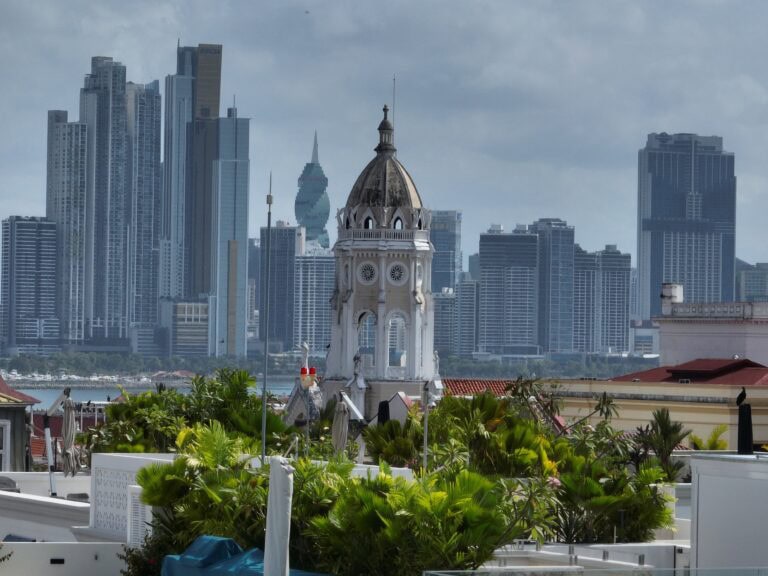
This is where planning meets perspective. Casco Viejo operates differently from many Carnival hotspots. While Panama City as a whole slows, Casco retains structure. It remains walkable. Restaurants and rooftops continue operating. Cultural sites stay accessible. You feel the national shift without being consumed by it.
For visitors who want context without chaos, Casco Viejo is often the right base. You can explore Panama City during the day. You can choose if and when to attend Carnival events. You can retreat easily. You sleep well. You eat well. You maintain control over your trip.
This balance is especially valuable for couples, older travelers, planners, and business visitors in Panama during Carnival week who are not traveling specifically for Carnival. Staying in Casco Viejo allows you to experience Carnival in Panama as part of a broader cultural visit rather than as the sole focus of it.
From an editorial standpoint, Casco Viejo 360 deliberately avoids sensationalizing Carnival imagery. The neighborhood’s identity is rooted in heritage, architecture, and lived culture. Preserving that integrity matters.
Fast Facts About Carnival in Panama
- Takes place in the days leading up to Ash Wednesday
- Public offices and many businesses close or reduce hours
- Domestic travel demand spikes sharply
- Police presence increases nationwide
- Daytime events are generally more approachable
- Nighttime celebrations require caution
- Laws are actively enforced despite the festive atmosphere
- Not all celebrations are tourist-friendly
- Casco Viejo offers a controlled, cultural base
Common Questions About Carnival in Panama
Yes, with planning. Choose locations carefully, protect valuables, and avoid late-night wandering in unfamiliar areas.
Many do. Expect slower service and reduced availability across the country.
Daytime events can work. Nighttime celebrations are generally not family friendly.
That depends on your tolerance for crowds and disruption. The Interior offers immersion. The city offers control.
Yes. It provides balance, walkability, and cultural continuity during a disruptive week.
Final Thoughts on Carnival in Panama
Carnival in Panama is not mandatory. You do not have to love it. You do not even have to attend it. But if you are in the country during that week, you should understand it. Carnival reveals how Panama releases pressure, celebrates identity, and resets itself before returning to routine.
The best experiences come from intention. Choose where you stand in it. Choose how deeply you engage. Respect the culture that sustains it. When you do, Carnival becomes something richer than noise. It becomes insight.
That understanding is the difference between enduring Carnival and appreciating it.
Thanks for reading. Carnival in Panama is meant to be enjoyed — loudly, colorfully, and with a sense of perspective. Have a lot of fun, keep that smile on your face, trust your better judgment, and remember that the best Carnival stories are the ones that stay joyful and safe.
This piece is part of a broader body of work documenting Casco Viejo not as a trend, but as a living neighborhood that continues on even when the rest of the country shifts into celebration mode. Understanding when to step into the energy — and when to step back — is part of experiencing Panama well.
If Carnival has you curious to explore more once the music fades, you may enjoy these related pieces:
- 🍸 Element Bar Casco Viejo — a place for thoughtful conversation, craft, and calm when you’re ready to slow the pace.
- 👋 First Time Visiting Casco Viejo — a grounded introduction to the neighborhood beyond the headlines.
- 🏨 Where to Stay in Panama — choosing the right base makes all the difference, especially during busy weeks.
Want to experience Casco with confidence? I’m always happy to help you navigate the neighborhood, plan a stay, or understand what’s really happening on the ground — Carnival week or any other time of year.
Explore Casco Viejo
On Your Own Time
This self guided walking tour is designed to last up to four hours, but you set the pace. Do it in one relaxed half day, or break it into a few stops between coffee, meals, and photos.
- No groups, no schedules
- Start anywhere, stop anywhere
- Works on phone or desktop
Galería Solar Casco Viejo
Step into one of Casco Viejo’s most creative spaces, where local artists, makers, and visitors cross paths in a light-filled cultural hub.
Best Casco Viejo Blogs
A curated collection of long-form stories offering deeper context, local insight, and lived perspective on Casco Viejo.
Panama City Hike
Escape the city streets and discover a greener side of Panama through one of its most accessible urban hiking experiences.





Great article!