
UNESCO World Heritage Honor: Casco Viejo & Panama’s Colonial Transisthmian Route
Why the Casco Viejo UNESCO Recognition Matters Today
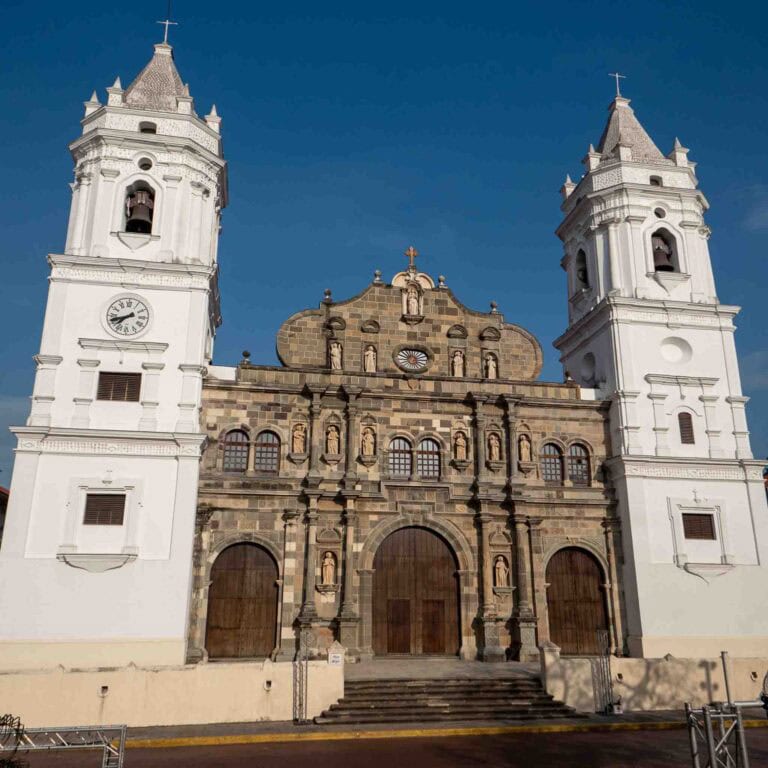
The Casco Viejo (also known as Sam Filipe) UNESCO designation is a moment of pride for Panama and a powerful affirmation of a district that has shaped history for centuries. As someone who has lived here for seventeen years, I feel the weight of this honor every time I walk past the Cathedral towers or hear the bells cut through the morning light.
This new UNESCO recognition highlights the Colonial Transisthmian Route, a centuries-old path that connected the Caribbean to the Pacific long before the Panama Canal existed. Casco Viejo sits at the heart of that story, and the UNESCO honor confirms what residents and historians already know: this small district has always played a global role.
How Panama Earned Its New UNESCO Status
UNESCO added the Colonial Transisthmian Route in 2025 because the route shaped early global trade in a way few places could. This path carried gold, silver, supplies, letters, soldiers, and ambition across the isthmus. Everything eventually arrived in Casco Viejo before heading across the Pacific. The Casco Viejo UNESCO connection includes:
- The Camino Real
- The Camino de Cruces
- The restored plazas, churches, and stone corridors
- The urban footprint shaped by centuries of movement
When you walk Casco Viejo today, you’re following a route that changed continents.
Casco Viejo’s UNESCO Story: Old and New
Casco Viejo first received UNESCO World Heritage recognition in 1997 for its Spanish colonial architecture, plazas, churches, and historic layout. That honor remains in full force.
The 2025 UNESCO listing expands the district’s global importance by recognizing the transisthmian route that fed into Casco Viejo. Together, the two designations create a complete picture:
- 1997: Architecture and urban design
- 2025: Trade, movement, and the route’s cultural impact
- Casco Viejo UNESCO status today: A living blend of culture, history, and identity
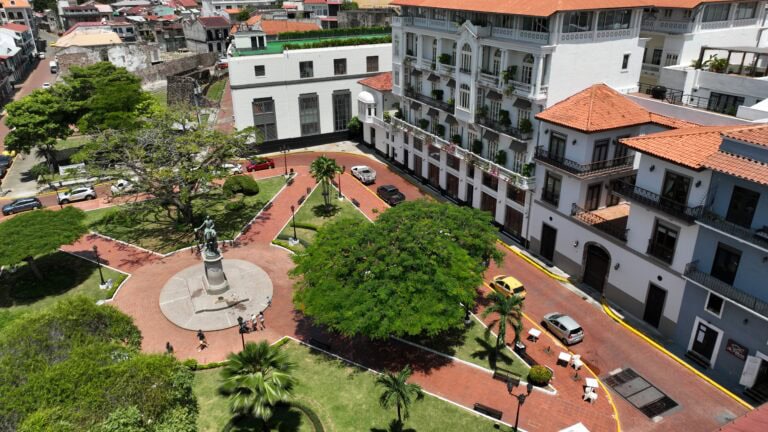
To see this legacy up close, visit the Municipal Palace Demetrio H. Brid near Plaza Catedral. It stands as one of Casco’s finest republican-era buildings.
What Visitors See Today Along the Casco Viejo UNESCO Route
Casco Viejo is walkable, intimate, and layered with detail. The Casco Viejo UNESCO storyline runs through:
- Plaza Catedral
- Plaza Bolívar
- Plaza Herrera
- Avenida A
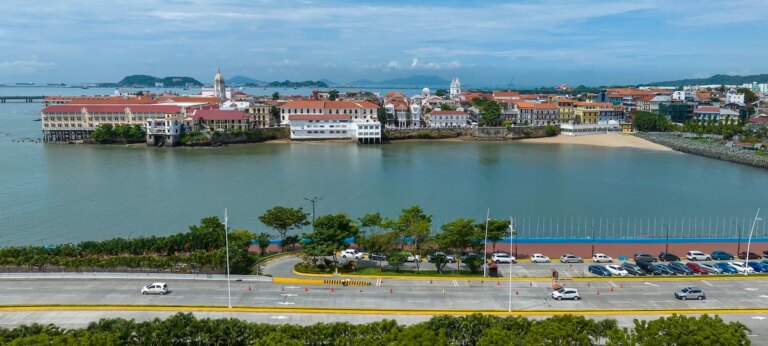
- The old seawall
- The Cathedral towers
- The stone corridors leading toward the Pacific
These spaces are more than scenic. They reflect centuries of movement across the isthmus.
When caravans finished their journey through rainforest and river, they reached these same plazas. The sound, the light, and the tight streets still echo that arrival.
Why the Casco Viejo UNESCO Designation Matters to Panama
UNESCO recognition elevates the district, but more importantly, it protects its future. The designation brings:
- Cultural preservation
- Increased tourism and visibility
- Investment for restoration
- Support for local communities
- A global spotlight on Panama’s heritage
/For residents, the Casco Viejo UNESCO listing isn’t just a title. It’s a reminder of how much this district has given Panama and how much it still offers visitors.
A Walk with a View of the World
Take a slow walk down Avenida A. Stop at the seawall and look toward the Pacific. Stand in Plaza Catedral and listen for echoes of the past. These simple moments connect you to the same path caravans followed centuries ago.
For nature lovers, the Metropolitan Natural Park only fifteen minutes from Casco shows another side of Panama. Sloths, birds, and rainforest light remind you how closely nature and history still sit in this country. This blend of urban energy and natural calm has always been part of Casco Viejo’s identity, and it now forms part of the larger Casco Viejo UNESCO experience.
Fast Facts: Casco Viejo UNESCO & the Colonial Route
- Original UNESCO Listing: Casco Viejo was first recognized in 1997.
- New 2025 Designation: Honors the Colonial Transisthmian Route.
- Focus Keyphrase: Casco Viejo UNESCO covers architecture and trade.
- Route Length: About 80 km from coast to coast.
- Casco Highlights: Catedral Basílica, Plaza Bolívar, Plaza Herrera, Avenida A.
- Walking Time: Explore most Casco Viejo’s sites in 60–90 minutes.
- UNESCO Reasoning: Early global trade, preserved routes, cultural impact.
FAQ: Visiting the Casco Viejo UNESCO Sites
Casco Viejo’s architecture, history, and role in early global trade make it one of Latin America’s most complete colonial districts. UNESCO recognized both its urban design and its connection to the Transisthmian Route.
Plan for one to two hours. Everything is walkable and safe, with clear paths between plazas, churches, and the seawall.
Yes. The district is one of Panama City’s safest and most visited areas, especially during the day.
Not required, but a guide can add deeper context and reveal hidden courtyards, architectural details, and stories from Panama’s early colonial period.
It’s included below in this article. The map highlights the most important churches, landmarks, and historic points connected to the Casco Viejo UNESCO route.
Closing Thoughts
Casco Viejo may be small, but it contains a world’s worth of stories. This new Casco Viejo UNESCO designation doesn’t simply recognize the past it strengthens the district’s place in Panama’s future. These streets carry memory, resilience, and meaning. They connect the colonial era to modern life in a way few neighborhoods can.
Every day, I watch locals and visitors share these spaces. Children run across Plaza Herrera. Residents open their balconies to the morning light. Tour guides gather in Plaza Bolívar. The Cathedral bells roll across the rooftops. These moments remind you why UNESCO matters here. It honors the people as much as the stones.
And as Casco Viejo grows, the responsibility grows too. Preserving its architecture, plazas, and churches is essential not only for tourism, but for cultural identity. This district shaped Panama’s past, and it will continue shaping its future.
Below you’ll find the Churches & Monuments Map, designed to help you explore the most meaningful heritage sites connected to the Casco Viejo UNESCO story—from the Cathedral towers to the historic plazas that framed the old transisthmian route.
Churches
- Iglesia de la Merced
- Iglesia San José (The Golden Altar)
- Metropolitan Cathedral Basilica of Santa María la Antigua
- Iglesia San Francisco de Asís
- Parish of San Felipe de Neri
Monuments & Landmarks
- Independence Square (Plaza de la Independencia)
- Arco Chato – The Flat Arch
- Bolívar Statue – Plaza Bolívar
- Plaza de Francia – Las Bóvedas
- National Theatre of Panama
- Plaza Herrera
- Return to the homepage for top picks and local stories
- Discover more on our Sightseeing in Casco Viejo page
- Need a hotel? View our curated Hotel Recommendations
🧭 Out and about with James.
Explore Casco Viejo
On Your Own Time
This self guided walking tour is designed to last up to four hours, but you set the pace. Do it in one relaxed half day, or break it into a few stops between coffee, meals, and photos.
- No groups, no schedules
- Start anywhere, stop anywhere
- Works on phone or desktop
Where to Stay in Casco Viejo
Discover the best hotels in Casco for recovery—quiet, stylish, and just minutes from Panama’s top clinics and hospitals.
View HotelsHealthy Dining for Recovery
Explore Casco’s best cafes and restaurants with clean, recovery-friendly menus that nourish without sacrificing flavor.
Explore DiningGentle Self-Guided Walks
Take a scenic stroll through Casco Viejo’s historic streets—perfect for movement, recovery, and reconnecting with the beauty around you.
View Tours