Panama National Theatre in Casco Viejo: How One Building Restarted Cultural Life
When we arrived in Casco Viejo (San Felipe) in February 2008, the Panama National Theatre stood as one of the few places where the district’s cultural gravity was still visible. The neighborhood felt suspended rather than abandoned. The buildings were intact, the streets carried weight, and history was everywhere, but daily life had not yet returned. Casco Viejo had presence, but it did not yet have rhythm.
At that time, there were four restaurants and one convenience store. That was it. After dark, the streets emptied quickly. The neighborhood felt more like a preserved district than a living one. Momentum had not yet formed.
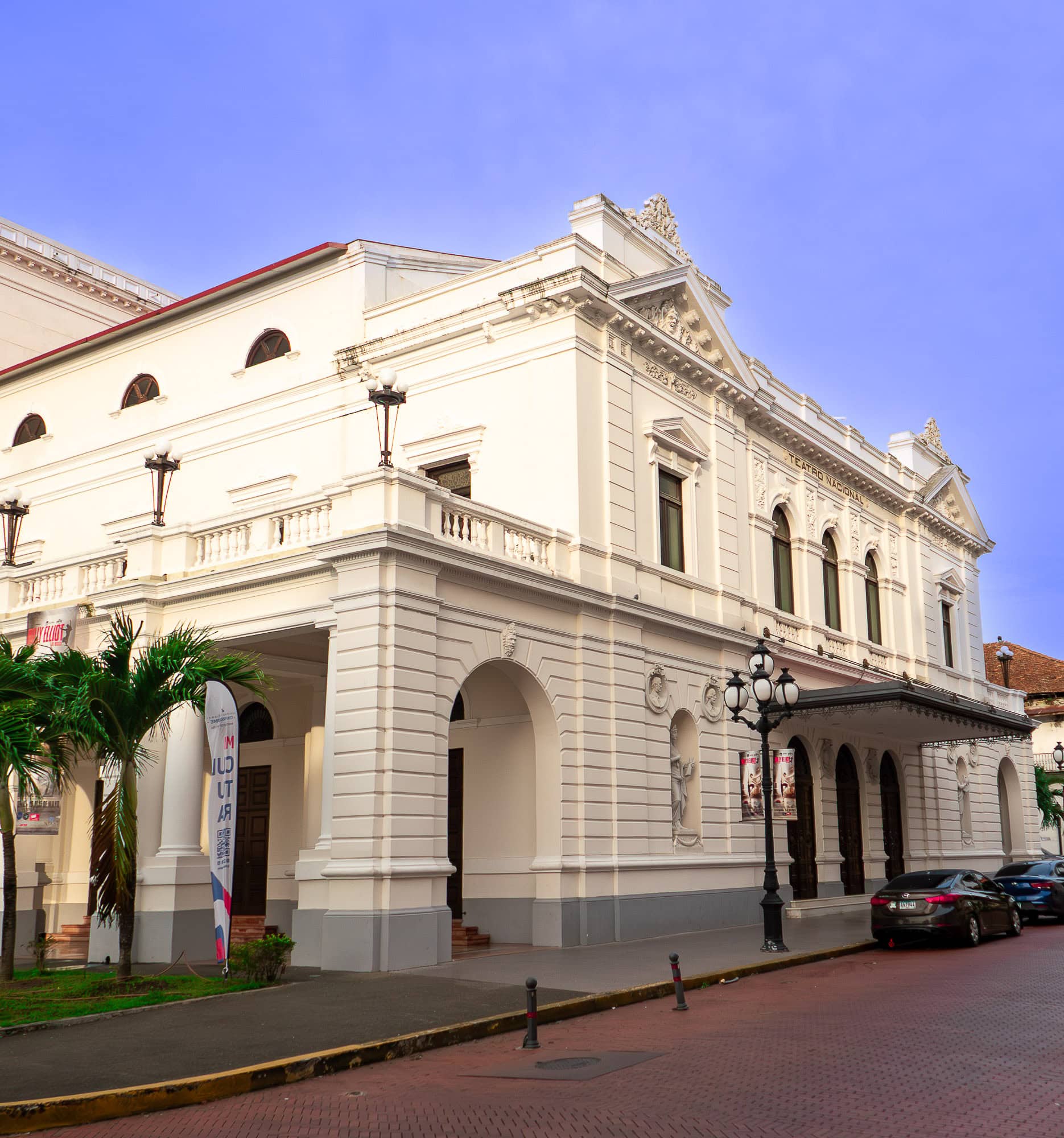
Nearly every major institution existed in the same state. The churches and cathedrals were structurally restored but quiet. The Mayor’s Office stood preserved, functional in form but limited in presence. The French Embassy remained dignified and silent. Panama’s National Theatre belonged to this same category.
The theatre stood as proof of cultural ambition, not yet as a working institution. It existed. It waited.
This context matters. It explains how Casco Viejo evolved. Preservation came first. Participation followed later. Without that early restraint, nothing sustainable would have emerged.
Casco Viejo Before Cultural Momentum Took Hold
In the mid-2000s, Casco Viejo was still unfinished as a cultural district. It carried architectural gravity and historical importance, but institutional life lagged behind. Buildings had been saved, but purpose had not yet returned to many of them.
The early focus was stabilization. Roofs were repaired. Walls were reinforced. Structures were protected. What came later was programming, culture, and relevance.
This phased approach mattered. It prevented spectacle from overtaking substance. Casco Viejo did not rush to perform. It waited to function.
The Teatro Nacional de Panamá mirrored this condition precisely. It was preserved, but not activated. Present, but not producing.
That distinction explains everything that followed.
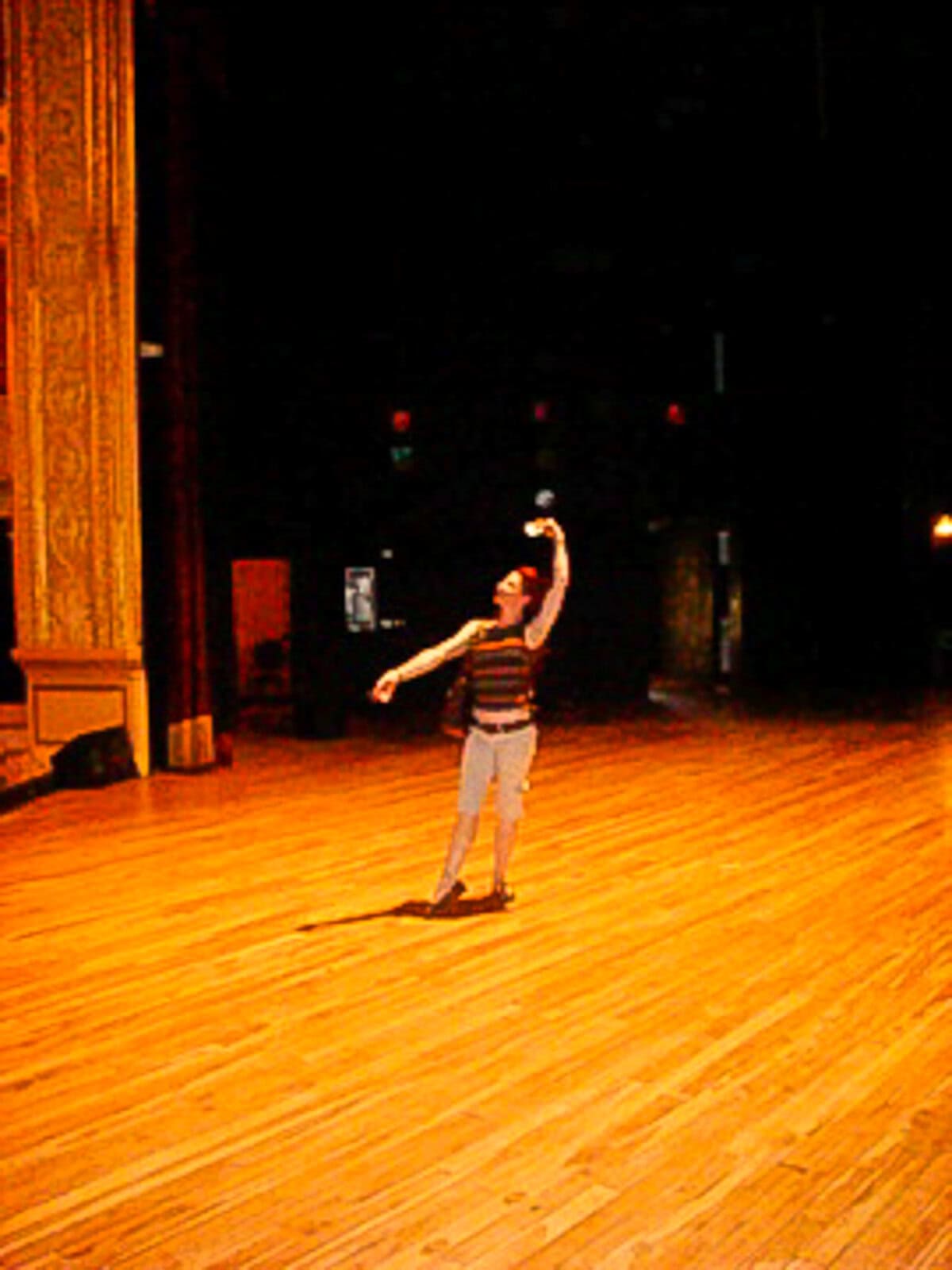
A Theatre Born With the Republic
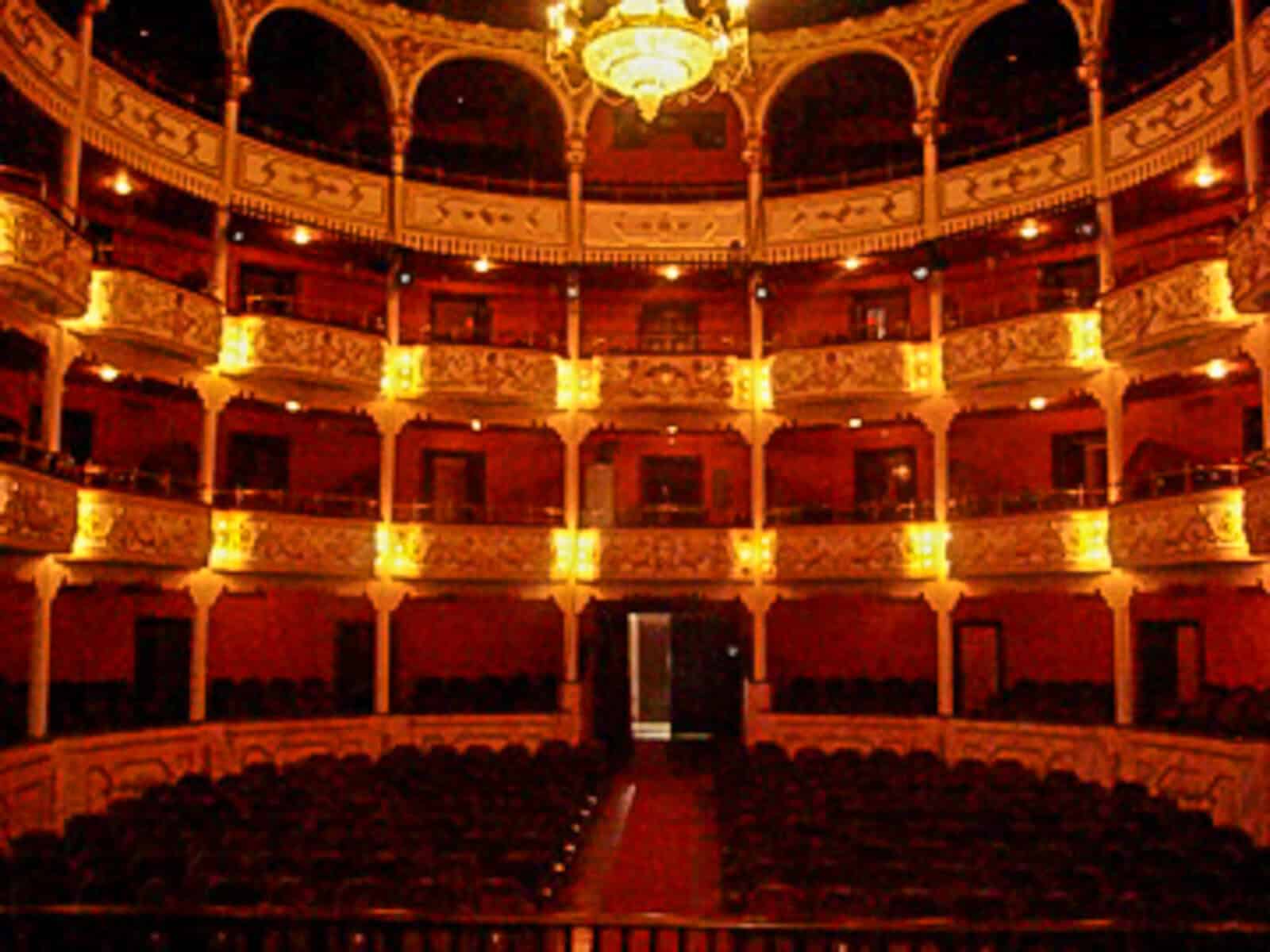
The Panama National Theatre opened in 1908, only a few years after Panama became a republic. Designed by Italian architect Genaro Ruggieri, the theatre followed European opera house traditions both in form and intention.
This was never meant to be a casual venue. It was designed as a national institution. A place for serious performance. A place where culture was meant to be elevated.
The ceiling fresco, painted by Panamanian artist Roberto Lewis, remains one of the theatre’s most defining features. It depicts allegorical muses celebrating art, music, and performance. The symbolism is direct. Culture was meant to be visible, respected, and permanent.
For much of the twentieth century, the theatre served as one of Panama’s primary cultural stages. Its decline was gradual, shaped by shifting priorities and changing urban dynamics. Its revival would require patience rather than reinvention.


Ballet, Britain, and Lasting Cultural Influence
One of the most important chapters in the National Theatre’s story involves ballet. Panama’s relationship with ballet did not emerge through tourism or trend. It was shaped by individuals and institutional commitment.
British ballerina Margot Fonteyn developed a deep personal relationship with Panama beginning in the mid-twentieth century. Through her marriage to Panamanian diplomat Roberto Arias and her extended time in the country, she became more than a visitor.
Fonteyn advocated for ballet as a serious art form in Panama. Her presence helped legitimize ballet within cultural institutions that might otherwise have overlooked it. Over time, ballet received formal state support.
This support led to the development of a nationally backed ballet tradition. The National Theatre became one of its most important stages. That legacy remains visible today.
Ballet in Panama is not occasional. It is institutional. That continuity reflects long-term belief in the arts.
Restoration as Foundation, Not Reinvention
A major restoration effort in the early 2000s marked the theatre’s turning point. The focus was not cosmetic. It was functional.
Structural reinforcement ensured longevity. Acoustic recalibration ensured performance quality. Historic finishes were conserved carefully rather than replaced.
Lighting systems, stage functionality, and seating were modernized with restraint. Nothing was sacrificed for convenience. Nothing was altered for trend.
The restoration respected the theatre’s purpose. It treated performance as equally important as heritage.
When the theatre reopened, it did not chase attention. It reentered cultural life deliberately.
The Panama National Theatre Returns to Relevance
As Casco Viejo slowly regained daily life, the theatre followed. Programming returned steadily. Audiences returned. Artists returned.
Plays, concerts, operas, and ballets now fill the calendar. The theatre functions year-round. It is no longer symbolic. It is operational.
On opening night, the atmosphere feels global. The bunting, signage, and polished entrance doors set the tone. Inside, the grand staircase leads toward restored boxes. Floor seating has been fully refurbished.
Acoustically, the space performs beautifully. Especially for ballet and classical music.
The theatre no longer represents memory. It represents continuity.


Cultural Expansion Over the Last Fifteen Years
Casco Viejo’s cultural expansion did not arrive suddenly. It unfolded gradually. Early restoration created stability. Later investment created expression.
Over the past fifteen years, artistic life has expanded dramatically. Music venues emerged. Theatre programming returned. Dance became visible again.
The Panama National Theatre stands at the center of that evolution. It anchors cultural credibility. It signals seriousness.
This growth reflects maturity rather than novelty. Casco Viejo did not become cultural by accident. It became cultural by design.
Why the Panama National Theatre Matters Today
The National Theatre tells the same story as Casco Viejo itself. Preservation came first. Participation followed. Culture returned not as nostalgia, but as function.
The theatre demonstrates how heritage can support contemporary life without becoming frozen. It shows how patience produces relevance.
If you visit Panama, check the theatre’s schedule. If a performance is scheduled, attend it. Few places illustrate Panama’s cultural confidence more clearly.
Fast Facts: Panama National Theatre
- Official name: Teatro Nacional de Panamá
- Opened: 1908
- Location: Plaza Bolívar, Casco Viejo
- Architect: Genaro Ruggieri
- Ceiling fresco: Roberto Lewis
- Primary uses: Ballet, theatre, concerts, opera
- Major restoration: Early–mid 2000s
Q&A: Visiting the Panama National Theatre
The theatre operates year-round and hosts a steady calendar of ballet, opera, orchestral concerts, and cultural performances.
When performances are not scheduled, visitors are often able to enter and view the interior during permitted access hours.
Ballet in Panama benefits from sustained public support, with the National Ballet Company operating under long-term state backing.
The National Theatre has played a defining role in Casco Viejo’s cultural reactivation, anchoring the district’s artistic identity.
During the early 2000s, the building remained accessible but functioned without consistent programming or artistic momentum.
Even without a scheduled show, the theatre’s architecture, interior detailing, and historical presence justify the visit.
The Panama National Theatre sits directly on Plaza Bolívar, at the heart of Casco Viejo’s historic core.
In both acoustics and architectural design, the theatre meets standards expected of respected international performance venues.
Final Thoughts: A Theatre That Changed the Direction of Casco Viejo
The Panama National Theatre is no longer a monument to the past. It is a working institution built for the future, and its return has reshaped life in Casco Viejo in tangible ways.
Since its revival, the district has gained confidence. Galleries have opened. Independent venues have followed. Creative spaces now feel viable, not aspirational. The arts are no longer occasional here. They are part of daily life.
For those of us who arrived when Casco Viejo was still quiet and unfinished, the change has been profound. The theatre did more than restore a building. It restored belief. It signaled that culture could lead regeneration rather than trail behind it.
Today, Casco Viejo’s cultural heritage is not merely preserved. It is blooming. That growth can be traced back, in part, to the steady presence of the Panama National Theatre as a beacon for the arts.
For visitors and residents alike, it remains one of the most meaningful places in the district. Not because of what it once was, but because of what it continues to make possible.
🇵🇦 Thanks for reading! This blog explored the Panama National Theatre one of Casco Viejo’s most enduring cultural institutions and a quiet constant in the neighborhood’s artistic life across generations.
- 🎭 Explore Casco Viejo’s cultural history understanding how theatre, music, and architecture shaped the district long before its modern revival.
- ⛪ Visit the Metropolitan Cathedral another cornerstone of Casco Viejo’s civic and cultural identity, rooted in continuity and public life.
- 📜 Discover Panama’s broader historical context the events, traditions, and institutions that continue to inform the country’s cultural voice today.
💬 Want to experience Casco like a local? Reach out and we’ll help you plan your visit and share what’s happening across the neighborhood, beyond the obvious stops.
✨ Out and about with James.
Explore Casco Viejo
On Your Own Time
This self guided walking tour is designed to last up to four hours, but you set the pace. Do it in one relaxed half day, or break it into a few stops between coffee, meals, and photos.
- No groups, no schedules
- Start anywhere, stop anywhere
- Works on phone or desktop
Casco Viejo’s Restaurant Pioneers
Explore how thoughtful operators helped shape Casco Viejo’s dining culture through consistency, restraint, and long-term commitment.
Read the StoryTop Restaurants in Casco Viejo
From refined dining rooms to relaxed courtyards, these are the restaurants that consistently deliver quality and atmosphere.
Explore RestaurantsFavorite Rooftop Bars at Night
As the sun sets, Casco Viejo moves upward—rooftop bars where views, music, and evening energy define the experience.
View Rooftops