What Visitors Get Wrong About Casco Viejo
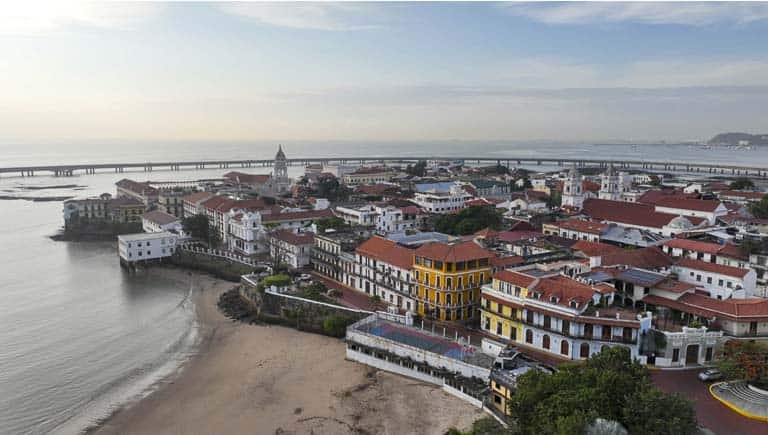
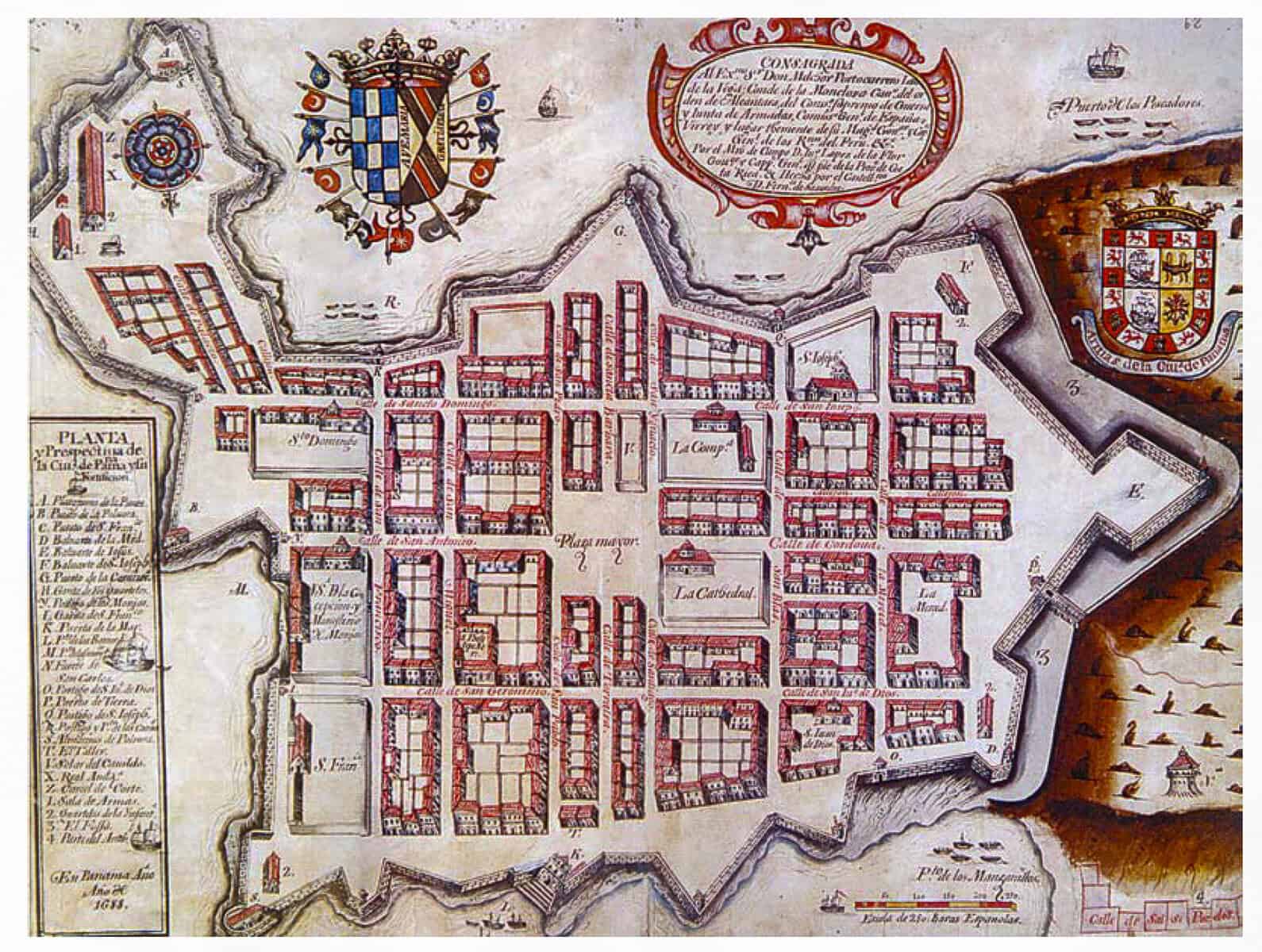
Visitors get Casco wrong, and that’s understandable. Casco Viejo is small by design. Three primary streets and roughly ten cross streets create a compact, walkable footprint that reveals its intent quickly. This is not a place to rush through or consume on a checklist. You are here to slow down, notice details, and discover what most people miss.
Casco Viejo, also known as San Felipe, was built for movement at human speed. It rewards curiosity, attention, and patience. Depth here does not come from distance or scale. It comes from proximity, repetition, and detail. This distinction matters, because many visitors arrive expecting something Casco was never intended to be.
When expectations are misaligned, misunderstandings follow. Casco Viejo does not compete for attention. It does not announce itself loudly. It reveals itself slowly, and only to those willing to adjust how they move through it.
Visitors Get Casco Wrong About Size
Casco Viejo is often described as small, usually by people who pass through it too quickly. The neighborhood is compact, but it is not shallow. It is layered.
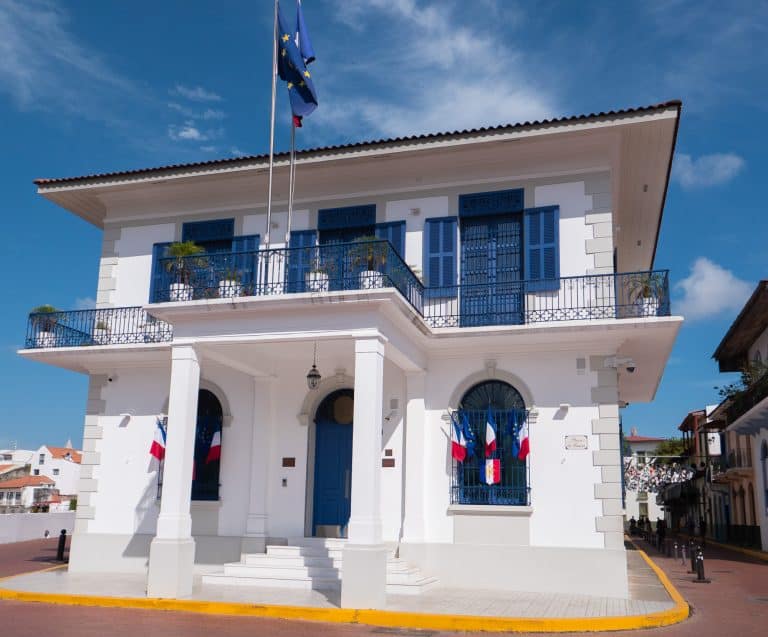
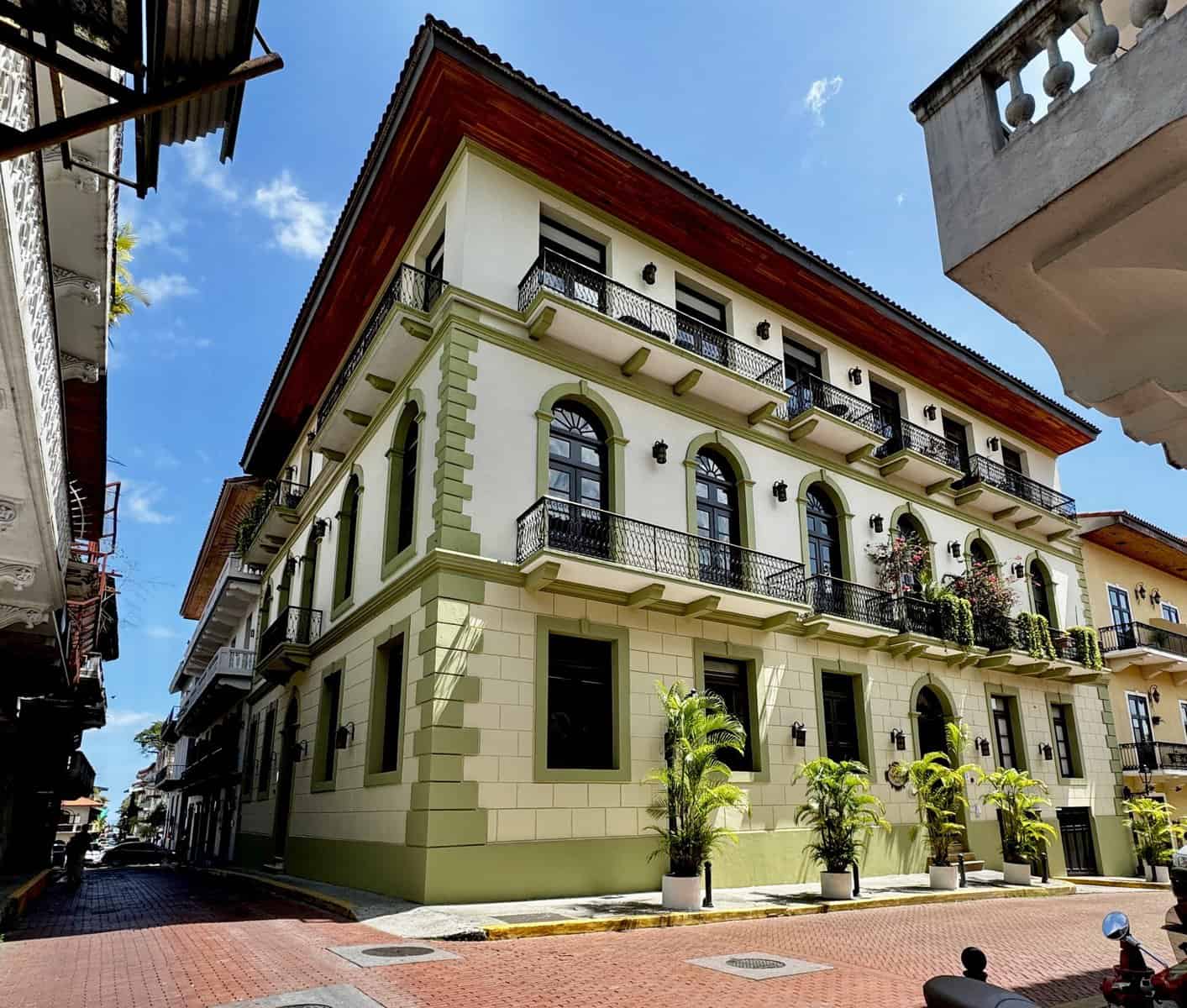
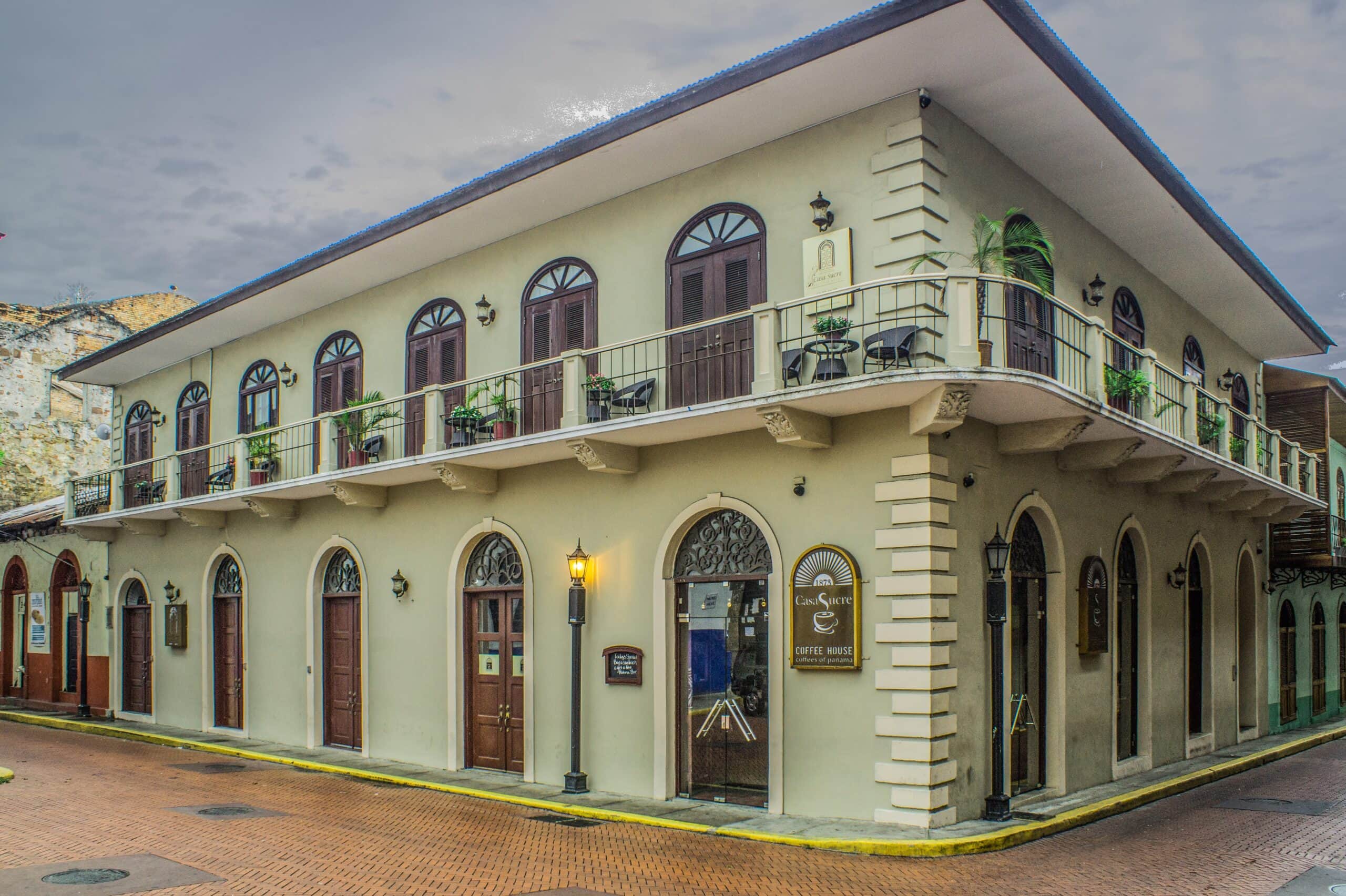
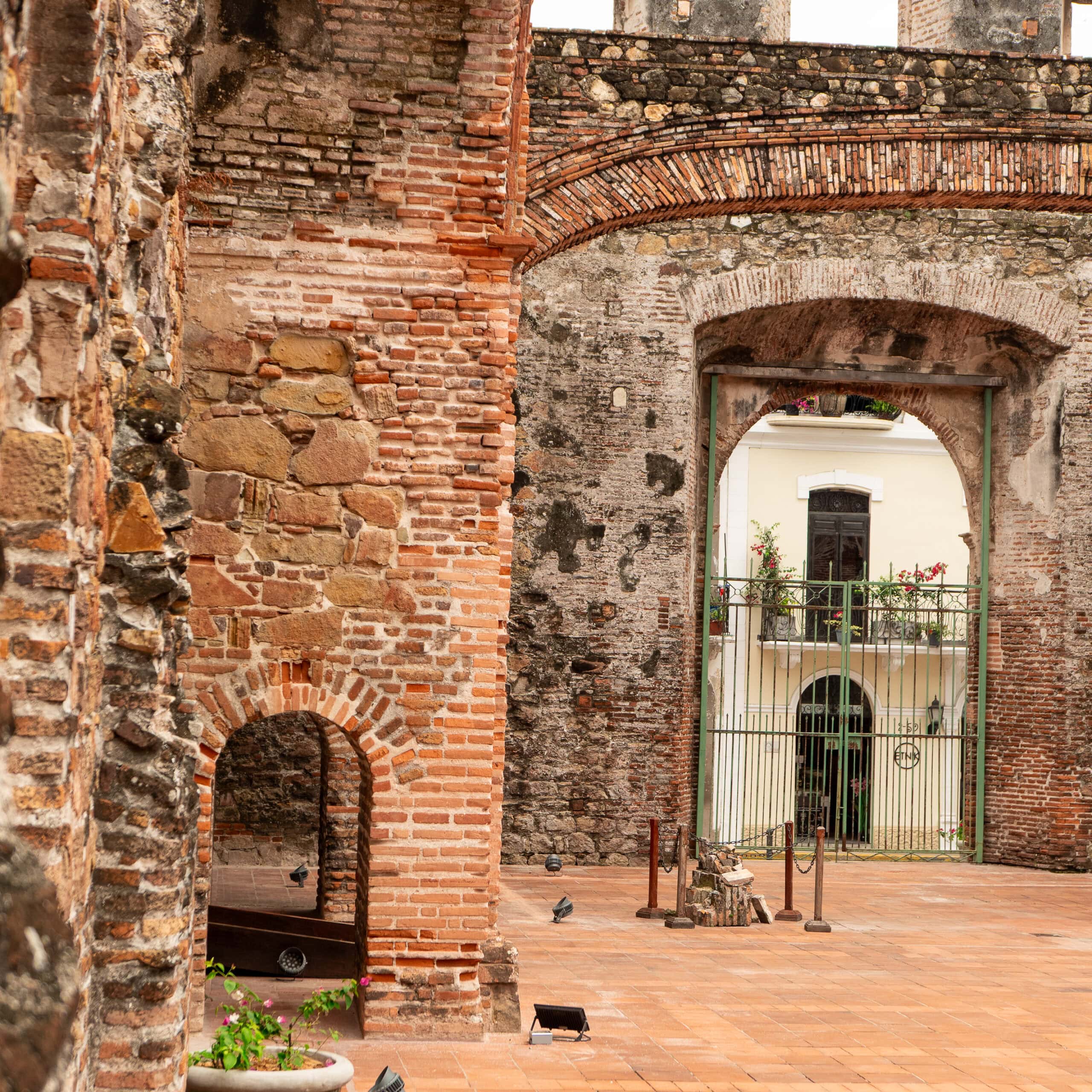
Churches sit beside family homes. Courtyards open behind unmarked doors. Museums exist inside former convents. Cafés operate within buildings that have lived several previous lives. History does not present itself in a straight line. It reveals itself one block at a time, often without explanation or signage.
Visitors who rush through Casco Viejo tend to see only the surface. Those who slow down begin to understand how much life fits into a small physical space. Casco does not ask for more time than you have. It asks for a different relationship with time altogether.

Visitors Get Casco Wrong About Safety
Few misconceptions linger as stubbornly as questions about safety. Much of this confusion comes from outdated narratives that no longer reflect daily reality.
In Casco Viejo, history lives in the buildings, not in present-day behavior. Today, Casco Viejo is one of the safest areas in Panama City. Security is visible and consistent. Streets remain active throughout the day and evening. Movement patterns are predictable, and the neighborhood is well understood by residents, authorities, and visitors alike.
Understanding geography matters here. If you walk past 11th Street, you have left Casco Viejo. That boundary is important. Many safety concerns arise from failing to distinguish Casco from neighboring districts. Within Casco itself, the environment is stable, monitored, and lived in by people who care deeply about its preservation.
Visitors Get Casco Wrong About Sound and Silence
Casco Viejo is not loud in the way many historic districts are loud. There are no constant engines, no background roar of traffic, and no pressure to keep moving. What visitors notice instead is rhythm.
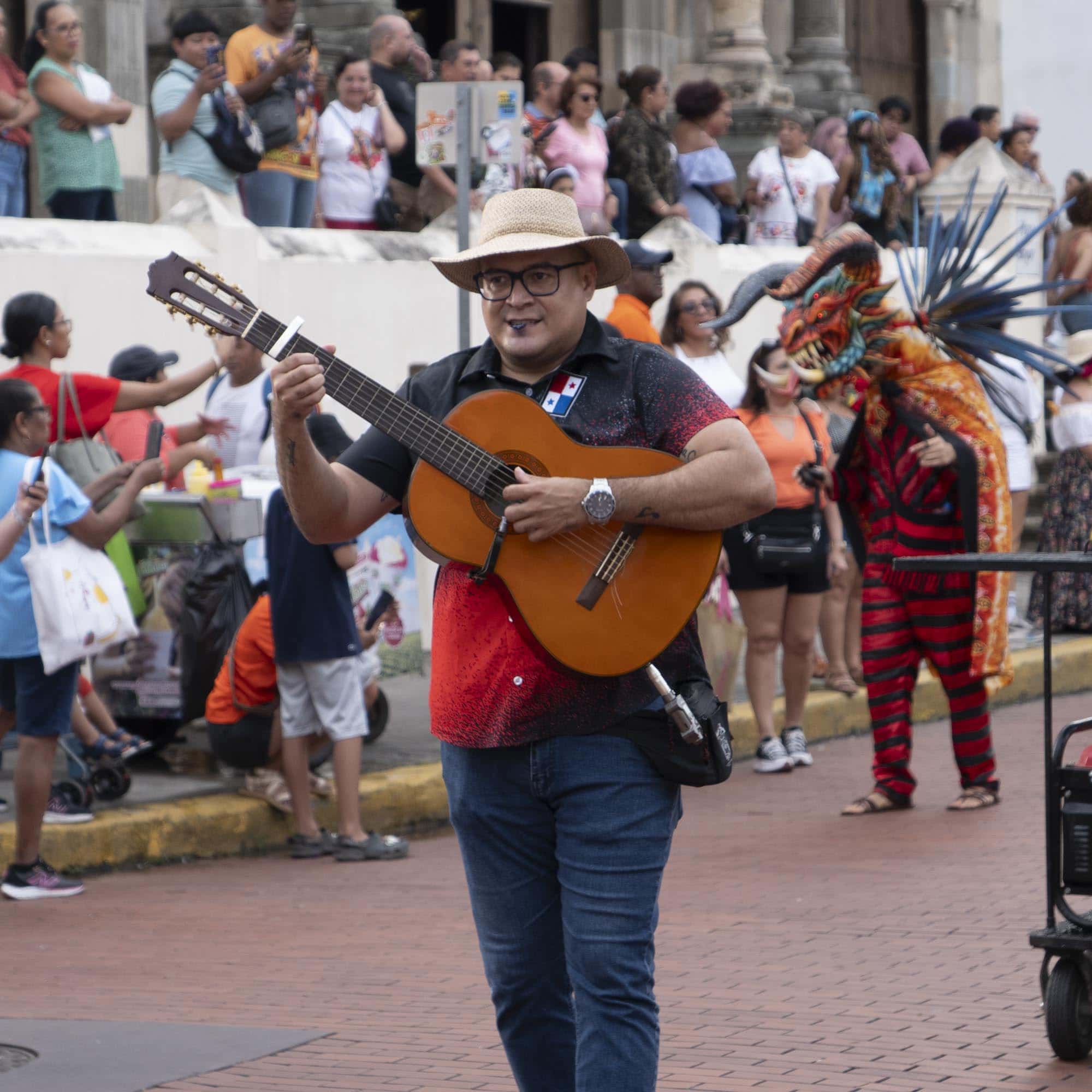
Church bells mark time rather than demand attention. Conversations carry, but they do not compete. Music appears in pockets and disappears again. Silence exists here, not as emptiness, but as space.
This matters more than people realize. Sound shapes how long visitors stay, how much they notice, and how comfortable they feel lingering. Casco Viejo allows the city to breathe. That breathing room is part of its character, and it is something many visitors only recognize once they leave.

Visitors Get Casco Wrong About Spontaneity
Casco Viejo does not require an itinerary. In fact, for some it works best without one.
Many visitors arrive with tightly planned routes and scheduled stops, only to abandon them once inside. A doorway catches attention. A courtyard invites entry. A conversation extends longer than expected. Casco rewards curiosity more than planning.
This spontaneity is not accidental. The neighborhood’s scale allows for safe wandering, easy recalibration, and frequent rest. You are never far from shade, seating, or a place to pause. Visitors who allow plans to loosen often experience Casco more fully than those trying to “see everything.”
Casco Viejo is not about efficiency. It is about discovery.
Visitors Get Casco Wrong About What to Photograph
Casco Viejo is highly photogenic, but not in obvious ways.
Visitors often focus on façades, plazas, and skyline views, missing the smaller moments that define the neighborhood. Light filtering through ironwork. Shadows moving across stone. Laundry lines above quiet streets. Reflections in old glass.
The best photographs here are rarely wide-angle statements. They are details. Angles. Fragments. Casco reveals itself in pieces, and those pieces carry more truth than postcard views.
Visitors who slow down and look closer tend to leave with images that feel personal rather than performative. Casco Viejo does not pose. It reveals.
Visitors Get Casco Wrong About Traffic
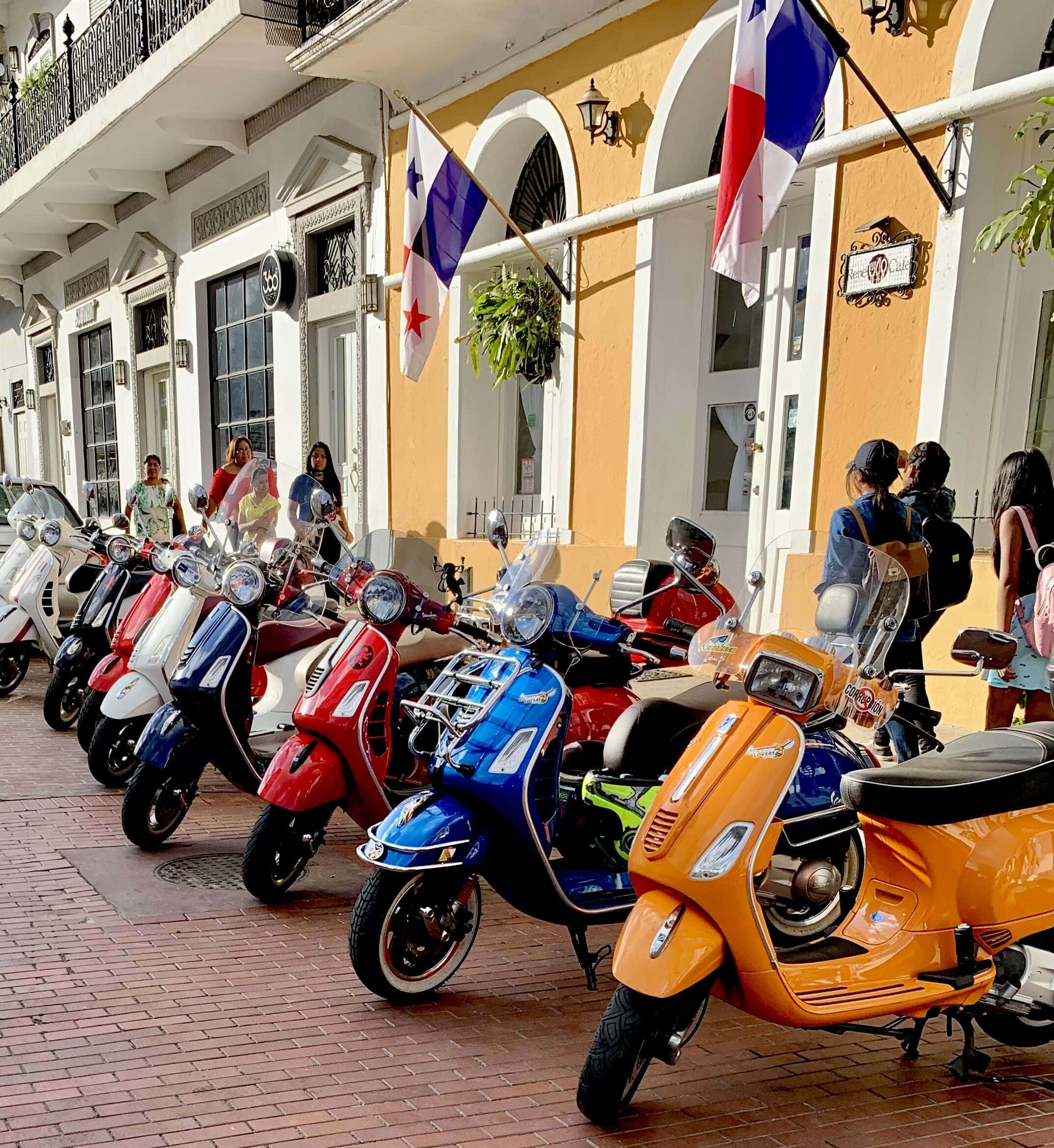
Casco Viejo was never designed for cars, and visitors who expect it to function like a modern downtown often misinterpret this as a flaw. It is not.
The solution is simple. Arrive by Uber at the entrance to Casco Viejo (9th & Ave B – SISU Coffee Studio), then walk everywhere once inside. When you leave, return to the same general area and call Uber again. This works consistently and removes nearly all frustration.
Once you step into Casco Viejo, traffic stops being part of the experience. Streets narrow. Sound softens. Movement slows. What appears inconvenient from a vehicle becomes intuitive on foot. Casco rewards those who leave the car behind.
Visitors Get Casco Wrong About Ease & Comfort
Casco Viejo sits on a peninsula, surrounded by water on three sides. That geography shapes how the neighborhood feels.
Breezes move through streets and plazas. Shade is built into the architecture. Courtyards, arcades, and churches offer natural places to rest. Benches appear where you need them, often without planning.
Views are constant and varied. On one side, the Panama City skyline rises across the water. On another, cruise ships pass toward the Amador Causeway. In the distance, the Frank Gehry Biomuseum anchors the horizon, while ships transit beneath the Bridge of the Americas. This combination of shade, water, and openness creates a sense of comfort visitors often underestimate.
Why Casco Viejo Explains Panama
Casco Viejo is the old city. Everything else in Panama connects back to it.
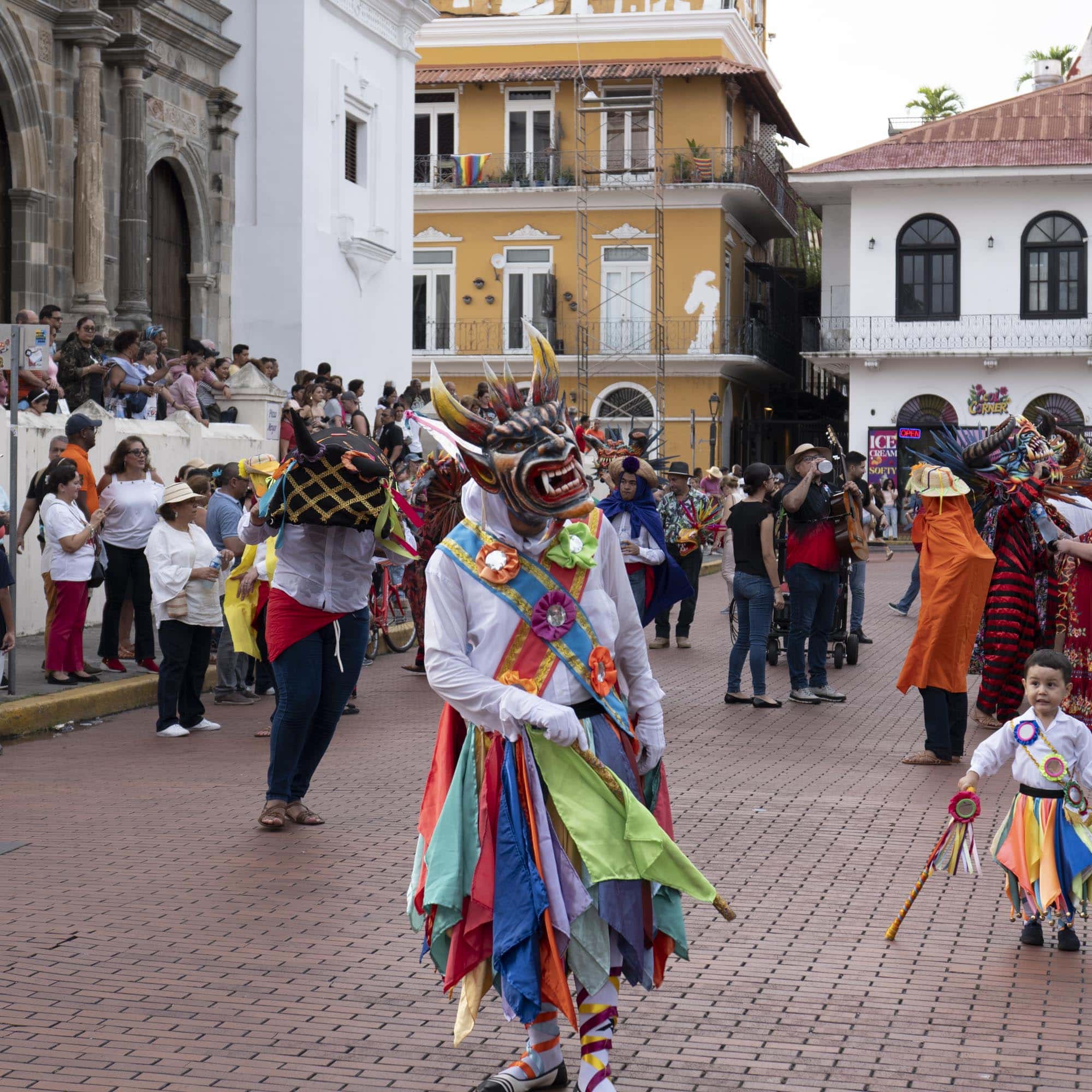
National celebrations return here. Public ceremonies gather around the Metropolitan Cathedral at the heart of Casco Viejo. Churches line Avenida B, and La Merced on 10th Street remains a spiritual and architectural anchor. When Panama marks important moments, it does so in Casco.
Understanding Casco Viejo provides context for the rest of the country. It explains how Panama sees itself, how history is honored, and how modern life continues alongside tradition.

Who Casco Viejo Works For
Casco Viejo works remarkably well for a wide range of travelers.
Solo travelers find it manageable and safe, ideal for exploring with a phone or camera in hand. Couples passing through on layovers discover an easy way to break a journey, collect meaningful souvenirs, and leave with stories worth remembering.
Families benefit from the neighborhood’s density. Museums, shaded plazas, seating, and varied dining options make it accessible across generations. Executive groups and planners find Casco Viejo offers sophistication without stiffness, making it well suited for meetings, team walks, and dinners in a secure environment.
A Better Way to Think About Casco Viejo
Visitors do not get Casco Viejo wrong. More often, they are given incomplete overviews.
Like any resort city, hotels design beautiful environments for guests to remain comfortable within their orbit. There is nothing wrong with that. But tourism has changed. Travelers now seek understanding alongside comfort. They want to know where they are and why it matters.
Casco Viejo provides that grounding. It does not replace modern Panama City. It completes it.
What I Tell Visitors Personally
When you stay in Panama City, go downstairs and speak with your concierge or front desk team. Ask them about Casco Viejo and what they recommend. It is only a five-to-ten-minute ride.
I have never met anyone in a hurry to leave Casco Viejo. And I have yet to meet anyone who did not enjoy their time here. Those conversations continue to confirm why I chose to live here and why I remain grateful.
Frequently Asked Questions
Yes. Casco Viejo is one of the safest and most monitored neighborhoods in Panama City
It depends on lifestyle choices. Affordable and luxury options exist side by side.
Arrive by Uber, walk throughout the district, and Uber out from Tantalo Hotel.
Half a day is the minimum. A full day reveals its rhythm.
Yes. The walkability, museums, shade, and dining variety work well for all ages.
Yes. It offers secure, walkable sophistication ideal for executive gatherings.
Not necessarily. Casco rewards self-guided exploration, though guided tours add historical depth.
Absolutely. Casco provides historical context that enhances the rest of the city.
Fast Facts
- Also known as San Felipe, Casco Viejo is a UNESCO World Heritage Site and Panama’s original historic city.
- Located on a historic peninsula, it is bordered by the Pacific Ocean and Panama Bay, creating constant views and cooling sea breezes.
- The neighborhood is fully walkable, designed around human-scale movement rather than vehicles.
- Casco Viejo functions as both a residential community and cultural center, with churches, museums, restaurants, hotels, schools, and family homes all within a compact area.
- It is the ceremonial heart of Panama, hosting national celebrations, religious processions, and major cultural events.
- Casco Viejo is one of the most secure and closely monitored districts in Central America.
- The neighborhood is easily accessible from anywhere in Panama City, typically within a five to ten Uber ride.
Closing Thoughts
Every country has a place where its story begins. In Panama, that place is Casco Viejo.
If you visit Panama and skip Casco Viejo, you miss the foundation. If you rush through it, you miss the meaning. But if you give it time and attention, Casco Viejo gives something back: clarity.
It shows you where Panama came from, how it lives today, and why it continues to matter.
That is why Casco Viejo is not optional. It is essential.
- Return to the homepage for more curated traveler insights
- Start here with the complete Casco Viejo Visitor Guide — everything you need to plan your time properly
- Step inside one of the district’s cultural anchors at the Panama National Theatre in Casco Viejo
- Looking to explore further? Go Beyond Casco Viejo for citywide and regional ideas
- See more of the neighborhood with our Sightseeing in Casco Viejo guide
🧭 Out and about with James.
Explore Casco Viejo
On Your Own Time
This self guided walking tour is designed to last up to four hours, but you set the pace. Do it in one relaxed half day, or break it into a few stops between coffee, meals, and photos.
- No groups, no schedules
- Start anywhere, stop anywhere
- Works on phone or desktop
Casco Viejo’s UNESCO Honor
Learn why Casco Viejo earned its World Heritage status and how its story continues to shape Panama’s cultural identity.
Read MoreCasco Viejo’s Rich History
Explore the neighborhood’s 350-year heritage — from pirates to presidents and everything in between.
Explore HistoryPanama’s Holidays & Celebrations
Discover the cultural traditions, festivals, and national celebrations that bring Panama to life each season.
View Details