
Choosing the Right Base for Your Panama Trip: City Stay, Resort Stay, or Both
Choosing where to stay in Panama shapes the trip before you even arrive. Panama is compact on a map, but it is not a single experience. Your base determines what your days feel like, what your evenings become, and how much energy you have left for the parts that matter. I have watched visitors fall in love with Panama because they planned their base well, and I have watched others leave feeling like they never quite found the rhythm. This guide is meant to remove that friction and help you choose a base that matches how you actually want to travel.
Panama rewards intentional planning because the contrasts are so close together. You can be in a historic neighborhood in the morning, on the edge of rainforest by midday, and back for dinner without turning your holiday into a logistics project. That is why choosing where to stay in Panama is an experiential decision first, not a spreadsheet decision. The goal is not to “do everything.” The goal is to see Panama clearly, with enough calm in the schedule to enjoy it.


Why Choosing Where to Stay in Panama Shapes Your Entire Trip
The base you choose becomes the anchor for your entire week. It affects how early you start, how often you change clothes, and how quickly you can shift from “tourist mode” to simply enjoying your surroundings. People underestimate how much travel fatigue comes from small decisions repeated every day, like transport, timing, and where dinner happens. A strong base reduces those decisions and gives the trip more space to breathe.
This matters even more in Panama because the country offers variety without requiring constant movement. You can experience city life, tropical coastline, and nature in a single trip without relocating every two nights. If you do move too often, Panama starts to feel rushed, and the best parts get reduced to checkboxes. If you choose well, the trip feels effortless and surprisingly personal.
Understanding Panama’s Geography Before Choosing Where to Stay in Panama
Panama City runs along the Pacific edge, and it contains several different “versions” of the city within a short distance. There are modern districts that feel international and polished, and there are historic areas that feel intimate and human-scaled. What surprises most visitors is how quickly you can leave the urban environment and reach rainforest, canal viewpoints, and waterways. Panama’s geography is not about long drives. It is about short transitions that create big contrasts.
Resort areas near the city sit close enough to be practical, but far enough to feel like a true change of scene. That is why this decision is so powerful. You are not choosing between “city or nature” in the way you might in other countries. In Panama, you are choosing which environment you want to wake up in, and how you want the days to unfold from there. Once you understand that, choosing where to stay in Panama becomes simpler.
* A Word on Luxury and Expectations when choosing where to stay in Panama
There was a time when luxury was clearly defined. External recognition, such as a Forbes rating, mattered because it signaled that a hotel had earned its place at the top.
Today, the term is used more loosely. Many new, well-designed hotels adopt the label, which raises a simple question: luxury to whom?
For some travelers, anything above daily life can feel luxurious better linens, quieter rooms, attentive service. That experience is valid. But for well-traveled guests accustomed to the world’s best hotels and service cultures, luxury is not a label. It is consistency, intuition, restraint, and depth of service delivered without explanation.
Panama is at an important moment in its growth. The country is seeing a wave of beautiful new hotels, and sometimes “new” is mistaken for “luxury.” In some cases, expectations will be met; in others, they may not align perfectly with what seasoned international travelers expect.
Panama does not yet have a Forbes-star-rated hotel, though several properties are recognized by Forbes as luxury experiences a distinction that reflects momentum, not limitation.
When choosing where to stay in Panama, it helps to look beyond the word luxury and focus instead on fit: your travel style, your expectations, and the experience that will best serve your trip.
Choosing Where to Stay in Panama if You Want a City Experience
If you want variety, walkability, and access to the real texture of the country, a city base is usually the right starting point. Panama City offers dining, culture, museums, rooftops, and a sense of movement that keeps the trip feeling alive. It also gives you flexibility, because you can decide your day as you go without turning everything into a booked itinerary. For first-time visitors, that flexibility is often the difference between a good trip and a great one.
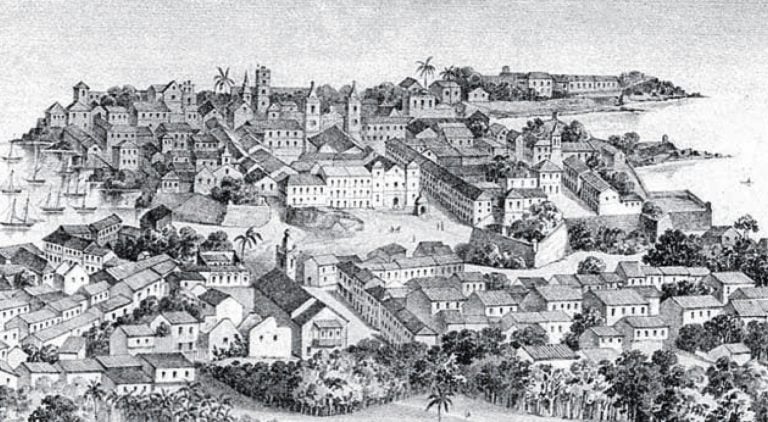
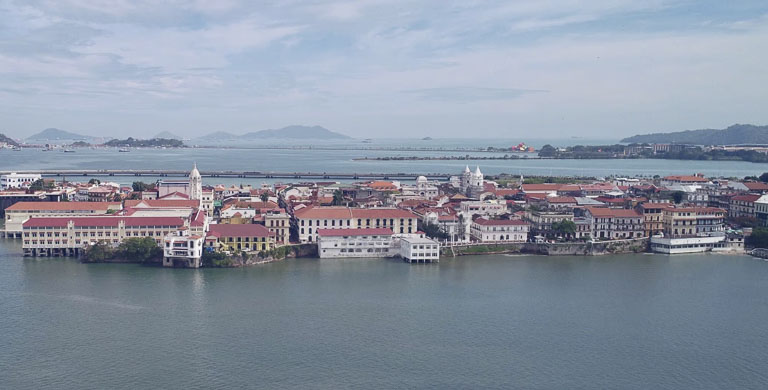
Within Panama City, Casco Viejo is one of the easiest bases because it is designed for walking and discovery. It is compact, layered, and full of small moments that do not require transport. It also places you in a part of Panama that feels historic and personal, not generic. If your goal is to understand Panama beyond brochures, this matters.
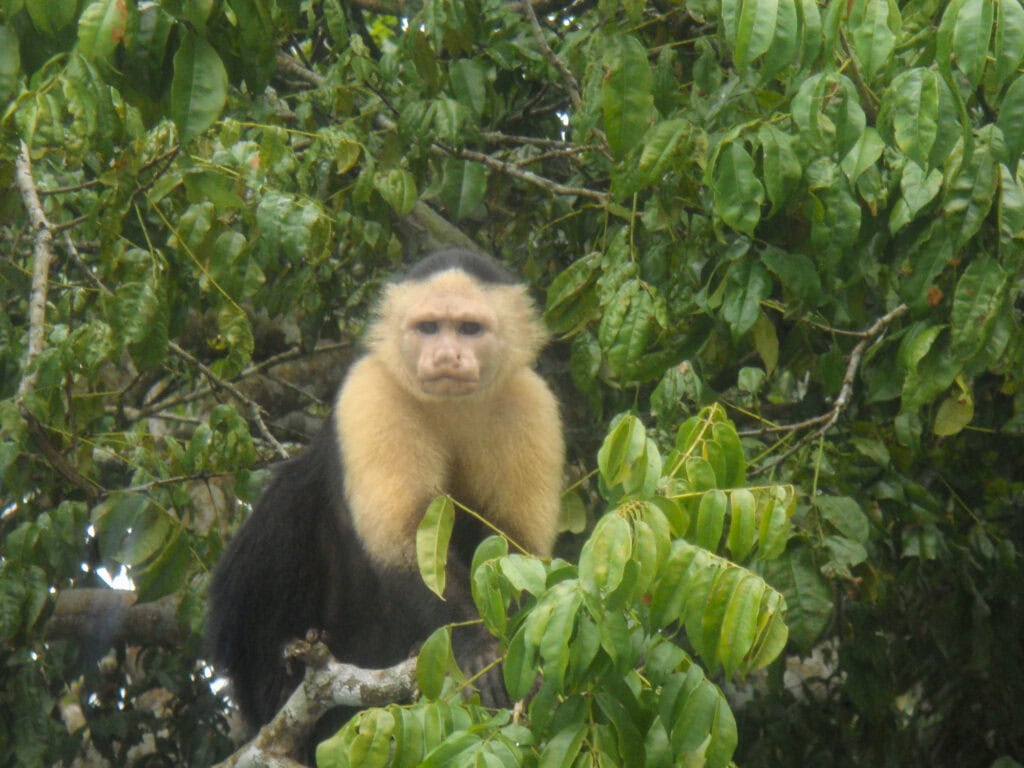
The city is also a strong base for day trips because you can explore and return to the same room. That sounds minor until you do it. A day that includes the Miraflores Locks, a rainforest outing near Gamboa, or a Monkey Boat experience becomes easy when you are not also packing, checking out, and moving your luggage. Using the city as a base is one of the most practical ways to keep your holiday calm while still seeing a lot.
Choosing Where to Stay in Panama for a Resort-Focused Trip
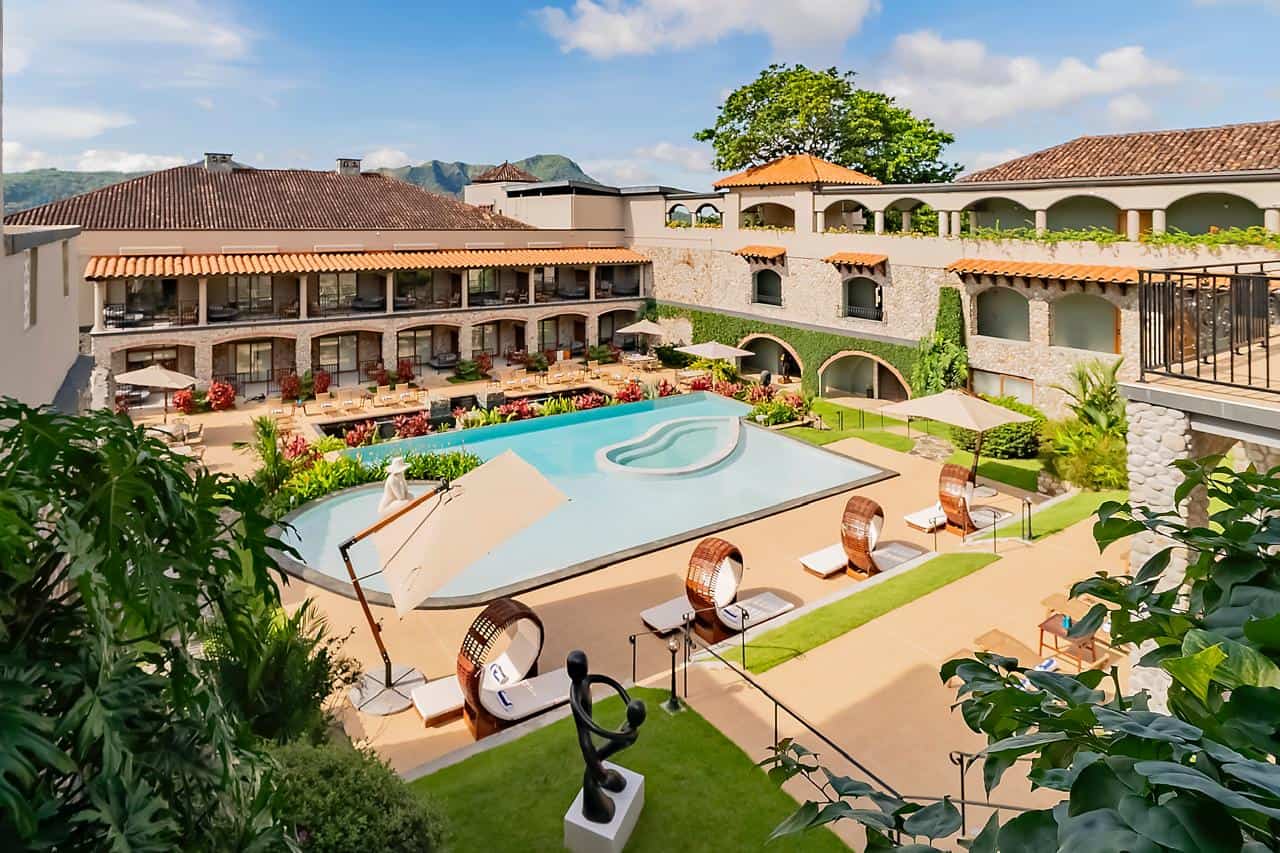
A resort base makes sense when your priority is rest, containment, and tropical immersion. Some travelers want fewer decisions and a more controlled environment. They want the water, the palms, and the feeling of being “away” without having to solve the city each day. That is not a lesser choice. It is simply a different goal.
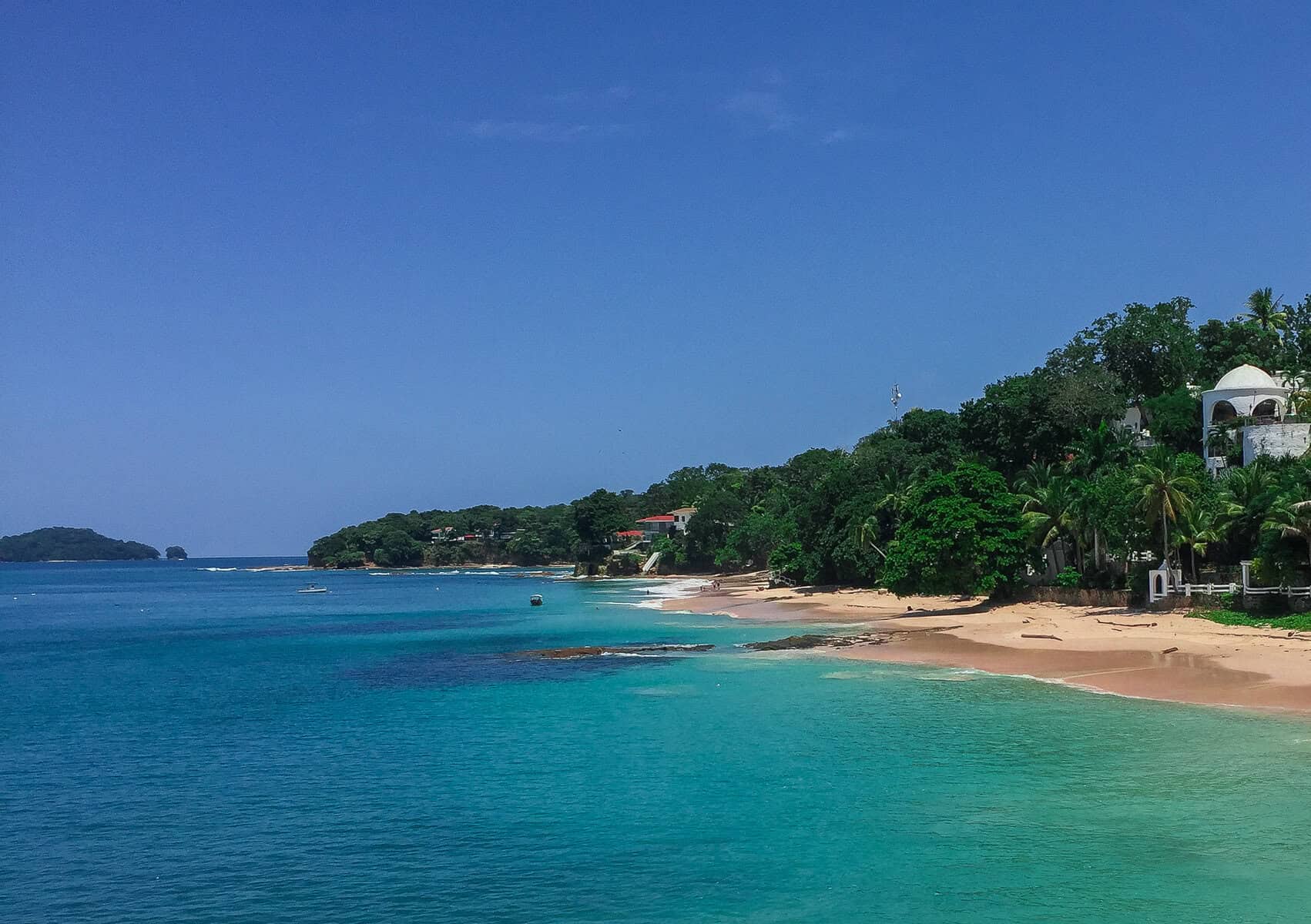
The Playa Bonita area delivers a strong tropical atmosphere close to Panama City. You wake up to ocean air and the visual language of a beach holiday. That environment does something psychologically important. It slows the pace, reduces friction, and creates space for people who arrive tired, overstimulated, or simply needing a reset. For families, conferences, and decompression trips, that can be exactly the right base.
Resorts also work well as part of a sequence. After a few days in a tropical setting, returning to the city makes Panama feel sharper and more interesting. Dining feels more intentional, shopping feels more alive, and culture feels more present. This is one reason the “either/or” debate is not the best way to frame Panama. Choosing where to stay in Panama often works best when you treat it as a rhythm.
Choosing Where to Stay in Panama: Why a Split Stay Often Works Best
Most travelers want two experiences, even if they do not say it that way. They want the culture and movement of the city, and they also want the calm and immersion of the coast. A split stay solves that problem without forcing you into constant transit. You get contrast without chaos.
There are two clean ways to do it. Some travelers start in the city, explore, do day trips, and then finish at the beach to rest. Others start at the beach to recover from travel, then move into the city for food, rooftops, history, and shopping. Both work. The key is giving each base enough time to feel like a chapter, not a quick stop.
The real payoff is the mindset shift. After tropical calm, the city does not feel stressful. It feels alive. You notice restaurants more. You notice design, rhythm, and energy more. That contrast often reveals what Panama really is, which is not just a beach destination and not just a city break. It is a country where both experiences sit close enough to combine in one trip.
How Long to Stay When Choosing Where to Stay in Panama
For three nights four days, one base is usually best, and Panama City often wins because it gives you range without forcing moves. You can explore Casco Viejo, eat well, see canal viewpoints, and still have time to slow down. Many visitors underestimate how complete Panama can feel in a short stay when the base is right.
For five to seven nights, adding contrast becomes realistic. A city stay paired with a nearby resort gives you two moods without turning your week into logistics. This is the sweet spot for visitors who want to feel they experienced Panama while still returning home rested.
For eight to ten nights, a proper split stay becomes the best answer. You can give each base enough time, avoid rushed transfers, and still keep days spacious. The biggest mistake people make at this length is moving too often. In Panama, an “hour away” is a Panamanian hour, which can easily stretch to two or three, and that is not a flaw, it is simply how life works here. Locals do not experience this as a problem because the pace is built into the culture. Planning fewer bases and staying longer in each makes choosing where to stay in Panama feel natural rather than forced.

When Your Trip Is Longer Than 10 Days: Adding a Third Experience
Once a trip passes ten days, many travelers benefit from a third rhythm, but it should be only one additional experience, not a full expansion of the itinerary. At this point, the goal is not “more places.” The goal is a different kind of pause. Two nights is usually perfect. It adds depth without adding fatigue.
At this stage of a trip, the smartest additions are not about distance. They are about contrast. A third experience should feel clearly different from both the city and the beach, while remaining easy to reach and simple to absorb.
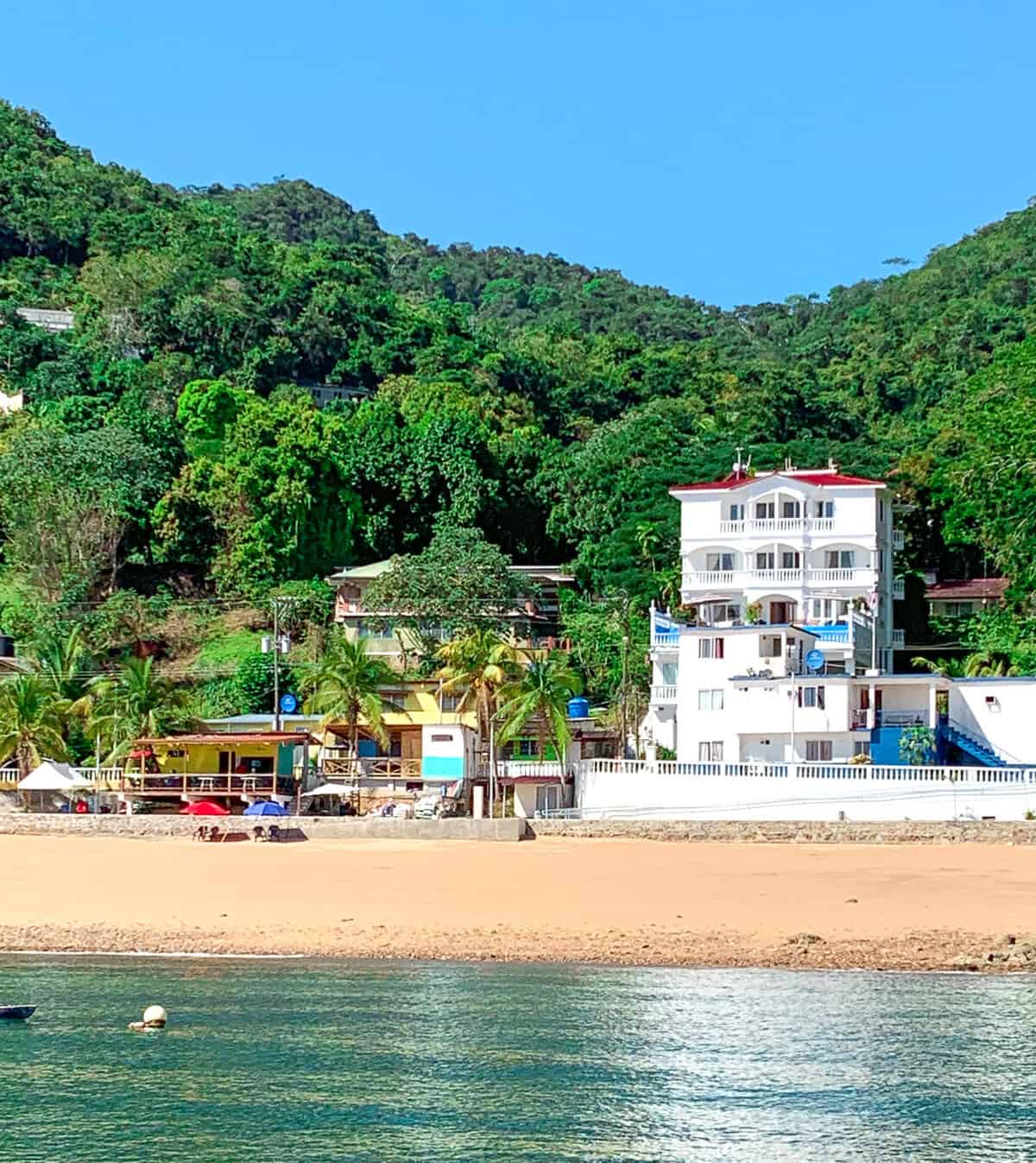
A Quieter Coastal Reset: Contadora Island
Contadora Island is one of the cleanest choices for a third experience because it creates an immediate shift in state of mind. I have stayed on the island several times, and each time the effect is the same. The moment Contadora enters the conversation, there is a sense of calm that follows. It is not anticipation. It is recognition. You know exactly what kind of place it is before you arrive.This is not a Caribbean island, and that distinction matters. Contadora sits firmly in the Pacific, with a quieter energy and a more introspective pace. It does not perform for visitors. It simply exists, and that is where its appeal begins,
A Private Island With Deep Panamanian Roots
For decades, Contadora has been a hideaway for Panama’s most affluent families. Rather than hotels dominating the landscape, the island is defined by private compounds and long-held residences. This is a place where families return generation after generation, not a destination built to attract attention.
Its history reflects that discretion. Christian Dior once maintained a compound here, drawn by the island’s privacy and isolation. The island also served as a refuge for the Shah of Iran after his deposition, chosen not for luxury alone, but for its security, remoteness, and quiet control. Those choices shaped the character of the island, and that character remains intact today.
Because of this social fabric, Contadora is virtually crime free. This is not an island that attracts opportunistic behavior. It is not anonymous. Everyone understands where they are, and that understanding creates an unspoken sense of order and safety.
Life On The Island: Scale, Beaches, And Rhythm
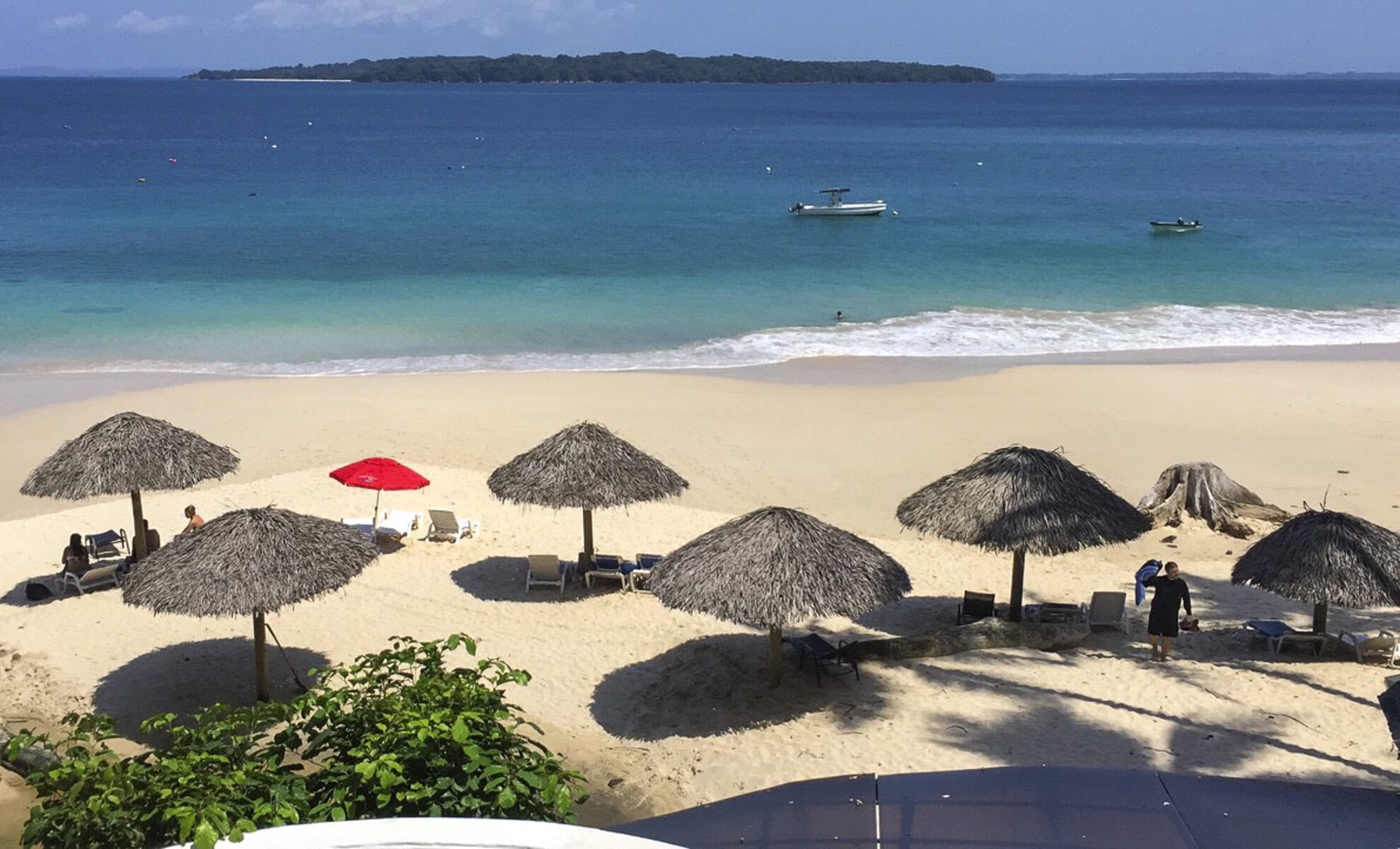
THE ISLAND is small enough to walk around in roughly an hour, which gives it a compact, human rhythm. There is no pressure to plan your day. You move with the sun. One beach in the morning, another in the afternoon, without crowds or complication.
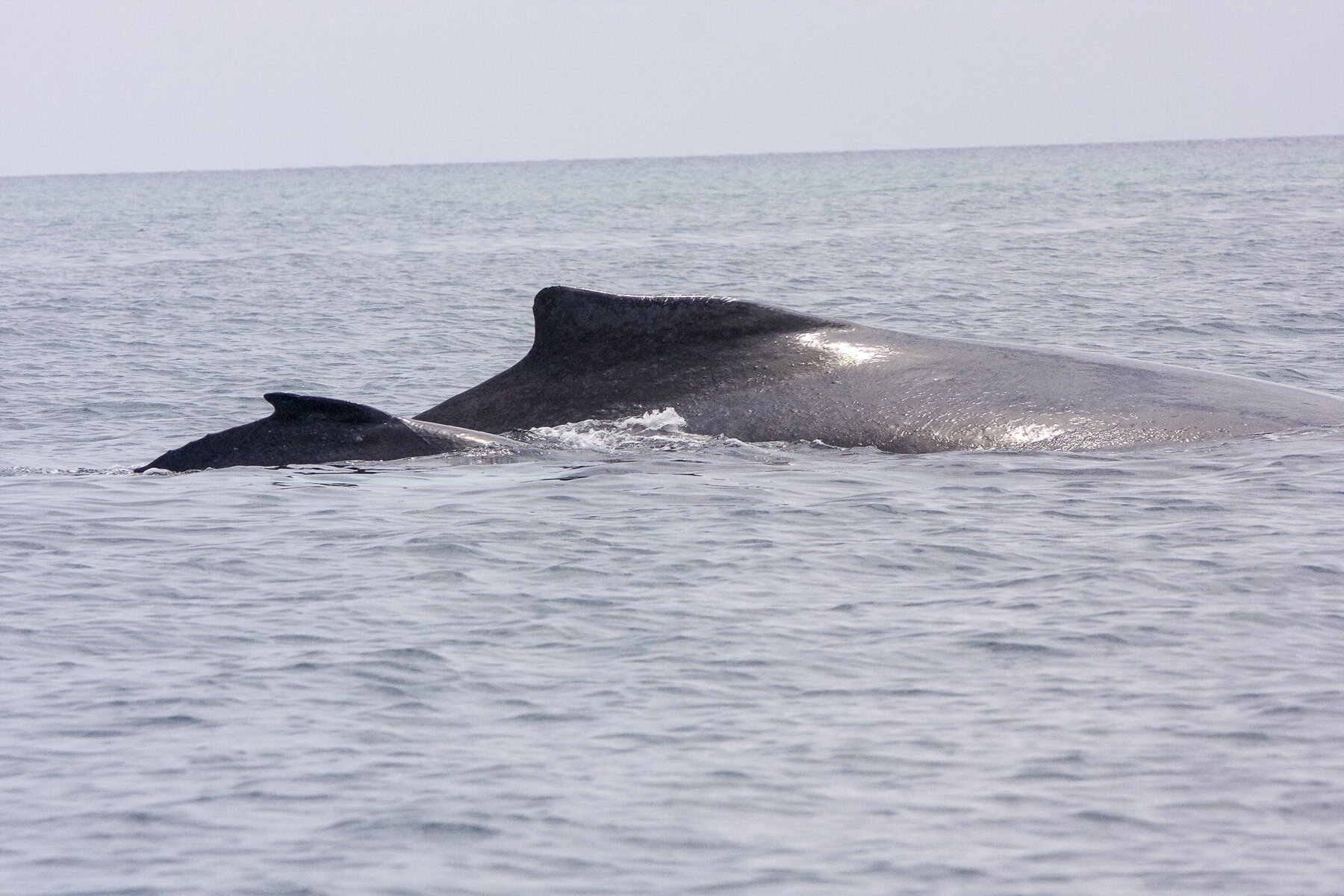
There are several beaches, each with its own personality. Part of the pleasure is simply relocating your towel rather than your schedule. The water is clear and calm, making snorkeling easy and unforced. During whale season, the experience becomes something else entirely, often feeling cinematic in a way that surprises even seasoned travelers.
Boat access from Panama City takes roughly ninety minutes, though it is important to understand that this is a Panamanian hour, not a Swiss one. Timing here bends naturally, and locals accept that without stress. For those with the resources, flights back to the city are available and can be surprisingly reasonable, adding flexibility to departure days.
How Long To Stay And Why It Works
Three nights is a sensible minimum if the goal is real rest. Two nights can feel rushed, especially if you arrive carrying the momentum of a long trip. With three nights, the island does what it does best. Your nervous system slows down. Your sense of urgency fades. Even attending a wedding here, which I have done, feels different. The setting softens the event rather than amplifying it.
You would never overstay on Contadora. That is part of its brilliance. It gives you exactly what you need, and then gently lets you go. But while you are there, you are fully present. You are not “on an excursion.” You are on an island in the Pacific, and everything else becomes background noise.
A Cooler Mountain Pause: El Valle de Antón
El Valle de Antón offers a different reset entirely. It is cooler, greener, and calmer, with a fine mist that many people associate with wine country. Hiking feels comfortable because the climate does the work for you, and the pace slows naturally without effort.
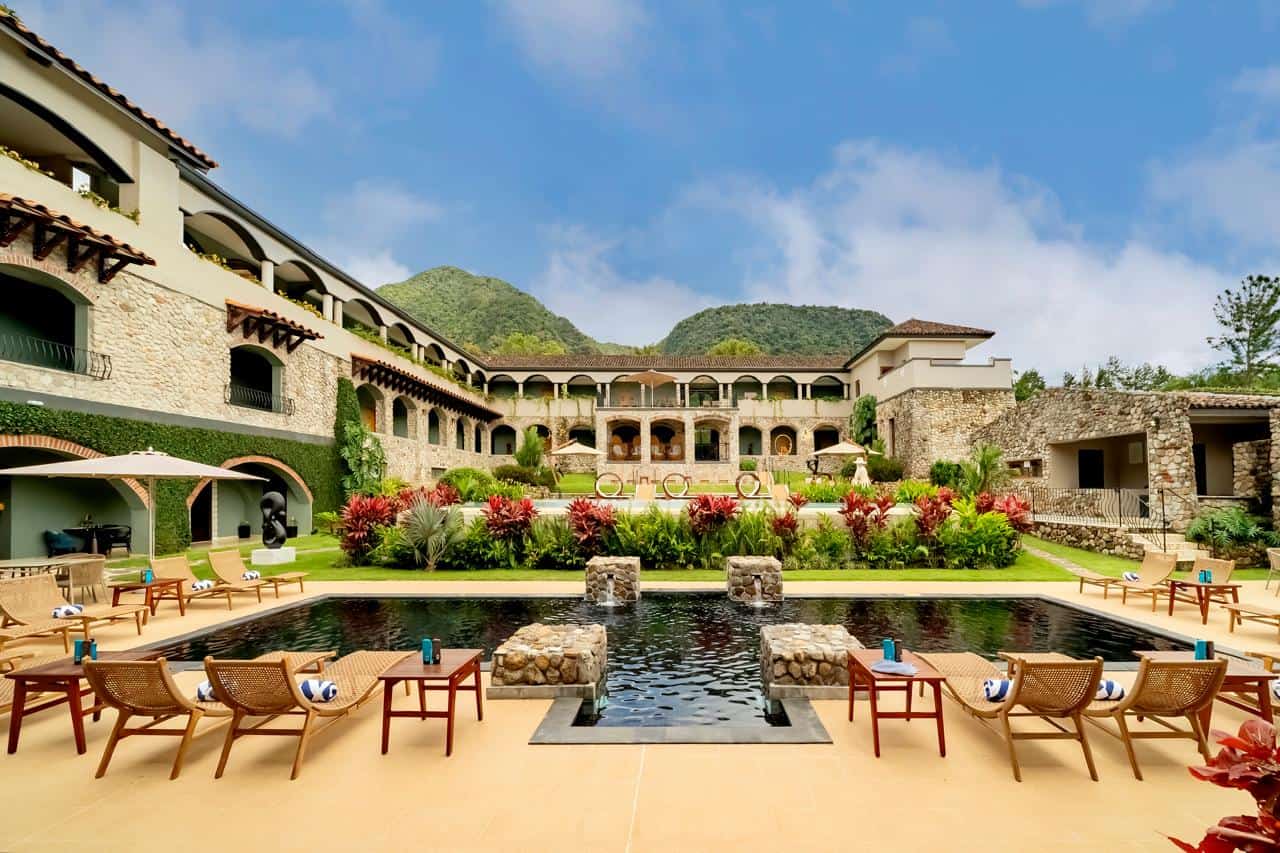
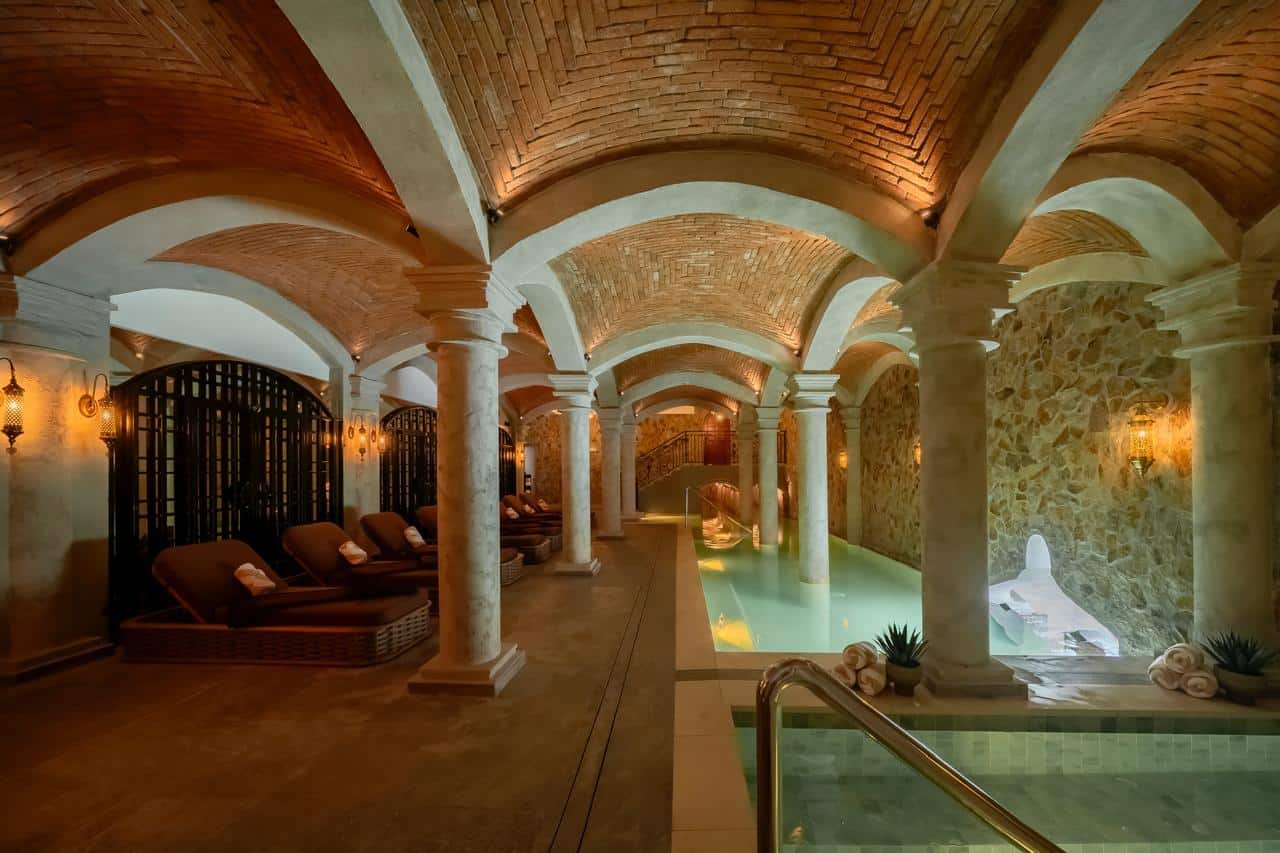
El Valle also has a hotel and spa experience that is genuinely next level and rising fast. It is connected to the Hotel La Compañía brand and delivers a level of quality that surprises travelers who think Panama is only about beaches and city life.
Boquete and Bocas del Toro are excellent destinations, but they often require flights and tighter logistics. Late in a long trip, that added complexity can feel disruptive, especially for travelers who came to rest.
This is why the smartest long-stay planning usually adds one nearby reset instead of chasing distance. Less movement preserves the calm you worked to build earlier in the trip.
Common Mistakes People Make When Choosing Where to Stay in Panama
The most common mistake is over-moving. People try to turn Panama into a multi-stop race, and the trip becomes about transfers, not experiences. Another mistake is staying too far from the areas they actually want to explore, which forces daily transport and drains the week. The third mistake is treating Panama as one-note, either “city only” or “beach only,” when the country is built around contrast.
Ignoring weather and rhythm is another quiet mistake. Panama rewards pacing. It rewards mornings that are not rushed and evenings that are not overbooked. If you plan like a human, Panama feels easy. If you plan like a machine, it can feel harder than it needs to.
A Simple Way to Decide When Choosing Where to Stay in Panama
If you want culture, food, walkability, and day trips without repacking, start with Panama City. If you want tropical immersion with fewer decisions, start with the coast. If you want both, choose a split stay and give each base enough time. Most travelers do not regret that approach.
Ask yourself what you want your days to feel like. Ask yourself how much movement you enjoy. Then choose the base that supports that answer. Choosing where to stay in Panama is easiest when you stop trying to copy someone else’s itinerary.
Choosing Responsible Tour Operators in Panama
When booking excursions outside Casco Viejo, it is worth taking a moment to confirm that the company you choose operates professionally. In Panama, serious tourism businesses generally register with the Autoridad de Turismo de Panamá (ATP), and responsible operators typically carry insurance and explain their safety procedures clearly before taking payment.
Boat trips, island excursions, snorkeling tours, and jungle experiences all carry some level of risk. A waiver may acknowledge those risks, but it does not replace proper insurance or professional standards.
Quick Checklist Before You Book
- ✓ Is the company registered with ATP?
- ✓ Do they carry public liability insurance?
- ✓ Are trip details explained before payment?
- ✓ Is proper safety equipment provided such as life jackets or snorkeling gear?
- ✓ Are waivers presented before the activity begins?
A simple question usually tells you everything: “Is your tour insured and registered with ATP?” Professional operators answer confidently.
Quick Facts: Choosing Where to Stay in Panama
- Best base for first-time visitors: Panama City
- Best base for beach-only relaxation: Resorts near Panama City
- Best option for 7–10 day trips: Split stay (city + beach)
- Best add-on for trips over 10 days: One additional nature reset, not two
- Travel times: Panama City to nearby resorts is under one hour
- Travel times: Panama City to Contadora Island is about 1.5 hours by boat
- Travel times: Panama City to El Valle is about two hours by car
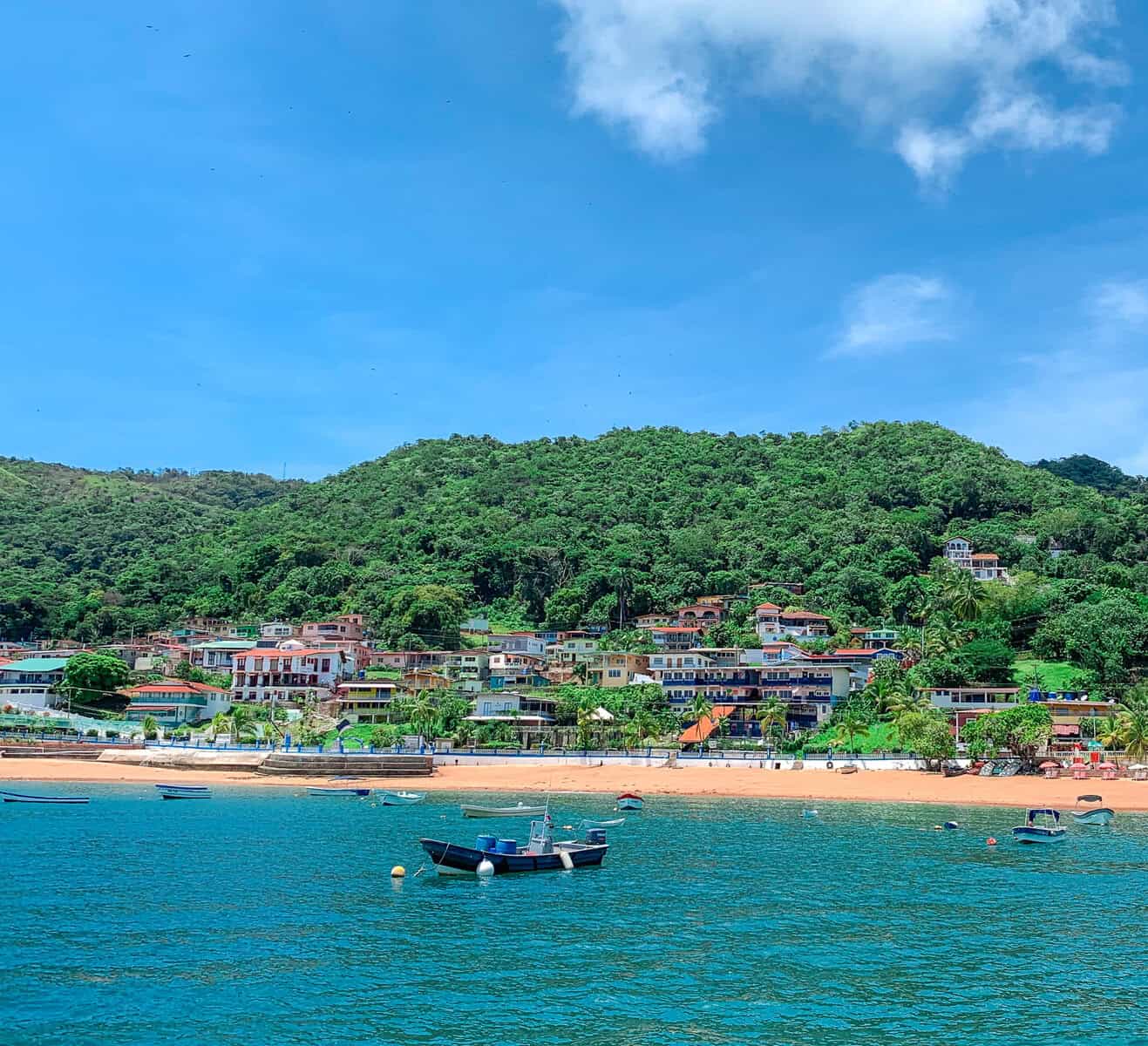
- Travel times: Panama City to Taboga Island is about two hours by car
- Safety: Panama is considered one of the safer destinations in Central America for visitors
- Crowding: Panama feels noticeably less crowded than the U.S. and much of Europe

Frequently Asked Questions: Choosing Where to Stay in Panama
Yes. It offers dining, history, walkability, and easy day trips, which makes the trip feel complete.
It depends on your goal. City stays prioritize culture, while resorts prioritize rest. Many travelers choose both.
Three to five nights works well for most visitors, especially with one or two day trips.
Yes. Visitor areas are generally safe, especially with normal travel awareness and smart planning.
No. Panama’s advantage is that it feels less crowded, which makes the holiday feel more personal.
Final Thoughts on Choosing Where to Stay in Panama
Panama’s real advantage is not that it is already trendy, but that it is beginning to trend without losing itself. Social media attention is growing, and influencers are starting to arrive in search of those unmistakable travel images, but Panama is still ahead of the curve. Over the next twelve to eighteen months, it will become noticeably more popular, and right now sits in that rare window before momentum turns into saturation.
Another quiet advantage is scale. Panama is not yet overrun by large conventions or mass tourism. The country has only recently found its footing in tourism as a whole. While a convention center exists and hotels are preparing for that future, the present moment offers something better: space, rhythm, and ease. This is the right time to come, to move at the pace Panama currently offers, and to experience the country before crowds begin shaping the experience.
If you want the broadest first impression of the country, start in Panama City and spend time in Casco Viejo. If you want to exhale, add a coastal reset. If you have two weeks, consider one additional pause, either Contadora or El Valle, and keep the rest simple. That is how Panama remains a vacation, not a project, and why now is the moment to experience it.
Thanks for reading. This guide is designed to help you choose the right base for your Panama trip — not just where to sleep, but how you want your days to unfold, how much you want to move, and what kind of experience you want to come home with.
- 🍽️ Explore Panama’s culinary side through the lens of consistency and craft in this Casco Viejo chef story — a look at the discipline and quiet leadership that shape great kitchens.
- 🌍 Start planning your stay with CascoViejo360.com — a curated guide to where to stay, eat, and explore in Casco Viejo and beyond.
- 🏨 Narrow your search with our guide to the best hotels in Casco Viejo — including how to choose the right property based on travel style and expectations.
Want to experience Panama like a local? Reach out — we’re happy to help you think through where to stay, how to move, and what’s happening across the neighborhood.
Out and about with James.
Explore Casco Viejo
On Your Own Time
This self guided walking tour is designed to last up to four hours, but you set the pace. Do it in one relaxed half day, or break it into a few stops between coffee, meals, and photos.
- No groups, no schedules
- Start anywhere, stop anywhere
- Works on phone or desktop
In the Heart of Panama City
Ready to look past the historic streets? Explore the neighborhoods, coastlines, and experiences that expand your Panama trip beyond Casco.
Explore the CityBest Panama Getaways
From mountain escapes to island retreats, these short getaways show how easily Panama opens up once you choose the right base.
View GetawaysWhale Watching in Panama
Experience one of Panama’s most unforgettable natural moments—humpback whales passing near Contadora Island each season.
Discover Whales