
The 40-Acre City: Why Casco Viejo, Panama May Be the Most Interesting Small District in the Americas
Cities today compete on scale. Bigger skylines. Larger attractions. Entertainment districts promising more restaurants, more shopping, and more spectacle. Casco Viejo, Panama, also known as San Felipe, quietly does the opposite.
The entire historic district occupies a narrow peninsula measuring roughly forty acres, surrounded by water on three sides. Within that modest footprint sits one of the most fascinating concentrations of architecture, culture, food, and history anywhere in the Americas.
Travelers arriving in Casco Viejo, Panama, often expect a quick historic stop before continuing their journey. Many stay longer than planned.
The reason becomes clear within minutes of arriving.
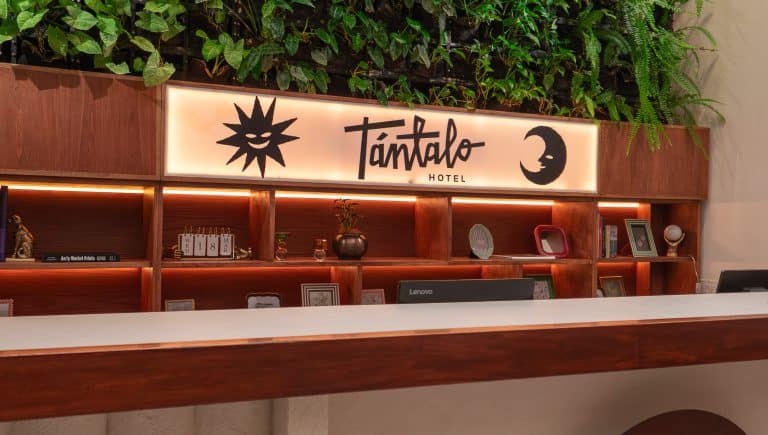
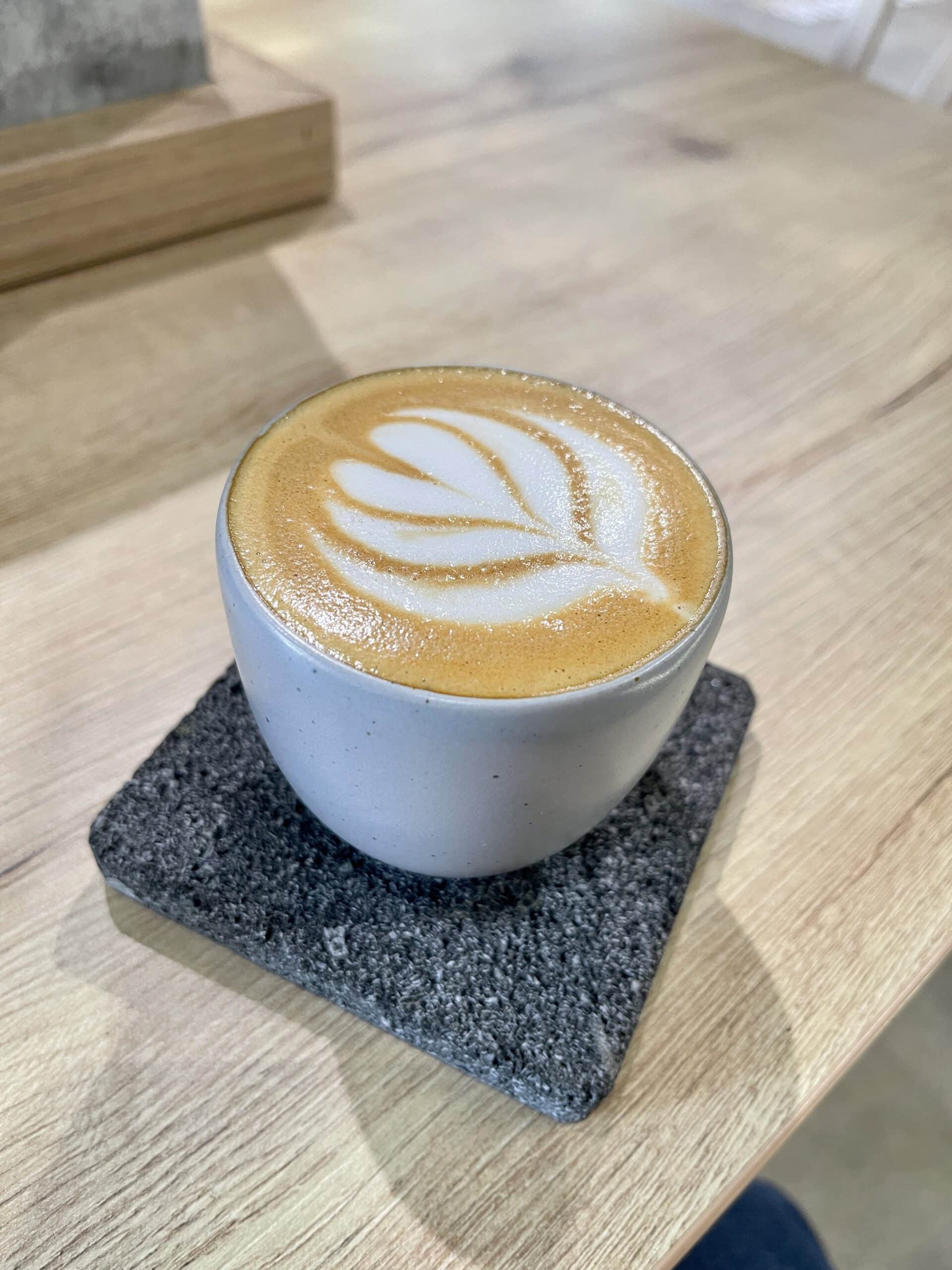
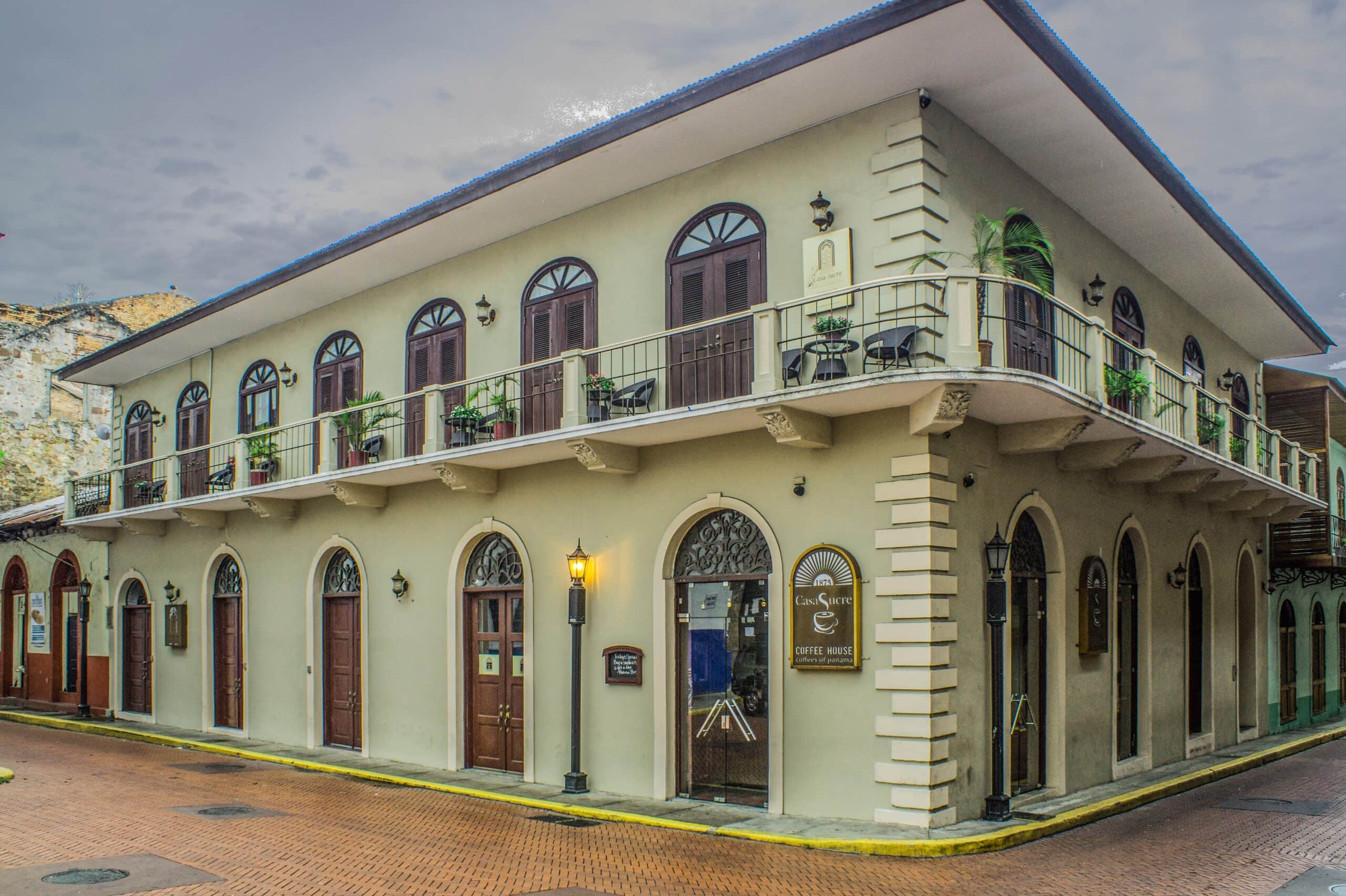
You might begin the morning in a restored colonial mansion turned boutique hotel. Two blocks away, a café serves coffee grown in Panama’s mountain highlands. Continue walking, and you pass a seventeenth-century church, a quiet plaza shaded by trees, and a narrow street leading toward the ocean. Along the way, you begin to understand just how much there is to explore, from restaurants in Casco Viejo to small cultural spaces and local experiences that unfold naturally as you move through the neighborhood.

Later in the evening, the Pacific glows orange and purple at sunset while rooftop terraces begin to fill with conversation and music.
Everything unfolds within a district small enough to explore entirely on foot.
In an era where destinations chase scale, Casco Viejo, Panama, proves something quietly powerful. Authentic places rarely need to be large.
Sometimes the most interesting districts in the world fit comfortably within forty acres.
Casco Viejo Panama History: A City Rebuilt After Pirates and Fire
The story of Casco Viejo, Panama, begins with one of the most dramatic episodes in colonial history.
In 1671, the pirate Henry Morgan attacked and destroyed the original Panama City, located several miles away at what is now known as Panamá Viejo. Spanish authorities quickly recognized that the rebuilt capital required stronger defenses against future attacks.
Their solution was geography.
A narrow peninsula surrounded by water offered natural protection. Construction of a fortified city began there in 1673. Thick sea walls protected the settlement while narrow streets and plazas organized civic life within the peninsula.
Casco Viejo, Panama, soon became the political and commercial center of Spanish power in the Pacific.
Merchants traded goods arriving from Europe, South America, and Asia. Churches rose across the district while government buildings reinforced the city’s role as an administrative capital.
Remarkably, much of that early structure still survives today.
Walking through Casco Viejo, Panama, visitors pass churches that have watched over the neighborhood for more than three centuries. Colonial homes with thick stone walls line streets once traveled by merchants, soldiers, and clergy, many of which are now part of the district’s evolving history of Casco Viejo Panama.
This remarkable preservation of history eventually earned Casco Viejo recognition as a UNESCO World Heritage Site.
Yet history alone does not explain the energy visitors feel here today.


Three Transformations That Shaped Casco Viejo Panamá
Casco Viejo, Panama, has lived several distinct lives, each leaving its mark on the neighborhood travelers experience today.
The first life was the Spanish colonial era. During this period, the district functioned as a fortified administrative capital controlling trade routes across the Americas.
The second transformation arrived during the construction of the Panama Canal in the early twentieth century, a period that reshaped Panama’s global importance. Engineers, diplomats, and merchants from around the world moved through Panama City, bringing architectural and cultural influences with them.
Buildings expanded upward. Balconies appeared along narrow streets. Decorative ironwork and colorful facades introduced Caribbean and European character to the colonial foundations.
The third life of Casco Viejo, Panama, began during the restoration movement of the late twentieth century. For decades, the district had fallen into decline. Many historic structures deteriorated, and much of the neighborhood lost its prominence. Gradually, restoration efforts returned life to the streets.
Historic mansions became boutique hotels. Restaurants opened along quiet plazas. Cultural institutions returned to restored buildings. What emerged was not a museum district frozen in time. Casco Viejo Panama became a living neighborhood where centuries of architecture coexist with modern urban life.


Walking Casco Viejo Panama: Forty Acres Packed With Life
Many historic districts around the world eventually become stage sets. The buildings remain beautiful but everyday life disappears.
Casco Viejo, Panama, avoided that fate.
People live here.
Residents walk dogs through plazas at sunrise. Children ride bicycles through narrow streets during the early evening. Neighbors greet one another from balconies overlooking quiet lanes, all within the everyday rhythm of Casco Viejo,Panama.
This residential presence gives the district something visitors quickly appreciate: authenticity and a natural sense of safety.
Within the same forty acres travelers encounter boutique hotels inside restored mansions, rooftop bars overlooking the Pacific Ocean, and cafés serving carefully prepared specialty coffee.
Chocolate makers craft small batches from Panamanian cacao. Restaurants experiment with modern interpretations of local cuisine, part of the wider range of things to do in Casco Viejo Panama. Museums and cultural spaces explain Panama’s role as the historic crossroads of the Americas.
All of this exists within walking distance.
Exploring Casco Viejo, Panama, rarely requires transportation. The district encourages wandering slowly, turning corners without a plan, and discovering something unexpected in the next plaza. For those who prefer a bit of structure without losing that freedom, a self-guided walking tour of Casco Viejo offers a clear way to navigate the district while still moving at your own pace.
The scale changes how visitors experience the city.
Instead of navigating a vast urban landscape, travelers move through a compact neighborhood where history, culture, and everyday life unfold within a few remarkable streets.


Things To Do in Casco Viejo, Panama (All Within Forty Acres)
Casco Viejo, Panama, is not about ticking boxes. It’s about proximity. Within a few minutes’ walk, the entire district begins to unfold.
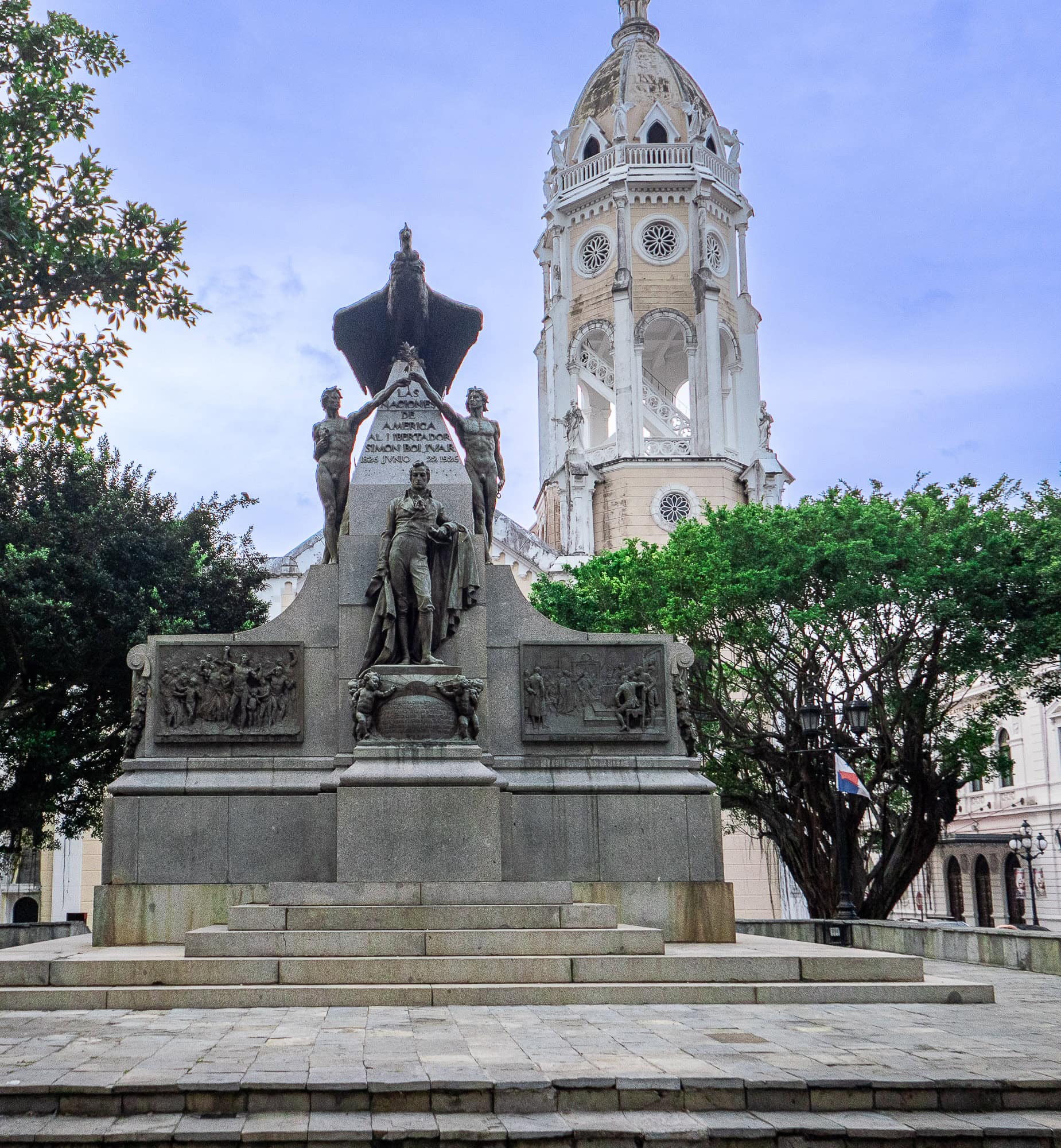
Start with the churches. The Metropolitan Cathedral, along with the other historic churches of Casco Viejo, anchors the district’s historic core. These are not museum pieces—they are still part of daily life.
Museums add another layer. The Museo del Canal explains Panama’s global role, while smaller cultural spaces reveal the country’s indigenous and artistic heritage.
Then there is the simple act of walking. Turn a corner, and you find a plaza, a café, or a view out toward the Pacific. Rooftop bars offer a completely different perspective, especially at sunset when the skyline and ocean begin to merge.
Coffee, chocolate, architecture, and conversation all exist within a few streets.
That is the experience. Not one attraction but many, tightly woven together.
Architecture in Casco Viejo Panama: A Crossroads of Cultures
Architecture in Casco Viejo, Panama, reveals the layers of history that shaped the district.
The oldest buildings follow traditional Spanish colonial design. Thick masonry walls protect interior courtyards from tropical heat while wooden balconies overlook narrow streets designed centuries before automobiles.
Later buildings display the influence of Caribbean builders and French engineers who arrived during canal construction. Decorative ironwork, bright facades, and wider verandas added texture and color to the historic streetscape.
Government structures introduce another architectural language. Neoclassical facades reflect European influence while restored mansions now house boutique hotels, galleries, and restaurants.
Walking through Casco Viejo, Panama, becomes a lesson in how geography, commerce, and migration shaped one of the most important crossroads in the Americas.
Every building tells a story.


Coffee, Chocolate, and the Culinary Revival of Casco Viejo Panamá
Casco Viejo, Panama, has quietly become one of the most interesting culinary neighborhoods in Panama City.
Morning often begins with coffee prepared from beans grown in the highlands of Boquete. Baristas treat coffee with the same respect winemakers give to grapes.
Later visitors may discover chocolate shops producing small-batch bars using Panamanian cacao. Tasting flights reveal the complexity of chocolate grown in different regions of the country.
Restaurants throughout the district are experimenting with new interpretations of Panamanian cuisine while incorporating global influences.
In the afternoon, shaded benches in the plazas invite visitors to sit and watch the rhythm of the neighborhood.
These small rituals, coffee, chocolate, conversation, and people watching are part of what gives Casco Viejo, Panama, its distinctive atmosphere.
Travel here unfolds slowly.
Where To Stay in Casco Viejo, Panama
Where you stay in Casco Viejo Panama changes how you experience it.
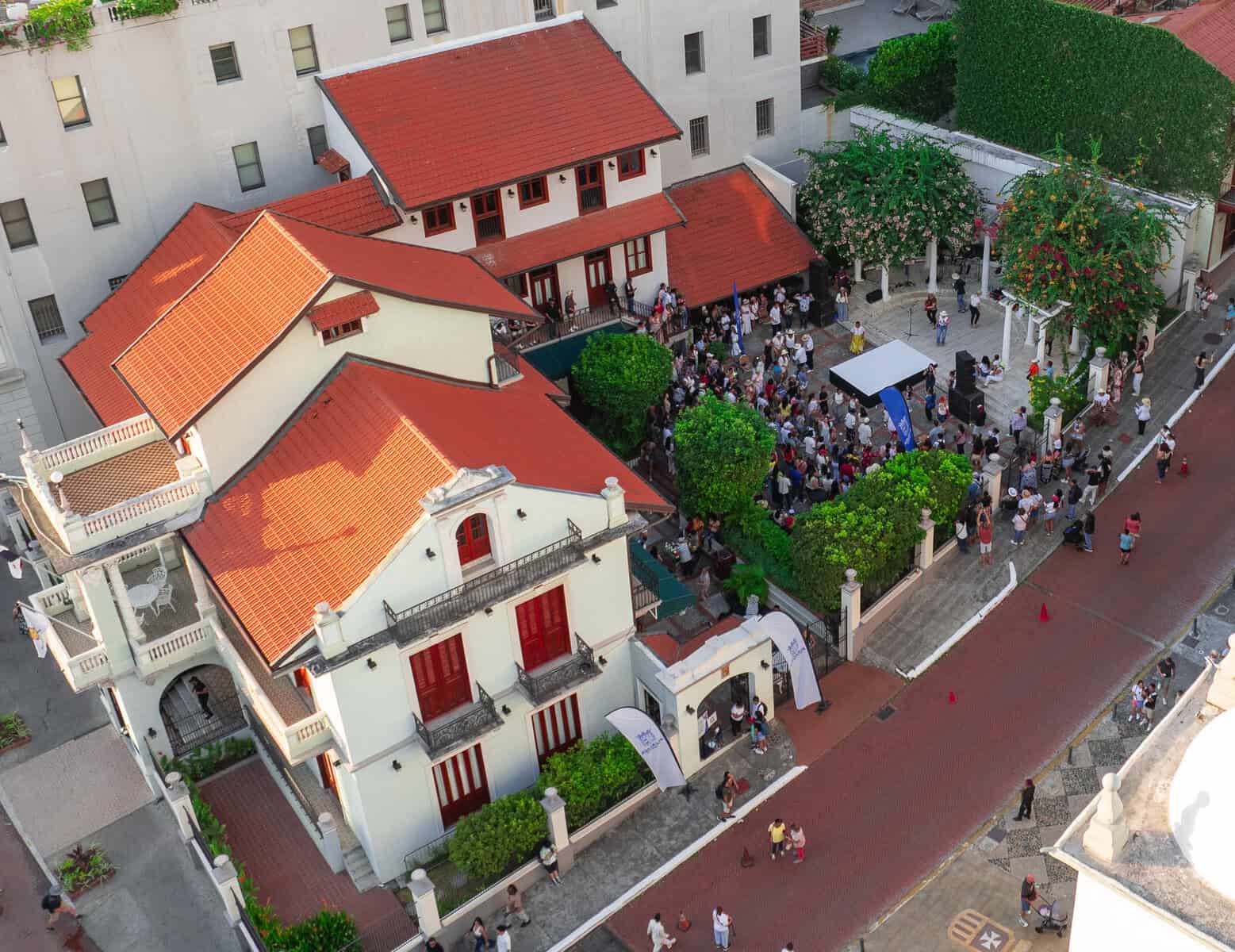
Boutique hotels occupy restored colonial mansions, often with fewer than fifty rooms. Many are built around courtyards, with rooftop terraces that overlook the ocean or the historic skyline.
Staying inside the district means everything is within walking distance. Morning coffee, evening dining, and late-night strolls all happen without needing transportation.
Larger hotels exist outside Casco, but they cannot replicate the atmosphere of waking up inside a UNESCO-listed neighborhood.
For travelers who value experience over scale, Casco Viejo is not just somewhere to visit.
It is where you want to stay.


Casco Viejo Panama as the Perfect Home Base for Exploring the Country
Many travelers discover that Casco Viejo, Panama, is more than a destination.
It becomes their base.
From this small peninsula, visitors can organize excursions across the country. The Panama Canal lies a short drive away. Rainforest parks offer wildlife encounters just beyond the city.
Early morning trips to the Caribbean side for Boat trips toward the San Blas Islands, where turquoise water meets white sand beaches. Whale watching takes place along the Pacific coast during migration season.
The coffee highlands of Boquete and the beaches of Panama’s Pacific Riviera remain easily accessible.
During the day, travelers explore the wider country.
In the evening, they return to Casco Viejo, Panama, where restaurants, cafés, and ocean views remain within walking distance.
This balance of adventure and atmosphere explains why so many visitors choose to stay here.
Is Casco Viejo, Panama, safe?
It is a fair question and an important one.
Casco Viejo, Panama, is one of the most walkable and actively managed districts in the country. It is a residential neighborhood with a visible police presence and a steady flow of visitors throughout the day and evening.
Like any urban environment, awareness matters. Stay within the historic district, use common sense at night, and rely on established businesses and operators.
What visitors quickly notice is the balance: a neighborhood that feels lived-in, not staged, with a natural rhythm that creates both energy and comfort.
Best Time To Visit Casco Viejo, Panama
Casco Viejo, Panama, works year-round.
The dry season (roughly December through April) brings blue skies and consistent sunshine. It is the busiest period, particularly around holidays and major events.
The green season introduces occasional rain, usually in short bursts. The benefit is a quieter atmosphere, softer light, and a more local pace.
Early mornings and late afternoons are when the district is at its best. The light changes, temperatures ease, and the streets take on a different character.
Rain or shine, the experience continues.
Getting To Casco Viejo Panama, and Moving Around
Casco Viejo, Panama, is approximately twenty to twenty-five minutes from Tocumen International Airport, depending on traffic.
Most visitors arrive by Uber or hotel transfer. Once inside the district, transportation becomes unnecessary.
The entire neighborhood is designed for walking.
Streets are compact, distances are short, and the experience is built around moving slowly. This is not a place to rush.
It is a place to explore.
Choosing Responsible Tour Operators in Panama
Panama offers exceptional tour experiences, but standards are not equal. That matters.
Before booking, check if the operator is registered with the ATP (Autoridad de Turismo de Panamá)—the government body that regulates tourism providers. ATP registration signals that the operator meets basic legal and operational requirements.
Then go one step further. Ask if they carry liability insurance and who is responsible for safety, transport, and logistics throughout the experience. If answers are vague, move on.
Ask directly:
- Are you ATP-registered?
- Are you insured?
- What exactly is included?
- Who is accountable on the day?
This becomes critical in places like islands, jungle tours, or remote areas where conditions can change quickly.
A great destination can be undermined by poor execution. Choose operators who are licensed, insured, and clear in how they operate.
That’s not being cautious—that’s being smart.
Fast Facts About Casco Viejo, Panama
- Founded: 1673
- District Size: Approximately 40 acres
- UNESCO Status: World Heritage Site
- Location: Historic peninsula within Panama City
- Known For: Colonial rooftop views, plazas, restaurants, museums
- Walkability: Entire district easily explored on foot
- Nearby Excursions: Panama Canal, rainforest parks, Pacific beaches
Questions and Answers About Visiting Casco Viejo, Panama
Yes. Casco Viejo, Panama, is one of the safest and most walkable districts in Panama City. The neighborhood has a strong residential presence and an active tourism environment. Hotels, restaurants, and cultural institutions operate throughout the day and evening. Visitors often comment that the area feels comfortable and lively well into the night.
The historic district covers roughly forty acres, which makes it one of the most compact UNESCO districts in the Americas. That small footprint is part of its magic. You can walk the entire neighborhood easily without needing taxis or transportation.
Not at all, Casco Viejo, Panama, welcomes a wide range of travelers. Boutique hotels and luxury properties sit alongside cafés, casual restaurants, museums, and public plazas that anyone can enjoy. Budget travelers can explore the district comfortably with little more than a good pair of walking shoes and a camera.
Yes. Families enjoy the open plazas, museums, and pedestrian-friendly streets. Ice cream shops, chocolate boutiques, and waterfront walks keep younger travelers entertained while adults appreciate the history and architecture.
Most travelers spend two to three nights in the district. That allows time to explore the historic streets, enjoy the restaurants and cafés, and take at least one day trip outside the city. Many visitors end up extending their stay.
Location and atmosphere. The district offers one of the most distinctive environments in Panama City. Visitors wake up surrounded by colonial architecture, ocean views, and lively plazas. At the same time, the neighborhood sits only minutes from the modern financial district.
Yes, and that is one of the great pleasures of the district. The narrow streets, plazas, cafés, churches, museums, and rooftop terraces are all within easy walking distance. Many visitors simply wander without a fixed plan and discover their favorite places by accident.
Several excellent museums are located within the district. These institutions explore Panama’s history, culture, and global influence as a crossroads between continents. Churches, galleries, and historic buildings add to the cultural experience.
Absolutely. Many travelers choose Casco Viejo, Panama as their home base while exploring the country. From here, visitors can organize excursions to the Panama Canal, rainforest parks, island beaches, and mountain coffee regions. After a day of exploring, they return to the historic district for dinner and evening walks along the water.
Professional tour operators generally register with the Autoridad de Turismo de Panamá (ATP), the national tourism authority responsible for licensing and regulation within the industry. Registration helps ensure companies operate under recognized tourism guidelines.
Responsible operators typically carry liability insurance covering excursions such as boat trips, snorkeling tours, or jungle hikes. Visitors may also sign waivers acknowledging risks before participating in certain activities. Travelers should always confirm insurance coverage when booking excursions.
Its scale and authenticity. Casco Viejo, Panama, is not a theme park or reconstructed tourist village. It is a living neighborhood where residents, travelers, chefs, artists, and entrepreneurs share the same streets. Few historic districts in the Americas combine that level of authenticity with such a compact and beautiful setting.
The Power of a Small Place
Casco Viejo, Panama, does not compete with cities on size.
It competes on experience.
Within forty acres, visitors find centuries of architecture, remarkable restaurants, historic churches, and cafés serving some of the finest coffee in the Americas.
Walk a few streets, and the Pacific opens beside you. Turn another corner and a quiet plaza appears beneath the shade of old trees.
Few places in the Americas pack so much life into such a small space.
And that is the quiet power of Casco Viejo, Panama.
Thank you for taking the time to read this. Casco Viejo is only forty acres, yet it holds an extraordinary depth of experience the architecture, the museums, the churches, the constant movement of daily life, and the water on three sides that quietly frames it all. It’s a place that reveals itself layer by layer. I hope, like me, you come away with your mind full of experiences and a deeper appreciation for what such a small district can offer.
This piece is part of a broader effort to document Casco Viejo not just as a destination, but as a complete, walkable world where history, culture, and modern life exist side by side within a few short streets.
If this perspective has sparked your curiosity, you may enjoy exploring further:
- 📍 Things to Do in Casco Viejo Panama — a closer look at the experiences waiting within these forty acres.
- 🚶 Casco Peatonal Panama — how the streets come alive when the district shifts into a pedestrian-first experience.
- 🏨 Meetings in Casco Viejo Panama — why this compact district is becoming a serious option for gatherings and events.
If you’re planning a visit, take your time here. Walk it slowly, look up often, and let the place unfold. There’s far more within these forty acres than most expect.
Casco Viejo Walking Tour
Explore Casco Viejo at your own pace with a flexible self-guided walking route designed for your phone.
- No groups, no schedules
- Start anywhere, stop anywhere
- Works on phone or desktop
Panama City In 24 Hours
A carefully paced local itinerary for travelers with limited time who still want to experience Panama properly.
- Arrival day made simple
- Rooftops, dining & local rhythm
- Smart airport timing
Three Nights & Four Days
A flexible Panama itinerary centered around Casco Viejo, designed to help you arrive calmly and plan with confidence.
- Casco Viejo as your base
- Smart day trips and dining
- Timing without overplanning
Casco Viejo Restaurants
Within these forty acres, the dining scene is one of the most dynamic in Panama. From refined dining to casual local spots, it’s all walkable and constantly evolving.
EXPLORE RESTAURANTSDestination Weddings in Casco Viejo
Colonial churches, rooftop sunsets, candlelit courtyards, and boutique hotels all within walking distance. Couples from around the world are discovering why Casco works beautifully.
EXPLORE WEDDINGSThe History of Casco Viejo
Founded in 1673 after pirates destroyed the original Panama City, this UNESCO World Heritage district carries centuries of stories in its churches, plazas, and narrow streets.
EXPLORE THE HISTORYJames P. Rice
James P. Rice purchased a home in Casco Viejo in 2008 and brings more than 40 years of hospitality, restaurant, tourism, and convention industry experience to CascoViejo360.com.
His background includes leadership positions with Ritz-Carlton and Hyatt Hotels, executive roles with major convention centers, and ownership of restaurants and pubs in both the United Kingdom and the United States.
Every article, hotel, restaurant, rooftop venue, attraction, and experience featured on CascoViejo360.com is selected through local knowledge, personal experience, and professional review, with careful consideration given to visitor experience, service standards, authenticity, and its contribution to the overall Casco Viejo and Panama City visitor experience.