Is Panama Safe for Tourists? A Clear, Honest Answer for First-Time Visitors
Is Panama safe for tourists? It is one of the first questions people ask, and rightly so. Nobody wants to book a trip, arrive in a country they do not know, and spend the first two days wondering if they made a mistake.
Let’s start with something simple. If Panama were not safe, I would not be living here.
I grew up in the UK, spent years in the United States, and have travelled extensively. I have choices about where I base myself. I chose Panama, and I have been here since 2008. That decision was not accidental, and it was not made lightly.
Panama does not always present itself well in this area. It is not packaged and polished like some destinations, and that leaves room for doubt. People hear mixed signals, someone mentions crime, someone else says it felt completely fine, and the picture becomes unclear.
What I see, time and time again, is this. Visitors arrive slightly cautious, then settle in quickly once they understand how Panama actually works. This is not a perfect country, and it is not being sold as one. But it is also not what the uncertainty online sometimes suggests.
The short answer is straightforward. Yes, Panama is safe for tourists when you use common sense, stay aware, and move with a bit of judgment. That may not sound dramatic, but it is the truth. In fact, that is exactly how safety works in most worthwhile destinations around the world.
A Destination Trusted at the Highest Level
Casco Viejo and Panama City are not just places tourists pass through. They are destinations that have hosted some of the most significant global figures of the past decade.
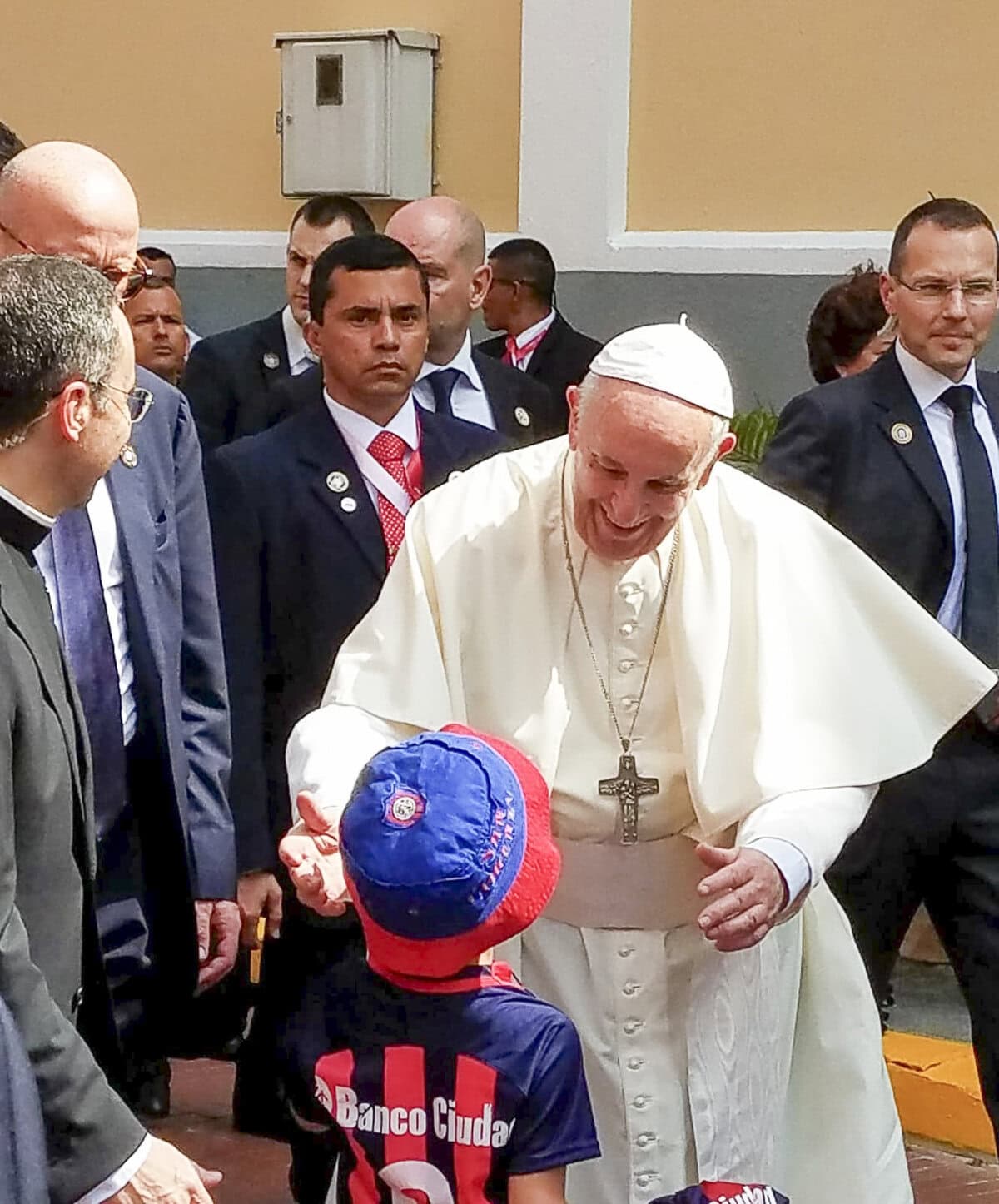
In 2019, Pope Francis visited Panama for World Youth Day, drawing hundreds of thousands of young people from around the world. The Pope spent several days in the country, participating in major public events and private meetings, with attendance at the closing mass reaching well over half a million people.
Just weeks earlier, Xi Jinping made a historic state visit, the first ever by a Chinese President to Panama. His visit marked a pivotal moment in the country’s global positioning, with multiple agreements signed across trade, tourism, infrastructure, and cultural cooperation. It reinforced Panama’s role as a strategic bridge between continents.
Panama has also welcomed senior U.S. leadership, including Vice President Mike Pence, alongside a steady flow of heads of state, ministers, and international delegations who continue to use the country as a meeting point for regional and global dialogue.
More recently, Panama hosted high-level presidential forums bringing together leaders from across Latin America. Several of these presidents chose to stay and meet within the historic district of Casco Viejo itself, reinforcing its role not just as a cultural center, but as a discreet and secure environment for diplomacy.
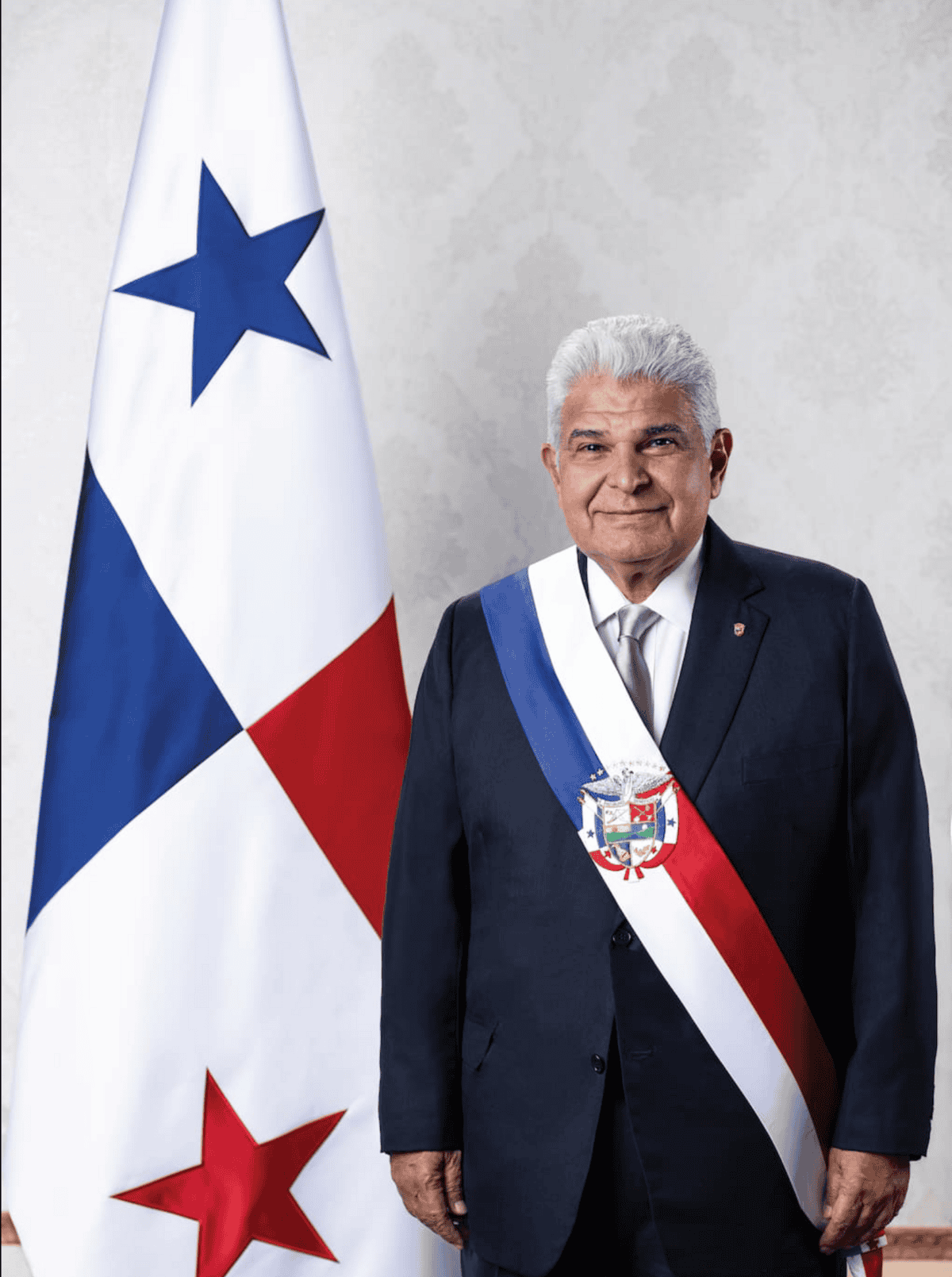
Behind the scenes, Panama’s continued stability is no accident. The current administration, led by José Raúl Mulino, a former Minister of Public Security with deep roots in national security, has spent years strengthening the country’s safety framework. This has contributed to Panama’s reputation as one of the safest and most stable destinations in the region.
Is Panama Safe for Tourists Overall
Yes, Panama is safe for tourists overall, especially compared with what many first-time visitors imagine before they arrive. It is one of the more stable countries in the region, and that stability matters more than people realize. You feel it in the airport, in the roads, in the hotels, and in the general flow of daily life.
Panama is not a fragile destination held together by tourism. It is a functioning country with business infrastructure, international banking, strong air connections, modern hospitals, major retail, and a large expat population. That does not eliminate crime, but it does create a stronger sense of order than many travelers expect.
Most visitors come, move around the city, take a few day trips, and leave without a single problem. That is the normal experience. The issue is that safety stories, especially negative ones, travel further than ordinary reality. Nobody goes home and tells ten people, “I had a completely normal week and everything was fine.” They only tell the dramatic story.
So when people ask, is Panama safe for tourists, the honest answer is yes, provided they approach it the same way they would approach any city they do not know well. Awareness matters. Location matters. Judgment matters. But fear, in most cases, is out of proportion to the reality on the ground.
Is Panama City Safe for Tourists
Panama City is generally safe for tourists, but it needs to be understood for what it is. This is not a sleepy beach town. It is a real capital city with layers to it. There are smart areas, rougher areas, business districts, old neighborhoods, and residential zones. That mix is exactly why it is interesting, but it also means you do not wander around blindly assuming every street functions the same way.
The good news is that most visitors spend their time in places that are well known, active, and easy to navigate. Casco Viejo, Punta Pacifica, the banking district, parts of Bella Vista, Costa del Este, and stretches of the Cinta Costera are all places where tourists commonly move about without issue. Hotels, restaurants, shopping malls, and transport links create a natural pattern of movement that is easy enough to follow.
Panama City also benefits from being compact in the areas that matter most to visitors. You are not usually traveling huge distances between useful districts. That reduces exposure to confusion and makes it easier to stay within areas that are comfortable and predictable.
That said, it is still a city. There are neighborhoods tourists do not need to be exploring, especially at night, and there is no prize for trying to prove how adventurous you are. The city rewards people who move intelligently. Those who do that generally find it far more manageable than they expected.
Is Casco Viejo Safe for Tourists
Casco Viejo is one of the clearest answers to the question, is Panama safe for tourists, because it is often the first place visitors experience on foot, and where perceptions quickly change.
II live here. I’ve watched this neighborhood grow from a time when there were just a handful of restaurants and a single convenience store across roughly 39 acres. What exists today is a very different environment, structured, active, and consistently managed. If you stay within the defined boundaries of Casco Viejo, you’ll experience that rhythm firsthand. And if you want to understand it properly, not just walk it, but actually know where you are and why it matters, this is exactly why I created my self-guided walking tour.
Casco Viejo operates, in many ways, as a contained and well-defined district. You’ll see a visible tourism police presence, along with additional security due to the nearby Palacio de las Garzas. That level of oversight matters. It creates a setting where visitors can walk comfortably, explore freely, and understand their surroundings quickly.
During the day, it is one of the easiest and safest places in Panama to walk. The streets are active, the layout is compact, and there is a steady rhythm of residents, hotels, cafés, churches, and cultural spaces all operating within close proximity.
In the evening, Casco Viejo
continues to function well. People move between Rooftops, Restaurants, and Bars, and walking remains part of the experience. This is exactly why I created a self-guided walking tour it works because the area is genuinely walkable and safe to navigate on your own.
That said, this isn’t about switching off awareness. Like anywhere in the world, if you’re out late at night or moving between nightlife venues, you use common sense. Stick to active streets, know where you’re going, and take an Uber when needed.
Casco Viejo is not just safe, it’s one of the most comfortable places in Panama for visitors to get their bearings. That comfort comes from a combination of structure, visibility, and a clearly defined footprint, which is exactly why I wrote a separate blog on the boundaries of Casco Viejo. It helps visitors understand where the experience works best. Within those boundaries, you can move around confidently, day or evening. Like anywhere, a bit of awareness goes a long way, but here, the environment is set up to support you, not work against you.
Panama Travel Safety Depends on How You Move
This is really the heart of it. Panama travel safety is not about the country simply being “safe” or “dangerous.” It’s about how you behave once you are here.
If you use Uber instead of random street taxis, stay in known neighborhoods, do not flash valuables, and avoid wandering aimlessly into unfamiliar areas late at night, your odds improve dramatically. That is not because Panama is unusually risky. It is because those habits are simply part of traveling well.
I have seen people create unnecessary worry for themselves by overthinking everything, and I have seen others act as if normal caution does not apply because they are on holiday. Both approaches are wrong. The sweet spot is the middle. Stay relaxed, but not careless. Stay open, but not naive.
Panama tends to reward that balance. It is a country that works well when visitors show a little awareness and a little humility. Come in with a me-first attitude, or assume the place should bend to your habits, and the experience becomes harder than it needs to be.
Crime in Panama and What Tourists Should Actually Worry About
Crime exists in Panama. Let’s get that out of the way properly. If anyone tells you otherwise, they are selling something. The real question is not whether crime exists, but what kind of crime tourists are most likely to encounter and how often.
For most visitors, the main risk is petty theft or opportunistic behavior. A phone was left on a table. A bag left unattended. A wallet too visible in a crowded setting. These are the sort of problems that can happen in almost any city. They are inconvenient, annoying, and usually preventable.
What most tourists do not need to spend their time worrying about is the dramatic, constant danger in the areas where they are likely to stay. That is not the normal pattern. Panama is not a destination where the average visitor spends their whole trip looking over their shoulder.
The trick is not to be careless just because the place feels comfortable. Comfort sometimes makes people sloppy. They relax too far, pay too little attention, and then blame the destination for something they could have helped avoid. So yes, crime is part of the equation, but in practical terms, tourists who move sensibly tend to do just fine.
Is Panama Safe for First-Time Travelers?
Yes, Panama is a very reasonable choice for first-time travelers, especially for those coming into Central America for the first time. It offers a balance of familiarity and difference that makes it easy to settle into.
When I first arrived in 2008, it was a very different place. The airport felt like a small regional terminal just beginning to handle international flights, and the city wasn’t lit the way it is today. It felt raw and less structured, but even then, I never felt uncomfortable. Growing up in England, we tend to move with a slightly more skeptical eye, which probably helped.
Over time, you begin to understand regional differences. Panama sits at the more stable, measured end of the spectrum. There’s a sense of order here and a value placed on everyday life that visitors quickly feel. It’s subtle, but it’s there.
Today, Panama is far more accessible. The US dollar, direct flights, good hotels, and strong connectivity all help. You’re not arriving somewhere that feels difficult to read, and that makes a difference when confidence is still building.
At the same time, Panama hasn’t lost its character. There is still culture, rhythm, and a bit of unpredictability enough to feel real without being overwhelming.
If someone asked me whether Panama is safe for first-time travelers, I would say yes. Like anywhere, it comes down to how you move and behave. The people who enjoy Panama most are the ones who take it as it is and move through it with awareness.
Is Transportation in Panama Safe for Tourists?
Transport is one of the areas where people usually feel reassured very quickly. Uber works well in Panama City, and that alone solves a lot of uncertainty. You can see your route, confirm pricing, and avoid the awkwardness that sometimes comes with negotiating transport in a place you do not know.
Taxis exist, of course, but for most visitors, Uber is the cleaner and safer choice. It is simple, widely used, and removes a lot of guesswork. For day-to-day movement in the city, that is normally enough.
For longer travel, domestic flights from Albrook Airport are useful, and the bus network from Albrook Terminal is extensive. Neither option is especially difficult to use. Again, Panama works better than many people assume before they arrive.
The key point is this: predictable transport supports safe travel. When you know how you are getting from place to place, especially at night or when tired, the whole trip becomes easier and calmer.
Is Panama Safe Outside Panama City
Once you leave Panama City, the answer becomes even more reassuring because the places travelers actually go are well-used, understood, and consistently part of the tourism flow. Boquete, the Pacific beach areas, Bocas del Toro, Contadora Island, and established resort zones all operate within a rhythm that visitors pick up quickly.
What’s worth saying clearly is this: you very rarely hear of crime directed at tourists in Panama. That’s not because anything is hidden; it’s because the country, broadly speaking, is working. The economy is growing, people are earning, and there is a real appreciation for tourism. You feel that not just in the city, but in the interior as well. Communities understand that visitors contribute directly to livelihoods, and that creates a different kind of environment.
Boquete, for example, feels calm, green, and immediately comfortable. The Pacific beach areas vary, but the established zones are straightforward. Contadora Island sits at the more exclusive end—one of the safest, most relaxed environments you’ll find anywhere. It’s where many of Panama’s more affluent families keep homes, not because it’s busy, but because it isn’t. Multiple beaches, low density, and a sense of quiet control define the experience. It’s not a place built for crowds or constant activity; it’s a place to step away.
Bocas del Toro has a looser Caribbean energy, so awareness still matters, but it remains a popular destination for a reason.
The key point is not that every part of Panama is identical; it’s that the areas tourists choose are already supported by infrastructure, familiarity, and local buy-in. That combination lowers friction and naturally improves safety.
As always, a bit of preparation helps. Know where you’re staying, understand your transfers, and get a feel for how the area works. Do that, and the experience across Panama tends to feel very easy.
Panama Safety Tips for Tourists
If you want practical safety tips for tourists in Panama, here they are in plain English.
Stay in well-reviewed accommodation in known areas. Use Uber in Panama City. Do not leave bags, phones, or wallets exposed just because you feel relaxed. Avoid carrying more cash than you need. Do not wander into unfamiliar streets late at night just because something looked close on the map.
At the same time, Panama is not behind the times if anything, it’s ahead in day-to-day convenience. Tap-to-pay is used everywhere. I use it constantly, even for the smallest purchases. Whether it’s a coffee or something more substantial, your phone or card will work almost every time. You’re not dealing with a cash-heavy system, and you’re certainly not being hit with the kind of small transaction fees you often see elsewhere.
If you are drinking, stay sensible. If you are using an ATM, choose one inside a mall, hotel, or secure location. If something feels off, trust that instinct. You don’t need to be paranoid, but you do need to stay aware.
Most of all, pay attention without turning your holiday into a security exercise. That’s the balance. Good travelers stay aware, but they still enjoy where they are.
What Travelers Get Wrong About Safety in Panama
The biggest mistake is thinking in extremes. Some people arrive convinced Panama will be dangerous at every turn. Others arrive assuming it will be completely harmless because they saw a few nice hotel photos online. Both positions are wrong.
Panama is like many destinations that are worth visiting. It offers a lot, but it expects something back from you. A little respect. A little patience. A little common sense. If you bring those things, the country is usually easy to navigate and enjoyable to experience.
Another mistake is comparing it too aggressively with home. That never helps. Panama is not trying to behave like London, Miami, or Madrid. It has its own rhythm. Once you accept that, you move better, react better, and usually feel safer as a result.
That, in truth, is part of what makes the experience more interesting. Panama is not difficult, but it does ask you to engage with it properly.
Fast Facts: Is Panama Safe for Tourists
- Currency: US dollar, which makes spending easier for many visitors.
- Language: Spanish, with basic English common in tourism areas.
- Best urban base: Panama City, especially known districts such as Casco Viejo.
- Best transport in the city: Uber.
- Tourist style: City, culture, beach, jungle, and short escapes all within reach.
- Main safety rule: Stay aware, use common sense, and do not wander blindly.
- Overall safety feel: More manageable than many first-time visitors expect.
- Best advice: Respect the place, do not rush, and move with confidence rather than bravado.
Q&A:
Yes. Panama is generally safe for tourists who stay aware, use common sense, and move within known travel patterns.
Yes, especially in areas where visitors normally stay, dine, and explore. Like any city, some neighborhoods are better avoided.
Yes. Casco Viejo is one of the safest and most walkable areas for visitors, especially when explored sensibly.
In active, well-known areas, generally yes. The main thing is not to wander aimlessly into unfamiliar places after dark.
Uber is the best option in Panama City because it is more predictable and easier for visitors.
Yes, particularly for those who are comfortable using normal travel awareness and staying in well-reviewed areas
Yes. In fact, many couples and mature travelers find Panama easier and more comfortable than they expected.
Petty theft and opportunistic behavior are the most common risks, not dramatic or constant danger.
In my view, yes. Much of the hesitation comes from uncertainty rather than the reality of most visitor experiences.
No. You need to be sensible, not worried. There is a difference, and it matters.
Closing Thoughts
So, is Panama safe for tourists? Yes, it is. But the better answer is this: Panama is safe for travelers who understand how to travel well.
It is not a country that needs to be feared, and it is not a country that should be treated carelessly either.
Meet it halfway, use your judgment, and you will likely find what many others have found before you: the concern fades quite quickly once real experience takes over.
Thanks for reading. I genuinely appreciate you taking the time to understand what safety in Panama really looks like beyond headlines. After living here since 2008 and working in tourism my entire life, I can tell you this Panama is a country that functions, and Casco Viejo is one of the clearest examples of that.
What most visitors discover quickly is that safety here comes from rhythm, visibility, and community. People are out early, businesses are active, and daily life is happening in the open. It’s not forced it’s natural. And once you feel it, you understand it.
If you’re planning your trip or already here, these pages will help you move around Panama with clarity and confidence:
- 🗺️ Learn Spanish in Casco Viejo — a simple way to connect more deeply with the culture and navigate everyday situations with ease.
- 🚗 How to Travel Around Panama — practical guidance on getting around safely, efficiently, and without overthinking it.
- 🌇 Panama City Walk Near Casco Viejo — see firsthand how the city moves, from the historic quarter to the modern waterfront.
Want to experience Panama with confidence? Start in Casco Viejo, walk the city, and observe how people live. That’s where the real answer to “is Panama safe” becomes clear not from reading, but from being here.
Casco Viejo Walking Tour
Explore Casco Viejo at your own pace with a flexible self-guided walking route designed for your phone.
- No groups, no schedules
- Start anywhere, stop anywhere
- Works on phone or desktop
Panama City In 24 Hours
A carefully paced local itinerary for travelers with limited time who still want to experience Panama properly.
- Arrival day made simple
- Rooftops, dining & local rhythm
- Smart airport timing
Three Nights & Four Days
A flexible Panama itinerary centered around Casco Viejo, designed to help you arrive calmly and plan with confidence.
- Casco Viejo as your base
- Smart day trips and dining
- Timing without overplanning
Understanding Casco Viejo
Know exactly where Casco Viejo begins and ends. This guide removes confusion and helps you move confidently between the historic district and modern Panama City.
EXPLORE THE BOUNDARIESMeetings & Events in Casco Viejo
From rooftop receptions to private dining and boutique hotels, discover how Casco Viejo delivers for planners looking for something refined, walkable, and memorable.
PLAN YOUR EVENTGetting to Panama
A straightforward guide to flights, routes, and arrival strategy. Understand how to reach Panama efficiently and start your trip without unnecessary friction.
VIEW FLIGHT OPTIONSJames P. Rice
James P. Rice purchased a home in Casco Viejo in 2008 and brings more than 40 years of hospitality, restaurant, tourism, and convention industry experience to CascoViejo360.com.
His background includes leadership positions with Ritz-Carlton and Hyatt Hotels, executive roles with major convention centers, and ownership of restaurants and pubs in both the United Kingdom and the United States.
Every article, hotel, restaurant, rooftop venue, attraction, and experience featured on CascoViejo360.com is selected through local knowledge, personal experience, and professional review, with careful consideration given to visitor experience, service standards, authenticity, and its contribution to the overall Casco Viejo and Panama City visitor experience.