
Coffees of Panama: From Naive Beginnings to a Global Stage
I arrived in Casco Viejo (also known as San Felipe) in 2008, thinking I understood coffee, with little real awareness of what coffees of Panama actually represented. I had already spent a lifetime in hotels and restaurants. I had worked in luxury environments where service and detail mattered. Coffee had always been part of that world. It came at the end of a meal, during a meeting, or with dessert, and it needed to be right. That was my understanding. It was part of hospitality, part of routine, and part of the overall guest experience.
Then I met Wilford Lamastus.
At some point in the conversation, I confidently said that the best coffee came from Costa Rica and Brazil. I said it the way people repeat something often enough to believe it is true. I said it without hesitation, and I said it standing in front of one of the most respected coffee plantation owners in the world.
That moment has stayed with me.
Not because I was corrected harshly, but because I realized almost immediately that I did not understand coffee at all.
For someone who had spent a career in luxury hospitality, that was humbling. It was also a little embarrassing. I had served endless cups of coffee and had never truly understood it. I understood service, presentation, and standards. But I did not understand coffee.
That meeting planted a seed. It did not make me an expert overnight, and it did not turn me into a coffee obsessive. But it marked the beginning of a longer process. Looking back, that was where my education really started.
Coffees of Panama: Where My Education Quietly Began
That conversation did not send me rushing off to study coffee. In truth, I resisted it. I already knew how difficult it was to learn a craft properly. Wine had taken me years to understand at even a respectable level. Learning regions, styles, producers, and the language around them required time, repetition, and humility. I was not sure I wanted to begin that process again with coffee.
But once your eyes are opened, they do not fully close again.
Coffee stopped being something I served and became something I noticed. I began listening more carefully. I began hearing how people in Panama talked about it. This was not casual. It was not about pushing a product. There was a seriousness to it, grounded in discipline and understanding.
Panama was not trying to compete with larger producing countries on volume. It was not interested in becoming a commodity machine. It was refining something smaller, more precise, and more controlled. Elevation mattered. Soil mattered. Microclimates mattered. Processing mattered. Roasting mattered. The deeper I looked, the more I realized how much I had underestimated coffee.
I did not dive in immediately. I was still slow to learn. But I was no longer blind to it, and that made the difference.
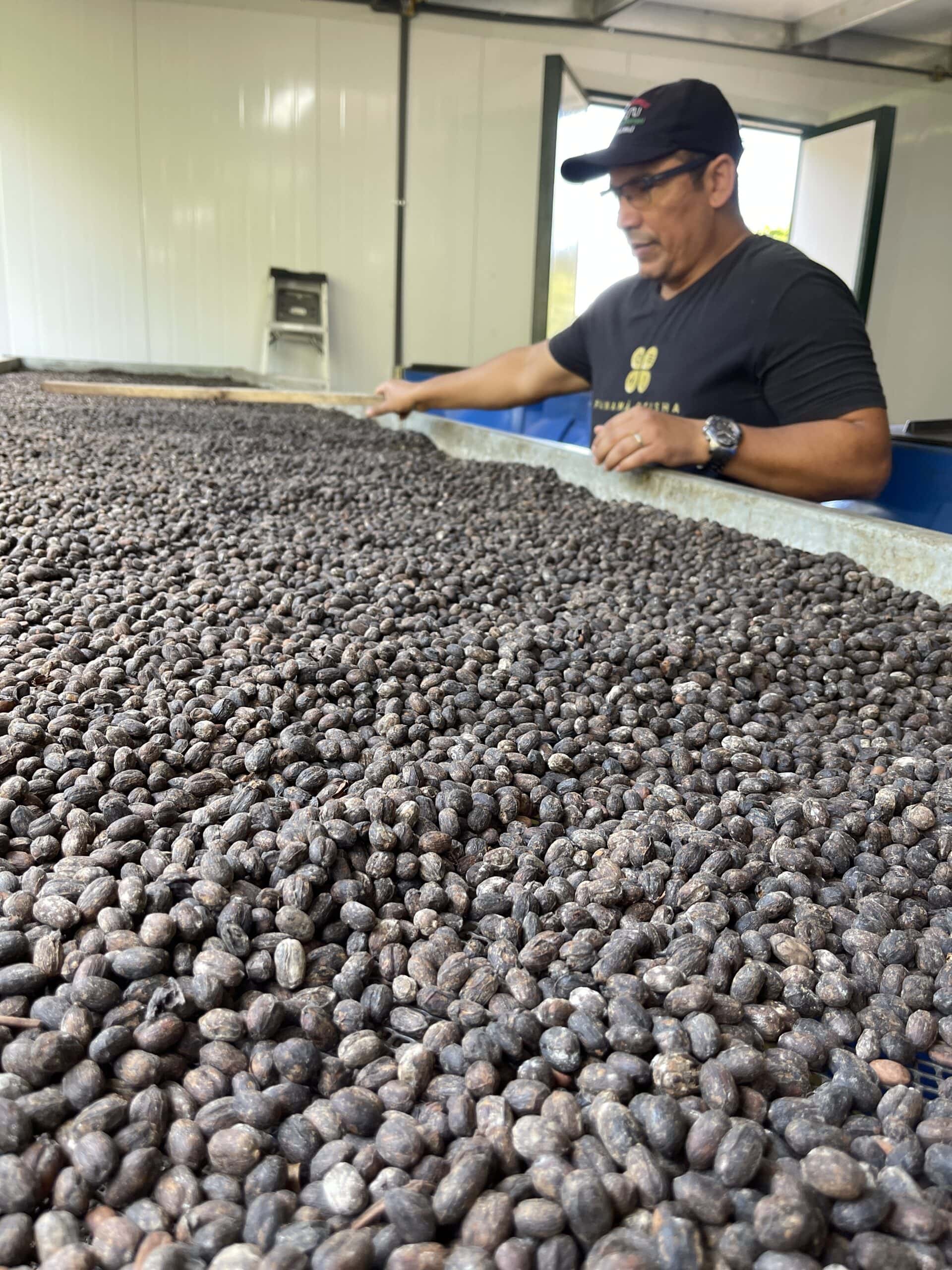
The Global Story of Coffee Before Panama Took the Stage
To understand why coffees of Panama matter today, you have to step back and look at the global story. Coffee began in Ethiopia, where its earliest history is rooted. From there, it moved into Yemen, where it became part of trade and daily life. It was no longer just a crop. It became something that traveled.
From Yemen, coffee spread through the Ottoman Empire and into North Africa and Europe. Coffeehouses emerged and became places of conversation, business, and exchange. Coffee was never just about the drink. It became part of how people gathered.
As it spread, different regions shaped it in different ways. Europe turned coffee into routine. Latin America turned it into production and export. Southeast Asia developed bold and distinctive profiles. The Middle East maintained its connection to ceremony and hospitality.
Coffee has always been global. What has changed is how deeply people now choose to understand it.
That shift created space for countries like Panama to step forward differently.
Coffees of Panama and the Shift From Commodity to Craft
For many years, coffee was treated as a commodity. It was produced in large quantities, traded globally, and consumed with little thought. The focus was on availability and consistency. Strength was often mistaken for quality. Dark roasting masked faults. Milk and sugar became expected, not optional.
Then the conversation began to change.
People started asking better questions. Where is this coffee from? Who grew it? How was it processed? What does it actually taste like when you stop covering it up? Coffee moved from uniformity toward distinction.
This is where Panama found its place.
Panama does not compete on size. It competes on precision. Its geography allows for high elevations and specific microclimates that support exceptional cultivation. Farms are smaller and more controlled, allowing for better management and more deliberate decisions.
That is why coffees of Panama matter. They represent a more disciplined model. They reflect careful farming, careful processing, and careful attention to the final cup. There is nowhere to hide when coffee is treated this way. Clarity exposes everything.
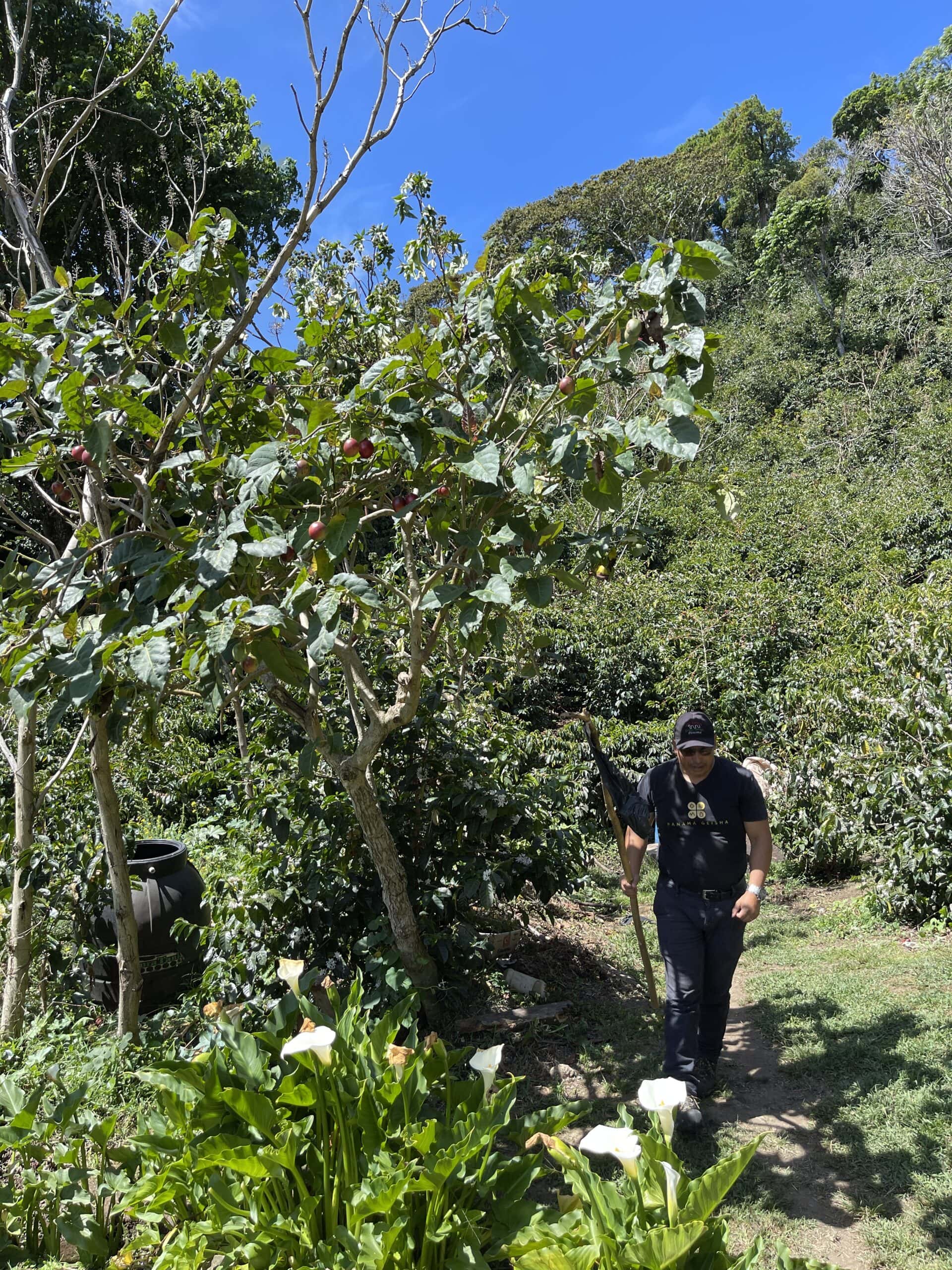
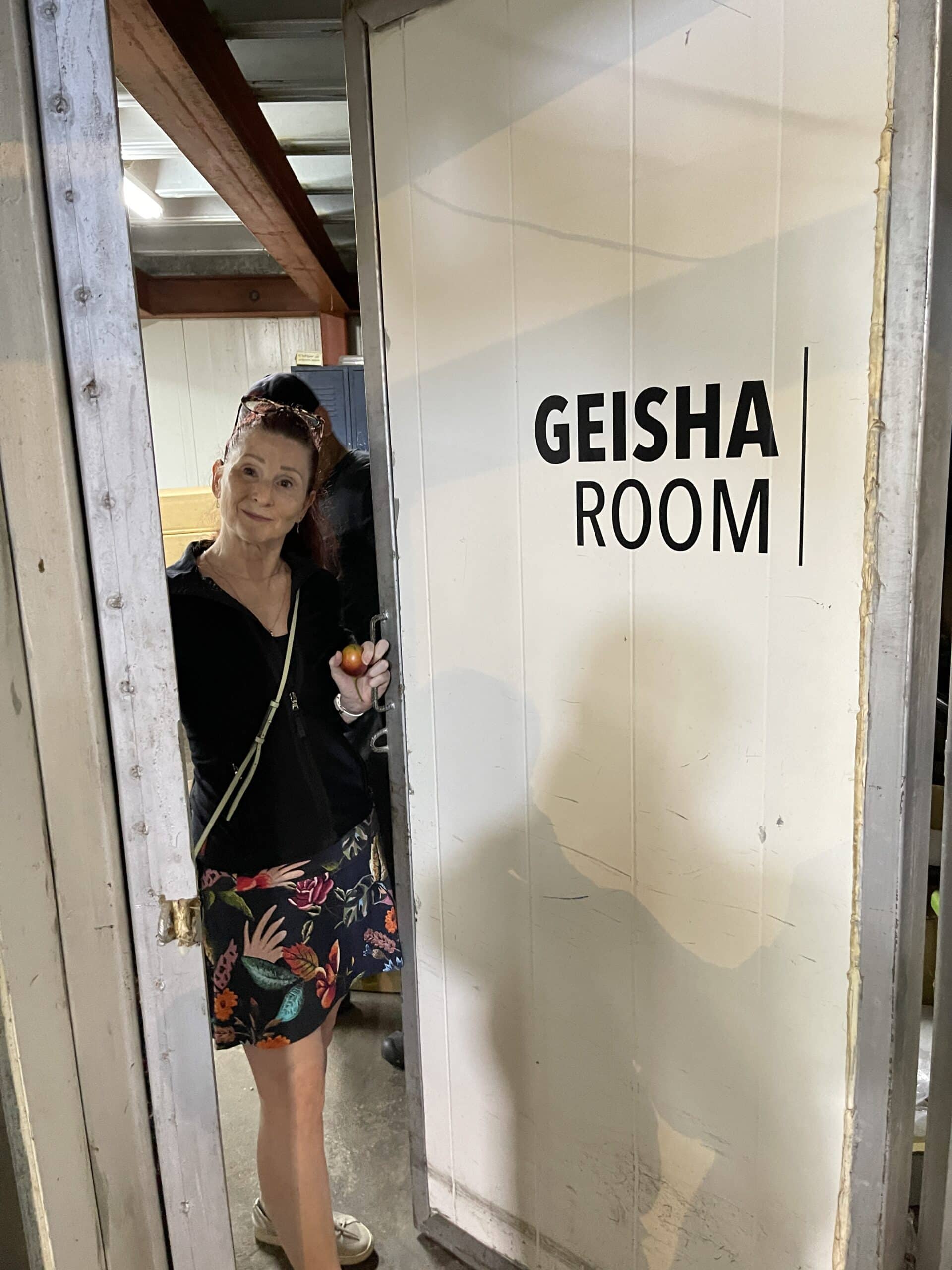
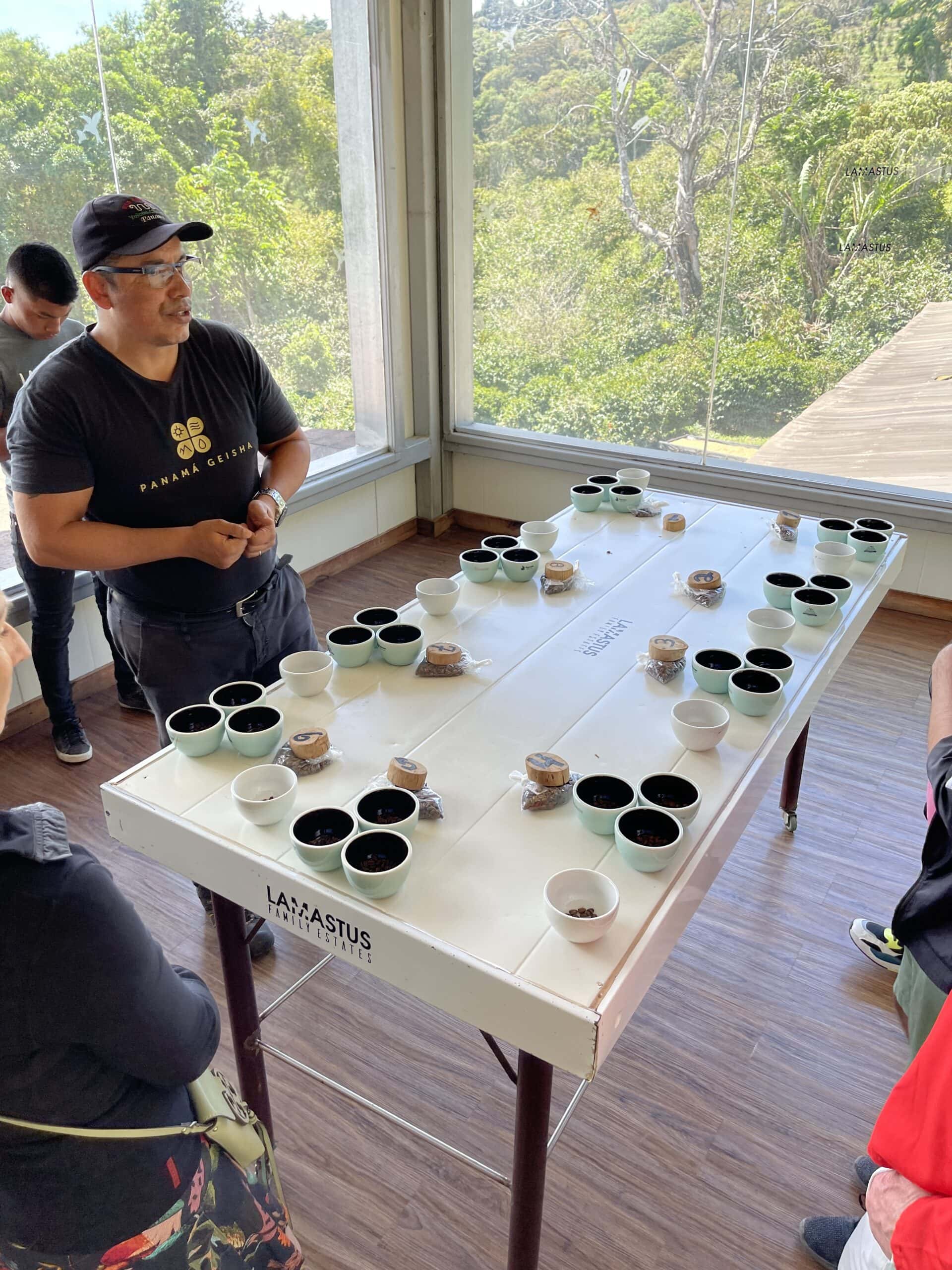
I have also had the opportunity to visit one of Wilford Lamastus’ coffee plantations, and it reminded me of my first visit to a winery. In three hours, you learn more than you have learned in three years. You see the terrain, the elevation, the picking, the process, and the discipline behind it. It stops being a product and becomes a craft very quickly. Once you experience that firsthand, you cannot look at coffee the same way again.
And when the cup is excellent, it earns its place honestly.
My Own Reality: Espresso, Milk, and Learning the Hard Way
I should make something clear. I am not a coffee purist. I am an espresso man, and I still put milk with it. That is the truth. I am not going to pretend otherwise just to sound more educated. My habits are my habits. But my understanding of what sits underneath that cup has changed dramatically over the years.
I now grind my own coffee every day. I pay attention to where the beans come from. I pay attention to how they are processed. I have traveled across Panama and visited plantations. I have built relationships with plantation owners. I have seen firsthand how much work, discipline, and risk sit behind the finished product. That changes your perspective. Once you have stood in those places and had those conversations, you stop seeing coffee as just another item on a breakfast tray.
There is also a whole other world
that sits beyond my own preference. Pour-over coffee has exploded internationally, and for good reason. It is about precision. Ratios matter. Water temperature matters. Timing matters. Grind size matters. There is something almost surgical about it when done properly. It is a craft within a craft. It reveals flavor differently. It demands more patience from the person making it and more attention from the person drinking it.
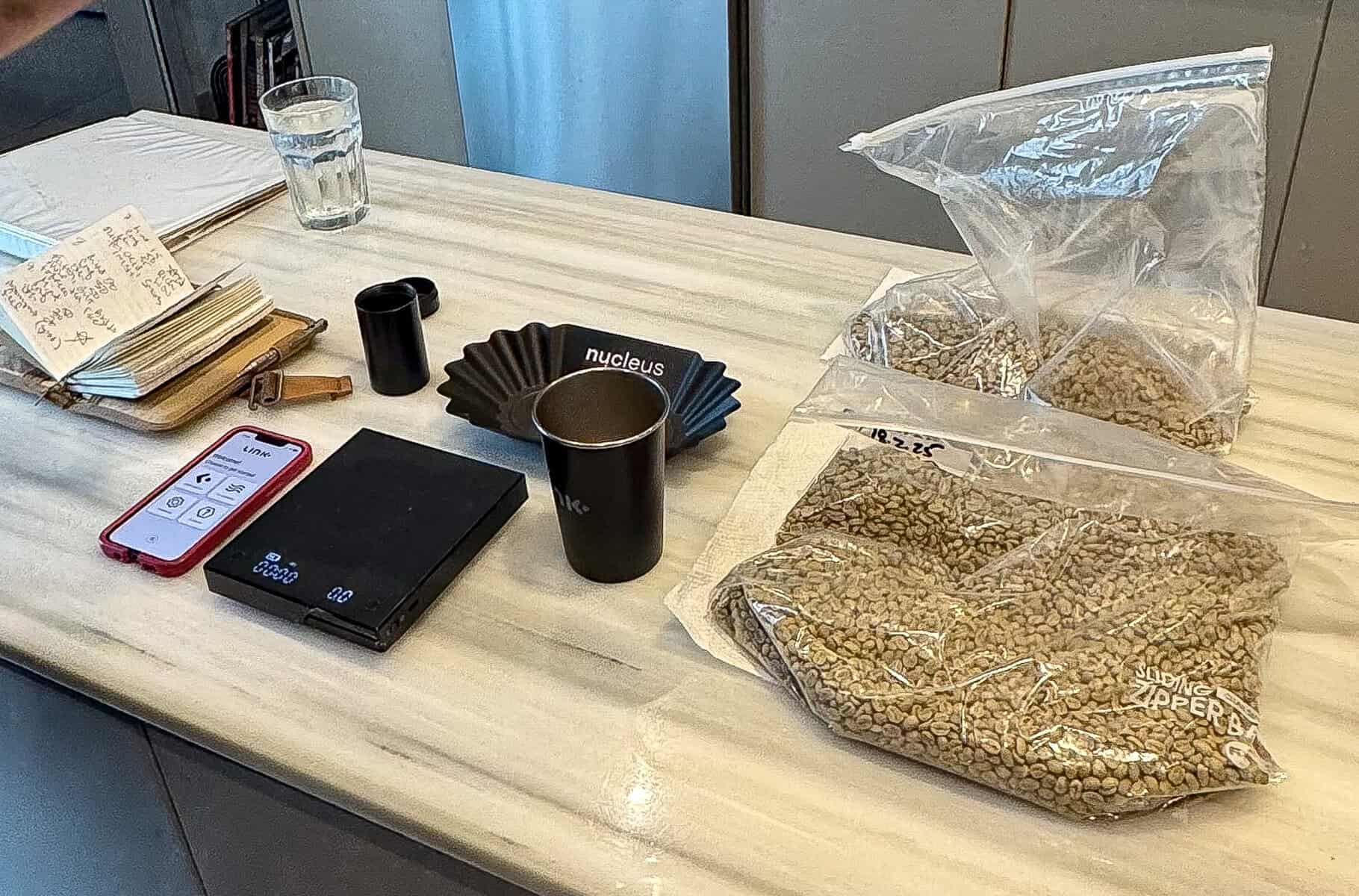
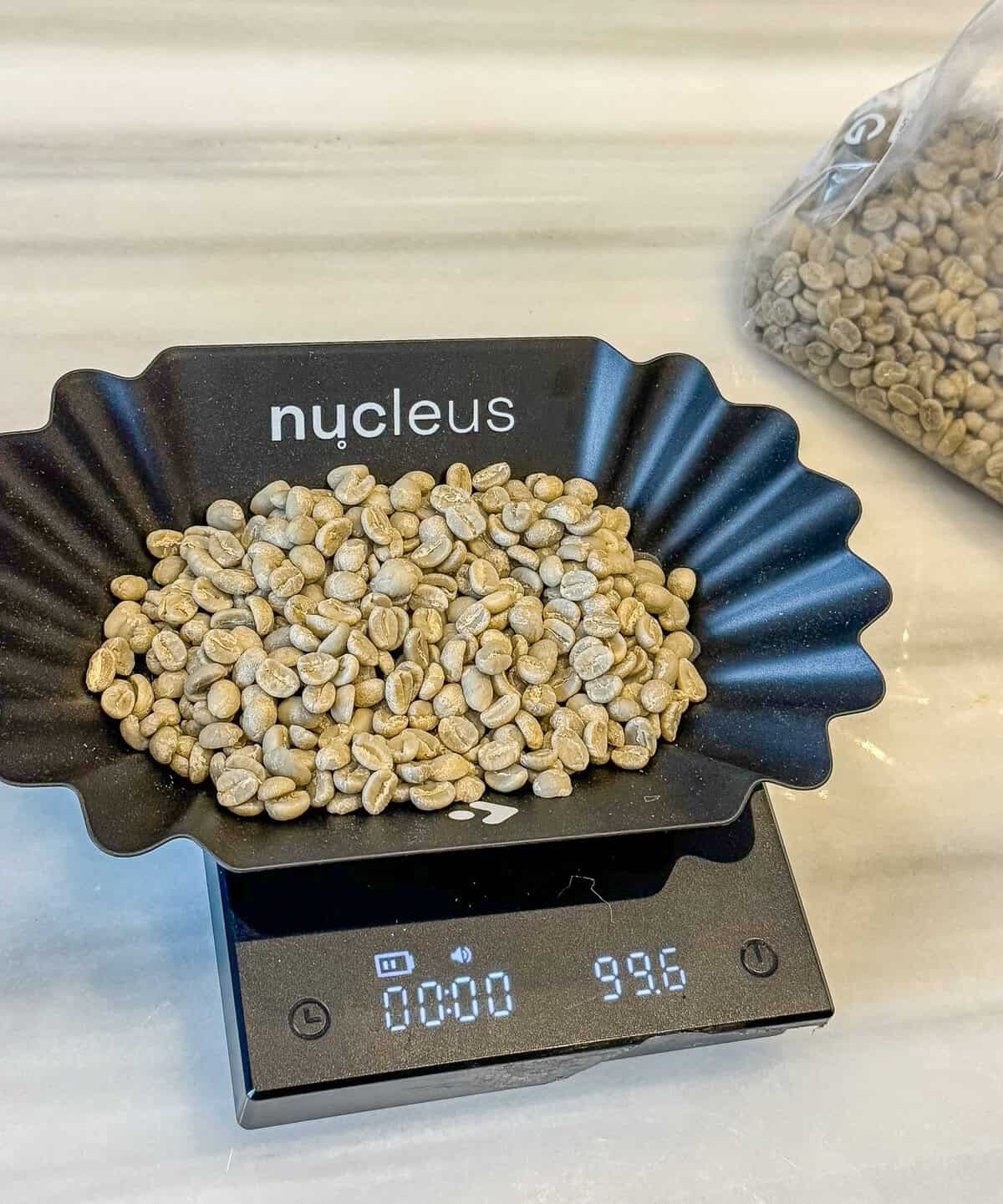
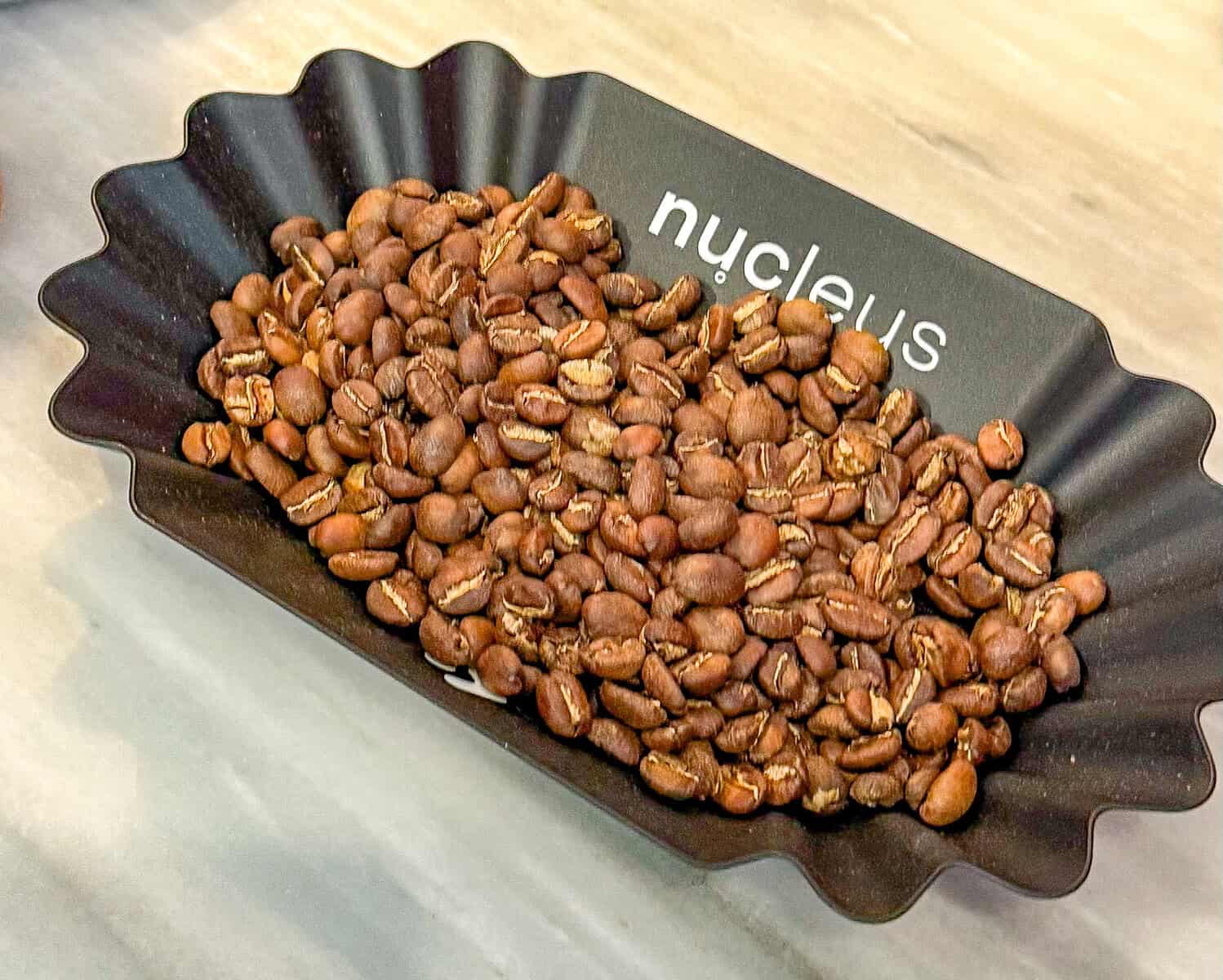
I have seen that level of commitment up close through a good friend of mine, George Evans. What started as curiosity has turned into something far more serious. He now roasts his own coffee and even uses a fast sample roaster that can roast beans in about seven minutes before going straight into the grinder. Watching that process in real time gives you a different appreciation for how deep this world goes if you choose to follow it.
I respect that world, even if I do not live entirely within it. That is important to say. Respect does not require pretending to be an authority. It requires honesty. I am not a coffee authority. I do not claim to be one. But I am no longer naive, and that matters too.
Coffees of Panama: Why the World Is Now Paying Attention
Panama did not wake up one morning and suddenly become important in coffee. This position has been built slowly and properly. The rest of the world is simply catching up to what producers here have known for years. The country has the natural conditions to produce remarkable coffee, but nature alone is never enough. Quality has to be pursued, protected, and repeated.
That is where Panama has done well.
The country’s elevations, cooler mountain zones, rainfall patterns, and distinct microclimates create ideal conditions in certain regions. Producers have learned how to work with those conditions rather than against them. Smaller farms often mean more hands-on care. Careful picking, sorting, washing, drying, and roasting all contribute to what ends up in the cup. None of this is accidental.
The Lamastus family is one well-known example of what Panama can produce at the highest level, but they are not standing alone. There are multiple producers and families who have helped build Panama’s reputation through consistency and quality. That reputation was not created by marketing language. It was created by results.
And that is the key point.
Too many industries rely on labels. Too many businesses call themselves luxury before earning it. Too many people talk about premium this and premium that, as though the word itself creates value. It does not. The market decides. The consumer decides. The guest decides. Coffee is no different. If the product is exceptional, people will say so. If it is not, the label means nothing.
That is why global attention on coffees of Panama matters. It reflects earned respect, not borrowed language.
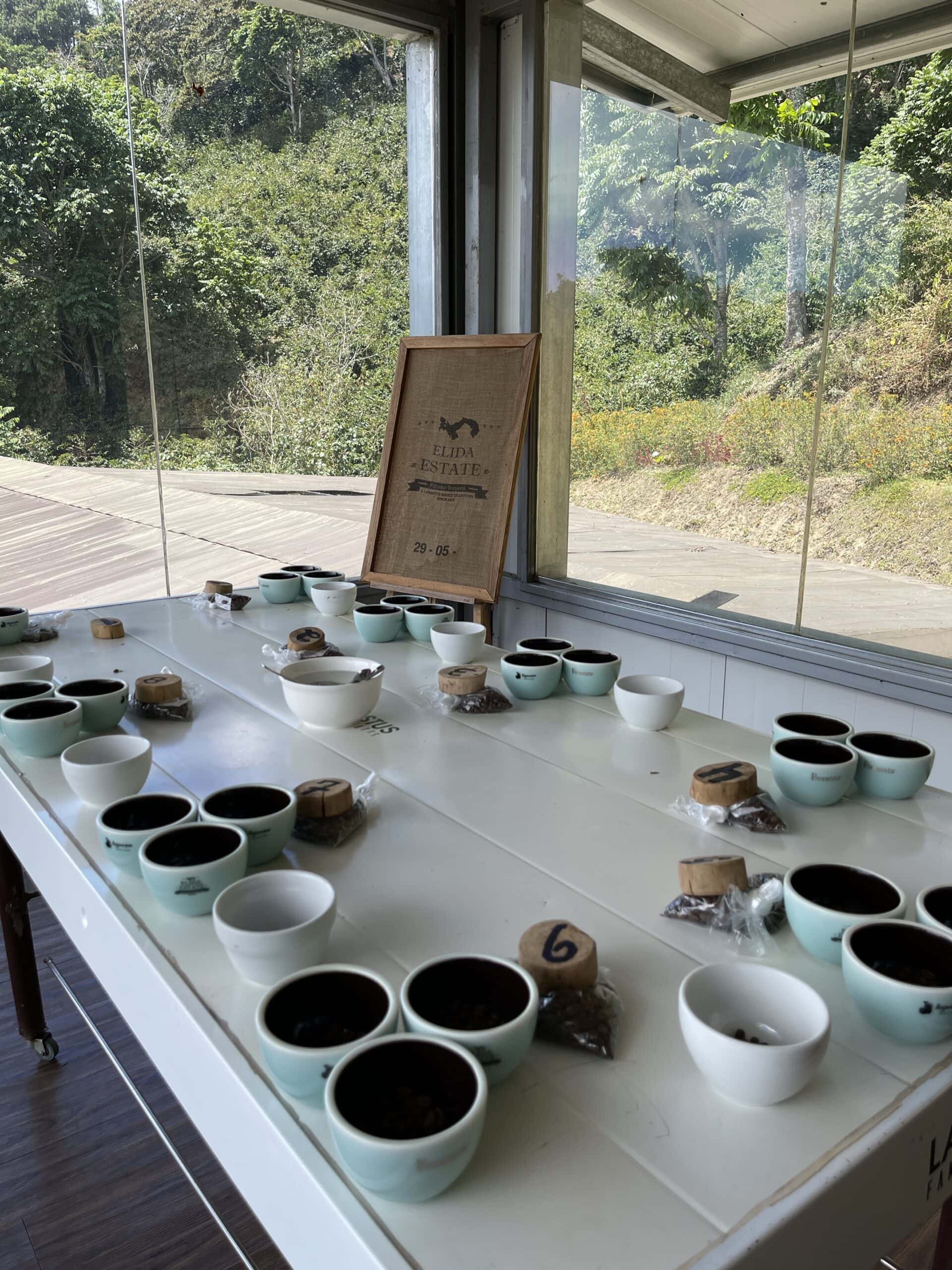
A Word on Geisha, Without the Hype
It would be impossible to write about coffees of Panama without addressing Geisha. The variety has become almost mythical in coffee circles. It is associated with floral notes, elegance, complexity, scarcity, and price. In many cases, that reputation is deserved. The best examples can be extraordinary. But there is a danger in letting one name carry the whole conversation.
Not every Geisha is exceptional.
That needs to be said plainly.
Once a word becomes fashionable, people use it too freely. Coffee is no different from hotels in that regard. A hotel opens and calls itself luxury. A bag gets packaged and carries the word Geisha. The language arrives before the proof. But the proof still has to show up in the experience.
The cup tells the truth.
That is where I think coffee and hospitality have a lot in common. Labels do not impress me much anymore. Too many people borrow status language because it sounds good. But the consumer always decides in the end. The guest decides. The drinker decides. Reputation built on reality lasts. Reputation built on language does not.
Geisha deserves respect, but it should not be treated like a magic trick. It is part of the story of Panama, not the whole story. Coffees of Panama are broader than one variety. They represent a culture of precision and seriousness. That matters more in the long run.
Coffee Across Continents: Different Traditions, Different Palates
One of the most interesting things about coffee is how differently the world approaches it. This is where the subject opens up beyond plantations and roasting notes. Coffee is not just agriculture. It is culture. It is habit. It is memory. It is lifestyle.
In Southeast Asia, coffee often carries a bolder, more intense character. In Vietnam, coffee culture has developed around strong, distinctive experiences, often sweetened or paired with condensed milk. In Bali and Indonesia more broadly, coffee traditions carry their own weight and regional identity. In Turkey, coffee is ritual, texture, conversation, and timing. It is not rushed. In the Middle East, coffee can still carry ceremony and symbolism, tied deeply to hospitality and social respect.
Then you look at Europe,
where coffee often sits inside daily life with quiet confidence. Espresso culture in Italy, café culture in France, and chain-driven convenience in other places all tell different stories. The United States has pushed coffee through several phases, from diner coffee to Starbucks culture to specialty obsession. Now there are parts of the American market that speak about coffee the way wine lovers once spoke about Bordeaux or Burgundy.
That matters because today’s coffee conversation is no longer just about caffeine. It is about flavor, sourcing, process, experience, and identity. People are increasingly willing to pay for quality and willing to learn why quality matters.
And into that world steps Panama.
That is why all eyes are moving here. Panama sits at the intersection of geography, craft, and timing. It has the product. It has the story. And now it has the attention.
From Spirits to Coffee: A Cultural Shift Worth Noticing
I say this carefully because I have many friends in the food and beverage industry who work brilliantly with wine, cocktails, and rum. This is not an attack on spirits. It is an observation about culture.
We are seeing a shift.
For years, so much social energy sat around alcohol. Meeting for a drink, ending the day with a drink, celebrating with a drink, building identity through what was in the glass. That still exists and always will. But coffee has entered that same space with far more force than many people expected.
People now sit with coffee. They compare it. They travel for it. They build rituals around it. They talk about tasting notes, origin, roasting style, brewing method, and producer reputation. They spend on equipment. They spend on beans. They spend on experiences. They are not simply drinking coffee to wake up. They are drinking it to experience something.
That is a major shift.
And in some ways, coffee offers a cleaner kind of appreciation. The focus is flavor. The focus is craft. The focus is on what the producer and roaster have actually achieved. It is not about noise. It is not about intoxication. It is about attention.
That does not make it better than every other drink culture. But it does make it significant.
When you see coffee moving this way globally, you understand why coffees of Panama matters now. The world is finally paying attention to something that was once overlooked.
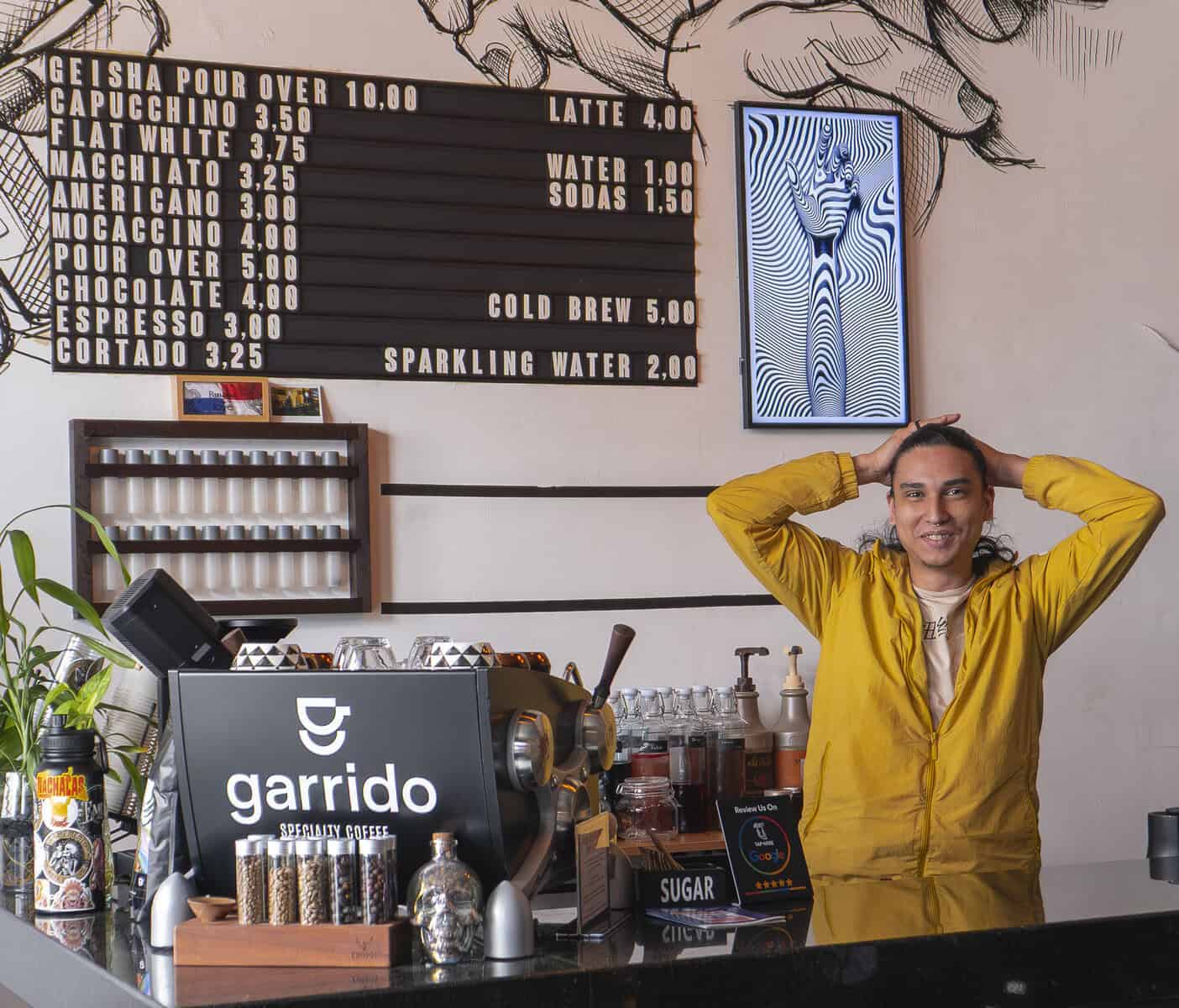

Panama in 2026: A Defining Moment for Coffees of Panama
This year matters. Panama is not just producing respected coffee. Panama is becoming a focal point in the wider coffee conversation. The world of coffee is coming here, and that means something. It means the industry is not simply admiring Panama from a distance. It is showing up.
That kind of attention does not land in just any country.
When global professionals, buyers, roasters, writers, and coffee people gather in one place, they are doing more than attending an event. They are acknowledging relevance. They are saying, in effect, that this country belongs at the center of the conversation.
Panama does.
For those who have been paying attention, this is confirmation. For those who have not, this is the wake-up call. Coffees of Panama are no longer a niche subject. They are part of a wider global story about where quality lives and how specialty coffee continues to evolve.
And Panama benefits from something else as well. It is not just about farms and mountains. It is about access, location, culture, and experience. Someone can come to Panama for coffee and also experience city life, history, dining, coastlines, and a real sense of place. That combination matters more than people think.
Coffee alone can draw attention. But coffee paired with an actual destination becomes even more compelling.
Coffees of Panama: World of Coffee 2026 and Why This Moment Matters
There are events, and then there are moments that shift perception. What is happening in Panama in October 2026 sits firmly in the second category. For the first time, World of Coffee is being held in Latin America, and more importantly, in a producing country. That alone tells you how the industry now sees Panama.
This is not accidental.
Panama has spent years building its reputation through discipline, consistency, and quality. What the world is doing now is catching up. Bringing this event here is not about convenience. It is about recognition.
From October 23 to 25, the global coffee community will gather at the Panama Convention Center. Producers, buyers, roasters, and professionals from across the entire coffee chain will be here. This is one of the most concentrated gatherings of coffee expertise the region has ever seen.
And that matters.
It places Panama at the center of the conversation, not on the edge of it. It brings the market closer to origin. It allows people to see, taste, and understand coffee where it actually begins.
That shift is important.
For years, coffee has been presented in consuming markets, far from where it is grown. Now the conversation is moving closer to the source. That changes how people think about quality, value, and authenticity.
It also changes how people experience Panama.
Events like this do not stay inside convention halls. They move into the city. They fill hotels, cafés, and restaurants. They bring in people who are curious, informed, and willing to explore beyond the obvious.
And when they step outside the convention center, they will be looking for something real.
That is where places like Casco Viejo come into play Because this is where the experience continues.
Coffees of Panama: Where It All Actually Happens
The real story of coffees of Panama sits in the highlands of Chiriquí, particularly around Boquete and the surrounding regions. This is where elevation, climate, and terrain come together to create the conditions that have put Panama firmly on the global coffee map.
There are a number of plantations that have helped define that reputation, each contributing in its own way.
You have Elida Estate,
part of the Lamastus Family Estates, known for some of the highest elevation coffee in the country. The Lamastus family are not just producers; they are pioneers of Geisha coffee and are widely regarded as a global authority on the variety. Their approach is disciplined, precise, and consistent, which is why their name carries weight far beyond Panama.
You also have Hacienda La Esmeralda, which played a critical role in bringing international attention to Panama through its Geisha coffee and early global recognition. Their contribution helped shift perception and opened the door for what followed.
Then there is Finca Lérida, one of the oldest and most established coffee farms in the region, with deep roots in Panama’s coffee history. It represents continuity and tradition within an industry that has evolved rapidly.
Equally important is the Koyner family,
owners of Kotowa Coffee, a household name within the Panamanian community. Their presence is felt both locally and nationally, and they have built a reputation for consistency and accessibility without compromising quality. They are also known for producing premium decaffeinated coffee, something that is often overlooked but requires just as much care and precision as any other process.
You also have Don Pachi Estate, Altieri Specialty Coffee, and Janson Coffee Farm, all of which contribute to the broader reputation of Panama as a serious coffee-producing country. Each brings its own approach, but all operate within the same framework of discipline and attention to detail.
These are not large industrial operations.
They are farms where decisions matter, where conditions are managed carefully, and where the final result reflects the work behind it.
If you want to understand coffees of Panama properly, this is where it begins.
Coffees of Panama: What Visitors Should Actually Do
If you come to Panama and want to understand its coffee, keep it simple. Do not arrive trying to sound like an expert. Do not overcomplicate it. Just pay attention.
Drink coffee in different forms. Have an espresso. Try a pour-over. Taste the difference between styles rather than deciding too quickly what you prefer. Sit in a café and slow down. Good coffee is wasted on people who are in too much of a rush to notice it.
If you have the chance, go further. Visit a plantation. Attend a tasting. Ask questions. Speak with people who grow it, roast it, and serve it. You will learn quickly that coffee is not just about the final cup. It is about labor, climate, timing, discipline, and judgment.
And be honest with yourself. You do not have to like every cup. You do not have to become a coffee fanatic. You do not need to memorize every term. But you should give the subject the respect it deserves.
That is enough.
Because coffees of Panama are not a gimmick. They are not a marketing trick. They are the result of real work done properly. Once you understand even a small part of that, the experience becomes more meaningful.
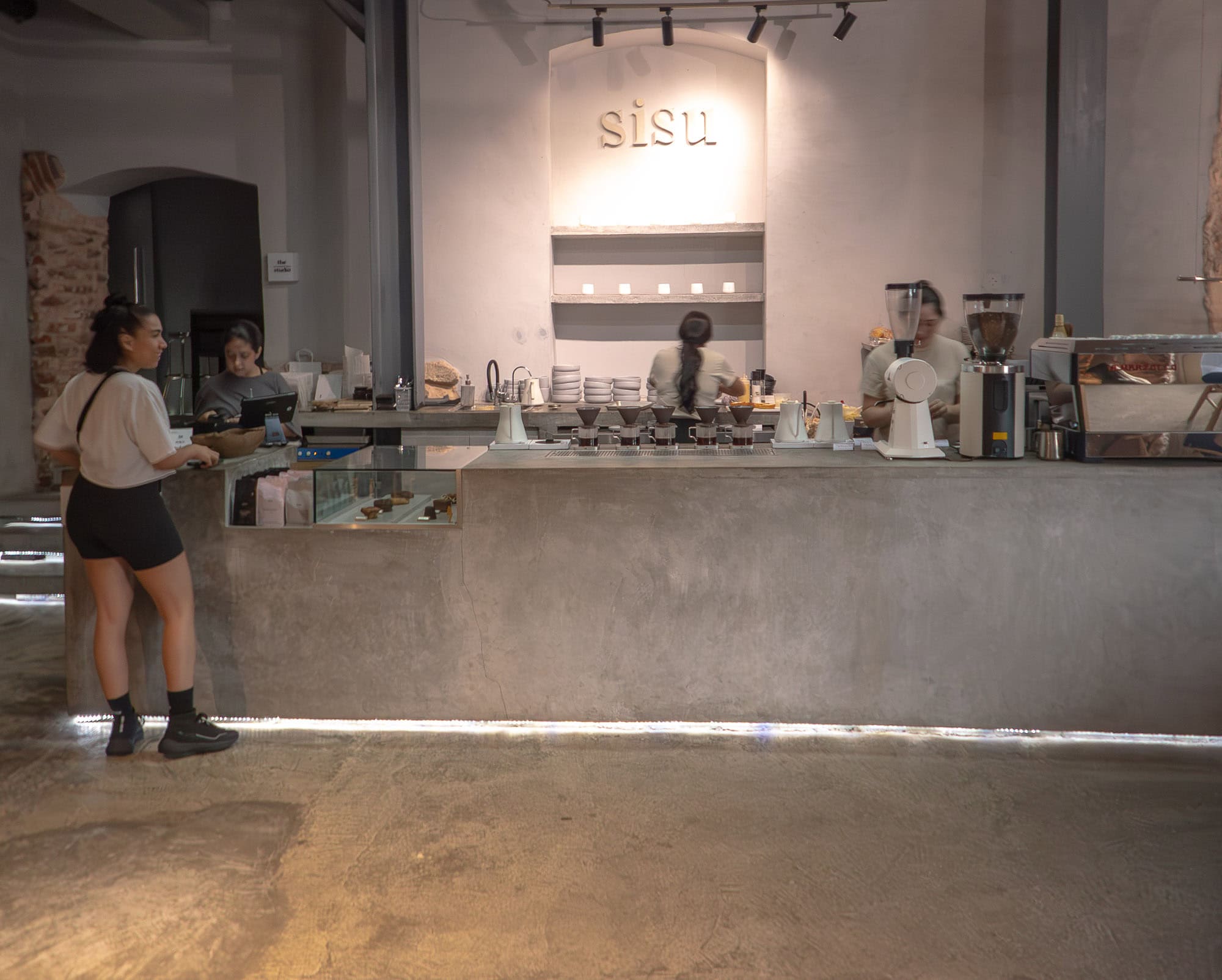
Fast Facts: Coffees of Panama
- Coffee is believed to have originated in Ethiopia, before moving into Yemen and then outward across the world.
- Coffeehouses became important social and commercial spaces in the Ottoman Empire and later in Europe.
- Latin America became a major force in coffee cultivation because of climate, geography, and export potential.
- Panama is not one of the world’s largest producers, but it is one of the most respected for high-quality specialty coffee.
- Panama’s reputation is built on elevation, microclimates, careful processing, and consistency.
- Boquete is one of the most internationally recognized coffee-growing regions in Panama.
- Geisha is a famous coffee variety associated with Panama, but the variety name alone does not guarantee quality.
- Modern coffee culture increasingly values flavor clarity, origin, processing method, and producer reputation.
- Many coffee drinkers now explore espresso, pour-over, and tasting experiences rather than simply ordering standard coffee.
- Panama’s importance in specialty coffee continues to grow as global attention shifts toward craft, scarcity, and quality.
Questions and Answers About Coffees of Panama
Coffees of Panama stand out because of the country’s elevation, climate, microclimates, and disciplined production methods. Panama is not trying to dominate on volume. It is focused on precision, and that shows in the cup.
No. The reputation has been built over time. Panama’s producers earned attention gradually through quality and consistency, not through mass-market promotion.
No. Geisha is an important part of Panama’s coffee story, but it is not the whole story. Coffees of Panama represent a broader culture of serious farming, careful processing, and quality control.
No. You do not need to force yourself into someone else’s rules. Black coffee may reveal more, but understanding starts with paying attention, not pretending.
No. Some parts of coffee culture may become fashionable, but the deeper shift toward quality, traceability, and craft is not going away.
Because exceptional coffee takes real work. Scarcity, altitude, selective picking, careful processing, roasting skill, and reputation all influence price.
Brazil and Costa Rica both matter enormously in coffee. But Panama competes differently. It is not about size. It is about precision and high-end specialty positioning.
Espresso is concentrated and intense. Pour-over is slower and often reveals more subtle flavor differences. Both can be excellent when done properly.
Absolutely. You do not need technical knowledge. Curiosity and attention are enough. A good cup will speak for itself.
Because the quality is real, the reputation is earned, and the global coffee world is paying closer attention than ever before.
Final Thoughts: Coffees of Panama
I did not set out to understand coffee. I was forced to respect it first. That is probably the most honest way I can put it. I arrived in Panama with assumptions. I thought I knew enough. I did not. Meeting Wilford Lamastus showed me that very quickly. What followed was not some dramatic reinvention. It was a slower, more useful process. I listened. I traveled. I learned. I paid attention.
I am still not an authority, and I do not need to pretend to be one. But I do understand enough now to know what real work looks like. I understand the difference between language and substance. I understand the danger of labels that arrive before the proof. And I understand why coffees of Panama deserve the respect they are now receiving.
What is happening in Panama is not accidental. It is the result of discipline, geography, vision, and years of doing things properly. That matters. The world is beginning to recognize it, and rightly so.
And for anyone visiting Panama, or anyone still thinking coffee is just another drink, this is worth your time. Because once you begin to understand what sits behind a cup of coffee, you do not really go back.
You may still drink it your own way. I certainly do. But you stop taking it for granted.
That, in the end, may be the real education.
Thank you for taking the time to read this guide. My hope is that it gives you a clearer understanding of coffees of Panama and why this country has earned its place on the global stage. What makes Panama special is not just the coffee itself, but the people, the elevation, and the discipline behind it. From plantation to cup, there is a level of care here that becomes evident the more you pay attention. It is not about hype or labels. It is about what is actually in the cup, and that is where Panama continues to stand apart.
Every conversation, visit, and observation shared here comes from living in Panama since 2008 — meeting producers, walking plantations, and watching how the coffee story here has evolved over time. It is something you begin to understand slowly, and once you do, you do not look at coffee the same way again.
If this guide sparked your curiosity, you may enjoy exploring a little further:
- ☕ Geisha Coffee Panama – Lamastus — a closer look at one of the most respected coffee families in the world and their role in shaping Panama’s global reputation.
- 🍸 Mandinga Rum Bar — while coffee may be the focus, Panama’s craft culture extends into rum, where local producers show the same level of care and identity.
- 🌙 Casco Viejo Bars — explore how the neighborhood transitions from coffee by day to a refined, social atmosphere by night.
If you are visiting Panama and want to experience both its coffee culture and the wider lifestyle that surrounds it, I am always happy to help you navigate the neighborhood, understand where to go, and make the most of your time here.
Explore Casco Viejo
On Your Own Time
This self guided walking tour is designed to last up to four hours, but you set the pace. Do it in one relaxed half day, or break it into a few stops between coffee, meals, and photos.
- No groups, no schedules
- Start anywhere, stop anywhere
- Works on phone or desktop
Meetings in Casco Viejo, Panama
For planners looking beyond ballrooms. Boutique hotels, rooftop receptions, walkable dine-arounds, and real neighborhood character — this is how serious meetings get done here.
PLAN A MEETING HEREDestination Weddings in Casco Viejo
Historic churches, rooftop sunsets, colonial courtyards, and everything within walking distance. If you’re considering Panama, start here before you make a single call.
EXPLORE WEDDINGSCasco Viejo Boundaries
Where Casco truly begins, where it ends, and why that matters. If you’re booking a hotel, planning an event, or buying property — this distinction is important.
UNDERSTAND THE MAP