
the Panama Canal: A 30-Minute Journey into Panama’s Heart
Editor’s Note: This guide was updated in July 2026 to reflect the latest visitor information, planning advice, and recommendations for visiting the Panama Canal.
Only thirty minutes from Casco Viejo, you’ll find one of the greatest engineering achievements in human history. Millions of visitors come to Panama hoping to visit the Panama Canal and see the Canal, yet many arrive thinking they’re simply going to watch a few ships pass through a set of locks.
They’re almost always surprised.
The Panama Canal is far more than a transportation route linking two oceans. It represents determination, innovation, sacrifice, and a vision that reshaped global trade forever. It also tells the story of Panama itself. For many Panamanians, the Canal isn’t simply a landmark. It’s part of the country’s identity, a source of immense pride, and a reminder that one small nation plays an essential role in keeping the world’s economy moving.
After living in Casco Viejo since 2008, I’ve taken countless visitors to the Miraflores Locks Visitor Center. Friends, hotel guests, meeting planners, cruise passengers, and first-time visitors often ask me exactly the same question before we arrive.
“Is it really worth spending half a day just to watch ships?”
My answer has never changed.
You’re not coming to see ships.
You’re coming to understand Panama.
Once you stand on the viewing deck and watch a vessel weighing tens of thousands of tons slowly rise or fall through the locks, something changes. The scale is difficult to appreciate until you’re standing there yourself. Suddenly, what seemed like a simple canal becomes one of humanity’s greatest engineering achievements.
If you’re visiting Panama City for only a few days, I believe visiting the Panama Canal should be near the very top of your itinerary. It offers history, engineering, education, remarkable photography, and a deeper appreciation for the country you’ll be exploring.
Whether you’re staying in Casco Viejo, attending a conference at the Panama Convention Center, arriving on a cruise ship, or simply passing through Panama City, this guide will help you make the most of your visit.


Why Every Visitor Should Visit the Panama Canal
People often ask me whether the Panama Canal is worth visiting if they only have three or four days in Panama City. My answer is always yes, and not because it’s one of the country’s most famous attractions.
The Panama Canal helps you understand Panama in a way that no museum, walking tour, or history book can. Standing beside the locks, you begin to appreciate the scale of an idea that changed the world. You aren’t simply watching ships move between two oceans. You’re witnessing a system that has connected continents, shortened global trade routes, and influenced international commerce for more than a century.
Every day, vessels carrying everything from automobiles and coffee to medical supplies and electronics pass through the Canal. Many travelers never stop to think about how the products they use every day reach their homes. A visit to the Panama Canal offers a rare opportunity to watch global trade unfolding in real time, only a few metres away.
When you visit the Panama Canal, you quickly understand that, for Panama, it represents far more than engineering. It has shaped the country’s economy, created generations of skilled employment, and placed this relatively small nation at the centre of international trade. Ask almost any Panamanian about the Canal and you’ll quickly discover a genuine sense of pride. It isn’t simply infrastructure. It’s part of the national identity.
One of the reasons I enjoy bringing visitors here is watching their expectations change. Many arrive expecting to spend an hour looking at a few ships before moving on to the next attraction. Instead, they slow down. They begin asking questions about how the locks work, why ships appear to float effortlessly as millions of gallons of water move beneath them, and how engineers first imagined connecting two oceans across one narrow strip of land.
That curiosity is exactly what makes the experience memorable.
Unlike many famous landmarks, the Panama Canal isn’t frozen in history. It continues to operate around the clock, serving modern shipping while adapting to the demands of larger vessels and changing trade patterns. The expansion completed in 2016 ensured that the Canal remains one of the world’s most important transportation corridors, proving that remarkable engineering continues to evolve rather than standing still.
If you’re visiting Panama City for the first time, I believe you should visit the Panama Canal near the beginning of your itinerary. Seeing it early gives you a deeper appreciation for the country’s history, economy, and ambition. As you explore Casco Viejo, the Amador Causeway, or the Panama Convention Center later in your trip, you’ll already understand one of the most important forces that shaped modern Panama.
By the time you leave, you probably won’t remember every statistic or every ship that passed through the locks. What you’ll remember is standing above one of the world’s greatest engineering achievements and realizing that you were watching something far bigger than boats. You were watching the heartbeat of a nation that has connected the world for generations.
The Panama Canal Museum or Miraflores Locks? Here’s My Advice
One question I occasionally receive is whether visitors should spend their time at the Panama Canal Museum in Casco Viejo or travel to the Miraflores Locks Visitor Center.
If your time in Panama City is limited, my recommendation is straightforward.
Visit the Miraflores Locks Visitor Center first.
The two experiences are very different, and they complement each other rather than compete.
The Panama Canal Museum in Casco Viejo does an excellent job telling the Canal’s story through documents, photographs, artifacts, and historical exhibits. It’s informative, well presented, and particularly valuable for anyone wanting to understand the political, social, and engineering history behind one of the world’s greatest construction projects.
However, it remains a traditional museum experience.
The Miraflores Locks Visitor Center is something entirely different.
Here, history comes alive.
You begin with the museum galleries, but that’s only the beginning of the experience. The IMAX theatre provides an immersive introduction to the Canal before you step outside onto the viewing terraces. Within minutes, you may find yourself standing only metres from a massive container ship as it slowly rises or descends through the locks. You hear the engines, feel the movement of the water, and begin to appreciate the incredible precision required to move these giants between two oceans.
It’s an experience that simply can’t be recreated inside a museum gallery.
If you have several days in Panama and enjoy history, I’d encourage you to visit both. The museum in Casco Viejo adds valuable historical context to everything you’ve already experienced at Miraflores.
If you only have time for one, I wouldn’t hesitate.
Go to Miraflores first.
I’ve recommended that approach to countless visitors over the years, and I’ve never had anyone return wishing they had skipped the locks in favor of the museum alone. Once you’ve experienced the Canal in operation, the museum becomes even more meaningful because you’ve already witnessed the engineering with your own eyes.
Planning Your Visit to the Panama Canal Visitor Center
After recommending visitors visit the Panama Canal for many years, I’ve learned that timing can make the difference between a good visit and an unforgettable one. Fortunately, planning your day isn’t complicated, especially if you’re staying in Casco Viejo or elsewhere in Panama City.
From Casco Viejo, the journey normally takes around thirty minutes, although traffic can be unpredictable during weekday rush hours. If you’re traveling from one of the hotels along Avenida Balboa, Punta Pacifica, or the banking district, travel times are usually similar. I always recommend allowing a little extra time rather than feeling rushed.
One of the questions I’m asked most often is, “What time should I arrive?”
My answer is usually between 1:00 and 1:30 in the afternoon.
While ship schedules change daily, arriving after lunch often gives visitors an excellent opportunity to experience vessels moving through the locks. There are no guarantees, because the Canal operates according to international shipping schedules rather than a tourist timetable, but over the years I’ve found this to be one of the most rewarding times to visit.
Don’t make the mistake of arriving only for the viewing deck.
The visitor center was designed to tell a complete story, and the experience is best enjoyed in stages. Begin by exploring the museum exhibits, where you’ll gain an understanding of the challenges, ambition, and extraordinary engineering behind the Canal. Next, enjoy the IMAX presentation, which brings more than a century of history to life through stunning visuals and compelling storytelling. By the time you reach the observation terraces, you’ll have a much deeper appreciation for everything unfolding in front of you.
That’s when the experience truly comes alive.
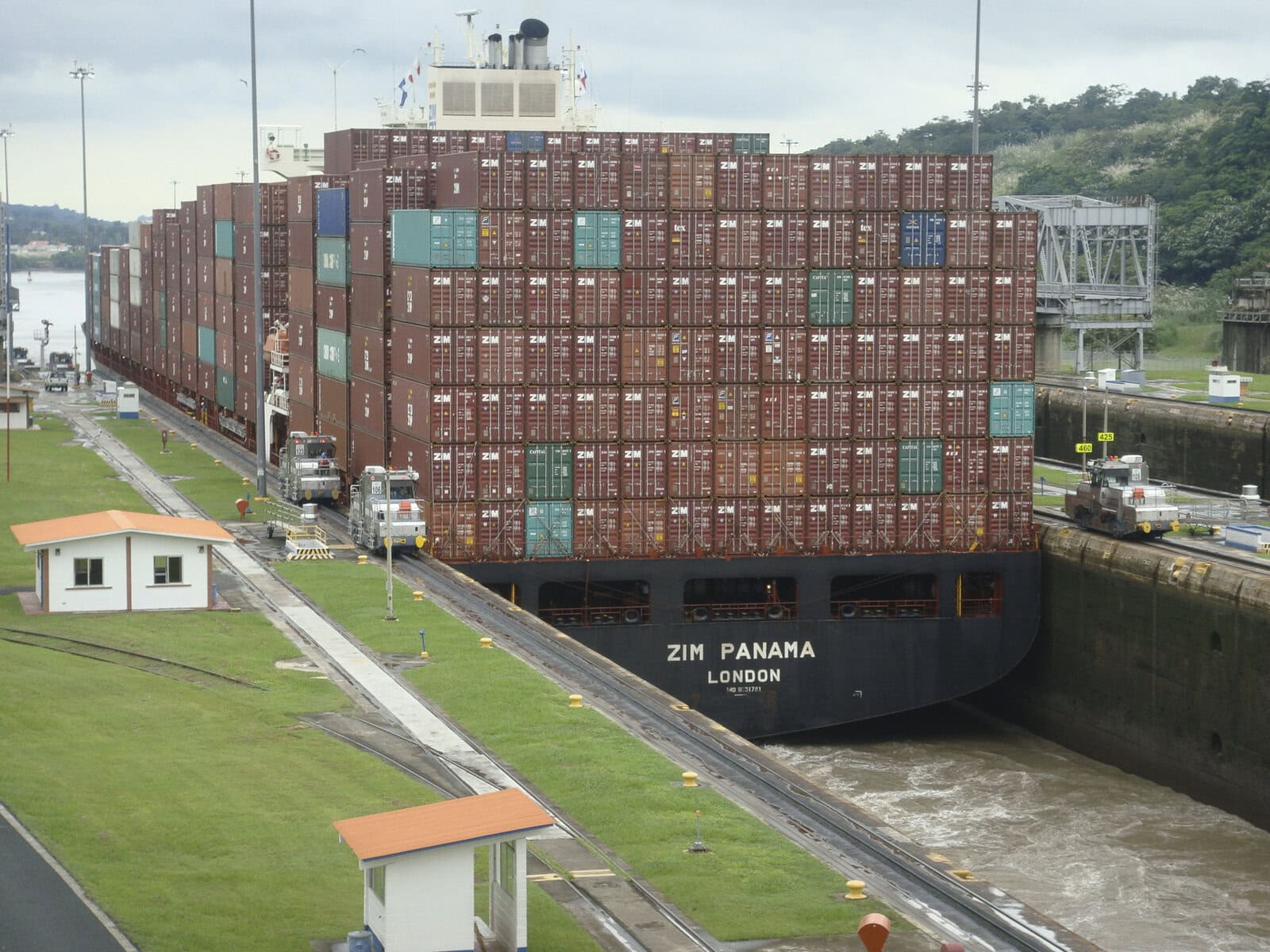
Watching a massive container ship move through the locks is surprisingly emotional. Photographs and television documentaries simply don’t prepare you for the scale. The locomotives guiding each vessel seem tiny beside the ships they control, while millions of gallons of water quietly raise or lower vessels weighing tens of thousands of tons with remarkable precision.
I suggest allowing three to four hours for your visit.
Many visitors assume they’ll spend an hour when they visit the Panama Canal before moving on. Instead, they often find themselves lingering on the viewing deck, watching one ship after another while asking questions they never expected to ask. The Canal has a way of slowing people down. Before long, you realize you’ve been standing there for far longer than you intended, completely absorbed by what you’re watching.
If you’re traveling with children, they’ll probably enjoy the interactive displays and the spectacle of the ships. If you’re interested in engineering, history, photography, or international trade, you’ll likely discover that the Panama Canal offers far more than you anticipated. Even visitors who arrive with little interest in shipping usually leave talking about the experience long after they’ve returned home.
A Few Local Tips Before You Go
Over the years, I’ve picked up a few simple habits that make every visit more enjoyable.
Dress comfortably and remember that Panama’s tropical climate can be warm and humid throughout the year. Lightweight clothing, comfortable walking shoes, sunscreen, and a bottle of water will make your afternoon much more pleasant.
Don’t rush through the exhibits just to reach the observation deck. The museum and IMAX presentation provide the context that transforms what you’re about to see from an impressive engineering project into one of the world’s greatest achievements.
Finally, take your time.
Some of the best moments happen while you’re simply standing quietly on the terrace, watching another ship begin its journey through the locks. There are very few places in the world where you can witness global commerce operating with such precision while standing only a short distance away.
For me, that’s what makes every visit worthwhile.
Inside the Panama Canal Visitor Center: What to Expect
One of the reasons I recommend the Miraflores Locks Visitor Center to almost every first-time visitor is that it tells the Panama Canal story in the right order.
Rather than walking straight onto the observation deck, you’re gradually introduced to one of the greatest engineering achievements in modern history. Each part of the visit builds naturally on the last, allowing you to appreciate not only what you’re seeing but why it matters.
I always encourage visitors to slow down and enjoy the experience from beginning to end. The temptation is to rush outside in search of the first ship, but you’ll appreciate that moment far more after understanding the remarkable story behind it.
Begin with the Museum
The museum provides an excellent introduction to the Panama Canal and the determination required to build it.
As you move through the galleries, you’ll discover the early French attempt to construct the Canal, the enormous engineering and medical challenges that followed, and the eventual completion of one of the most ambitious infrastructure projects ever undertaken.
The exhibits are thoughtfully presented and easy to follow, making them enjoyable whether you’re deeply interested in history or simply looking for a better understanding of what you’re about to experience outside.
As someone who has brought many visitors here over the years, I’ve noticed something interesting. People who spend time in the museum ask better questions later. Instead of simply admiring the ships, they begin wondering how the lock system works, how much water is used during each transit, and how engineers continue operating the Canal with such remarkable precision every day.
That curiosity becomes part of the experience.
The IMAX Theatre Brings the Story to Life
Once you’ve explored the museum, continue to the IMAX theatre before heading to the viewing deck.
This is much more than a film shown on a large screen.
The documentary combines spectacular aerial photography, historical footage, and modern engineering to explain why the Panama Canal changed international trade forever. Watching enormous vessels navigate the locks from above gives you a completely different perspective from the one you’ll experience outside only a short time later.
The narration by Morgan Freeman adds another level of depth and gravitas to the story. His voice seems perfectly suited to explaining a project of this scale, helping connect the Canal’s remarkable past with its continuing importance today.
By the time the lights come up, you’ll have a much richer appreciation of what you’re about to witness in person.
Then Comes the Moment Everyone Remembers
Eventually, you’ll make your way to the observation terraces overlooking the Miraflores Locks.
This is the moment most visitors have been waiting for.
If a ship is approaching, you’ll often notice the atmosphere changing before you even see it. Conversations become quieter. Cameras appear. Visitors move toward the railings as the enormous vessel slowly comes into view.
Then the scale becomes almost impossible to comprehend.
Standing above the locks, you’re suddenly looking down at a ship stretching hundreds of metres in length. The crews appear tiny against the towering stacks of containers. The electric locomotives, known locally as “mules,” move carefully along each side of the lock, helping guide the vessel with extraordinary precision while millions of gallons of water quietly lift or lower it to the next level.
No television programme, YouTube video, or photograph truly prepares you for seeing it with your own eyes.
The movement is surprisingly slow, almost graceful, yet every part of the operation is controlled with incredible accuracy. Within a short time, what seemed impossible begins to look effortless.
That’s usually when visitors realize they’re watching something very few places on Earth can offer.
More Than Watching Ships
It’s easy to think the experience is simply about seeing one vessel pass through the locks.
It isn’t.
You’re watching more than a century of engineering knowledge still performing exactly as its designers intended, while adapting to the demands of twenty-first-century global trade.
Around you, you’ll hear conversations in half a dozen languages. Families, cruise passengers, aviation enthusiasts, engineers, photographers, and curious travelers all find themselves sharing the same moment. For a little while, everyone is focused on exactly the same thing.
It’s a reminder that the Panama Canal belongs not only to Panama but also to the wider world.
Yet no one feels that connection more deeply than the Panamanians who operate it every single day.
As I stand there with visitors, I often find myself looking beyond the ships. I watch people’s reactions instead. Almost every group arrives expecting an interesting attraction. Almost every group leaves talking about the experience rather than the mechanics.
To me, that’s the difference.
People don’t remember visiting a lock.
They remember witnessing one of humanity’s greatest achievements still working exactly as it was designed to do.
Why the Panama Canal Still Shapes the Modern World
When you visit the Panama Canal, it’s easy to think of it as a remarkable achievement from another era. While its history is fascinating, that’s only part of the story. The Panama Canal remains one of the busiest and most important waterways on Earth, quietly influencing international trade every single day.
Unlike many historic attractions that preserve the past, the Panama Canal continues to shape the future. Every ship that enters the locks reminds visitors that this isn’t simply a monument to engineering. It’s a living, working transportation system that connects oceans, countries, businesses, and millions of people around the world.
Standing Beside the Panama Canal Changes Your Perspective

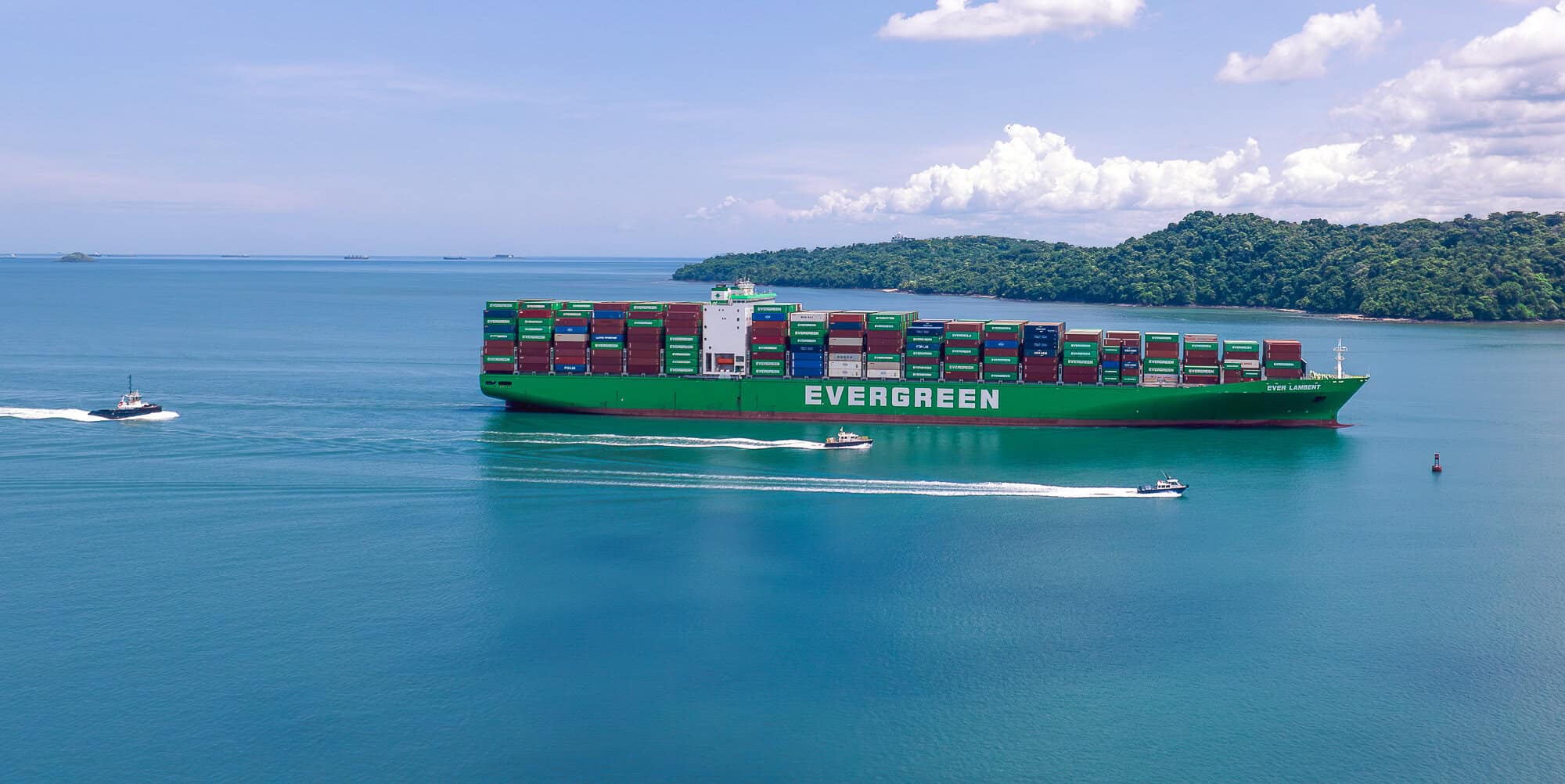
Every day, ships carrying products destined for homes, hospitals, supermarkets, factories, and businesses pass through the Panama Canal. Everything from automobiles and construction materials to coffee, electronics, medical equipment, and clothing moves through these locks on its journey to destinations across the globe.
Standing on the viewing deck, it’s impossible not to wonder what lies inside the thousands of colorful containers stacked high above each vessel. Somewhere inside those steel boxes are products that will eventually reach families in North America, Europe, Asia, South America, and countless other destinations.
One of the reasons I enjoy bringing visitors to visit the Panama Canal is that it makes international trade surprisingly easy to understand. Concepts that seem complicated in a classroom suddenly become clear when you’re standing only a few meters from a massive ship slowly making its way through the locks. What you’re witnessing isn’t simply transportation. You’re watching the global economy at work.
Why the Panama Canal Remains Essential to Global Trade
The Panama Canal saves ships thousands of kilometers compared with the alternative route around Cape Horn at the southern tip of South America. That reduction in distance translates into enormous savings in fuel, operating costs, travel time, and emissions while allowing goods to reach markets far more efficiently.
It’s easy to overlook just how significant those savings are until you begin to appreciate the number of ships using the Canal throughout the year. Every successful transit represents time saved, resources conserved, and products delivered more quickly to businesses and consumers around the world.
Few engineering projects have had such a lasting impact on international commerce, and even fewer continue to perform such an essential role more than a century after opening.
The Panama Canal Continues to Evolve
When the Panama Canal officially opened in 1914, it transformed international shipping forever. Yet Panama understood that standing still was never an option.
As global trade expanded and cargo vessels became dramatically larger, the country invested once again in its future. The Panama Canal Expansion, completed in 2016, introduced a new set of larger locks capable of accommodating New Panamax vessels carrying significantly more cargo than the original lock system could handle.
Rather than relying solely on its remarkable history, Panama demonstrated its willingness to adapt to changing technology and the growing demands of international commerce. That forward-thinking investment ensured the Panama Canal would remain one of the world’s most important shipping corridors well into the future.
A Source of Pride for Panama
Living in Panama has taught me that the Canal represents far more than engineering or economics. It represents national pride.
When you visit the Panama Canal, you begin to understand why, for many Panamanians, it reflects what determination, vision, and perseverance can accomplish. It’s part of the country’s identity and one of the reasons Panama occupies such an important place on the world stage despite its relatively small size.
Every generation has contributed to protecting, improving, and operating this extraordinary waterway. That commitment continues today, ensuring the Panama Canal remains one of the country’s greatest achievements and one of its most valuable assets.
The Panama Canal Leaves a Lasting Impression
When you visit the Panama Canal, you’re seeing far more than concrete walls, steel gates, and passing ships.
You’re witnessing a living system that has operated with remarkable precision for more than a century while continually adapting to meet the needs of a changing world. Very few attractions allow you to watch history, engineering, innovation, and global commerce unfold before your eyes in real time.
After bringing visitors here for many years, I’ve noticed something interesting. People rarely leave talking only about the ships. They leave talking about the scale of the achievement, the ingenuity behind the engineering, and the role Panama continues to play in connecting the world.
More than a century after it first opened, the Panama Canal continues doing exactly what it was designed to do—quietly linking oceans, economies, and people every single day.
That’s why I believe every visitor to Panama should experience the Panama Canal at least once.
My Local Perspective
After living in Casco Viejo since 2008, I’ve recommended the Panama Canal to countless visitors. Friends, meeting planners, hotel guests, cruise passengers, and first-time travelers have all asked me the same question:
“Is it really worth the trip?”
I’ve never hesitated.
Yes.
Every single time.
The Panama Canal isn’t simply another attraction to tick off your itinerary. It’s one of those rare places that helps you understand the country you’re visiting. By the time you leave, you’ll have a greater appreciation for Panama’s history, its people, its ingenuity, and its place in the modern world.
If you’re visiting Panama City for the first time, I believe the Panama Canal deserves a place near the top of your itinerary.
I don’t think you’ll regret spending an afternoon here.
I think you’ll remember it long after you’ve returned home.
Fast Facts
- Location: Miraflores Locks Visitor Center, approximately 10 km (6 miles) from Casco Viejo.
- Travel Time: Around 25–35 minutes by Uber or taxi, depending on traffic.
- Recommended Visit: Allow 3–4 hours for the complete experience.
- Best Time: Around 1:00–1:30 PM often provides an excellent opportunity to see ships transiting the locks.
- Getting There: Uber is my preferred choice for independent travelers because fares are confirmed before your journey begins.
- Highlights: Museum, IMAX Theatre, observation decks, interactive exhibits, and live ship transits.
- Good For: Families, photographers, history enthusiasts, engineering fans, convention delegates, and first-time visitors.
- Local Tip: If your schedule allows only one Canal experience, choose the Miraflores Locks Visitor Center before visiting the Panama Canal Museum in Casco Viejo.
Frequently Asked Questions
Absolutely. The Panama Canal is one of the world’s greatest engineering achievements and one of the most rewarding attractions in Panama City.
The Miraflores Locks Visitor Center is approximately 10 kilometers (6 miles) from Casco Viejo and usually takes between 25 and 35 minutes by car.
For independent travelers, I recommend Uber. You’ll know the fare before your journey begins, payment is cashless, and it’s one of the easiest ways to reach the Visitor Center.
I recommend allowing three to four hours so you can enjoy the museum, IMAX theatre, observation decks, and watch ships passing through the locks without feeling rushed.
I generally suggest arriving between 1:00 to 1:30 PM. Ship movements vary daily, but this has consistently been one of the better times during my visits.
If time is limited, I recommend visiting the Miraflores Locks Visitor Center first. The Canal Museum provides excellent historical context, but watching ships transit the locks is an experience that simply can’t be replicated.
Yes. Families usually enjoy the interactive exhibits, the IMAX presentation, and watching enormous ships move through the locks.
Closing Thoughts
The Panama Canal has welcomed visitors from every corner of the world for more than a century, yet it still manages to inspire the same sense of wonder today.
Whether you’re fascinated by engineering, interested in history, or simply curious about how the world works, you’ll discover that when you visit the Panama Canal, the experience offers far more than most visitors expect. For me, the Panama Canal isn’t just one of Panama’s greatest attractions. It’s one of the places that best explains Panama itself. If this is your first visit to Panama City, I hope you’ll make time to visit the Panama Canal. I believe it’s an afternoon you’ll remember long after your journey ends.
Thank You for Reading
Thank you for taking the time to read this blog. I hope it has given you a greater appreciation for the Panama Canal—not only as one of the world’s greatest engineering achievements, but as an experience that every visitor to Panama should take the time to enjoy.
If you’re planning a visit to Panama, I’d love to help you discover even more. Here are a few guides that pair perfectly with the Panama Canal:
- 🏛️ Casco Viejo Self-Guided Walking Tour — Explore the history, landmarks and hidden streets of Panama City’s UNESCO World Heritage Site.
- 📍 Casco Viejo Boundaries — Understand where Casco Viejo begins, where it ends and why those boundaries matter.
- 🏨 Where to Stay in Casco Viejo — Personally recommended hotels selected for their location, service and visitor experience.
I look forward to welcoming you to Panama.
— James P. Rice
Founder & Publisher, CascoViejo360.com
Casco Viejo Walking Tour
Explore Casco Viejo at your own pace with a flexible self-guided walking route designed for your phone.
- No groups, no schedules
- Start anywhere, stop anywhere
- Works on phone or desktop
Panama City In 24 Hours
A carefully paced local itinerary for travelers with limited time who still want to experience Panama properly.
- Arrival day made simple
- Rooftops, dining & local rhythm
- Smart airport timing
Three Nights & Four Days
A flexible Panama itinerary centered around Casco Viejo, designed to help you arrive calmly and plan with confidence.
- Casco Viejo as your base
- Smart day trips and dining
- Timing without overplanning
Casco Viejo’s UNESCO Honor
Learn why Casco Viejo earned its World Heritage status and how its story continues to shape Panama’s cultural identity.
Read MoreCasco Viejo’s Rich History
Explore the neighborhood’s 350-year heritage — from pirates to presidents and everything in between.
Explore HistoryPanama’s Holidays & Celebrations
Discover the cultural traditions, festivals, and national celebrations that bring Panama to life each season.
View DetailsJames P. Rice
James P. Rice purchased a home in Casco Viejo in 2008 and brings more than 40 years of hospitality, restaurant, tourism, and convention industry experience to CascoViejo360.com.
His background includes leadership positions with Ritz-Carlton and Hyatt Hotels, executive roles with major convention centers, and ownership of restaurants and pubs in both the United Kingdom and the United States.
Every article, hotel, restaurant, rooftop venue, attraction, and experience featured on CascoViejo360.com is selected through local knowledge, personal experience, and professional review, with careful consideration given to visitor experience, service standards, authenticity, and its contribution to the overall Casco Viejo and Panama City visitor experience.