The Amador Causeway: Where My Panama Story Began
Before Leanne and I ever imagined making Panama our home, we arrived in Panama on February 13, 2008, simply hoping to learn whether this remarkable country might one day become part of our future. One of the first places that helped us understand its beauty, scale and promise was the Amador Causeway in Panama City.
On the flight, we met Carmen, the wife of a retired professor from the University of Panama. She had been visiting family in the United States and happened to be sitting beside us. During the four-hour journey, we talked about Panama, its people and what life was really like here.
By the end of the flight, Carmen had done something that still amazes me today. She offered to show us her Panama. Our first day turned out to be far more eventful than we had ever imagined. We purchased the home that would eventually become our home in Casco Viejo.
On our second day, true to her word, Carmen picked us up and spent the day introducing us to the city she loved.
As we drove through El Chorrillo on our way to the Amador Causeway, Carmen shared her memories of living through the 1989 U.S. invasion. Hearing those events described by someone who had experienced them firsthand was both moving and deeply thought-provoking. It gave us an appreciation for a chapter of Panama’s history that no guidebook could have conveyed and a greater respect for the resilience of the people who lived through it.
Then we arrived at the Amador Causeway.
At the time, it was a much quieter place than it is today. The roadway was narrower, many of the attractions visitors now enjoy had yet to be built, and the waterfront was only beginning its next chapter. Standing there that morning, we had no idea this drive would become one of our earliest and most treasured memories of Panama—or that the country we had come to explore would soon become our home.
The Story Behind the Amador Causeway
Long before it became one of Panama City’s most popular waterfront destinations, the Amador Causeway was born from one of the greatest engineering achievements in human history—the construction of the Panama Canal.
At the beginning of the twentieth century, millions of cubic metres of rock were excavated as workers carved the Canal through the Continental Divide. Rather than waste this material, engineers used it to build a solid causeway extending into the Pacific Ocean, linking four small islands—Naos, Perico, Culebra and Flamenco to the mainland.
The project served more than one purpose. It provided access to the islands, supported the defence of the Canal during the years of U.S. administration, and created a permanent connection that would eventually become one of Panama City’s most recognizable landmarks.
More than a century later, history repeated itself.
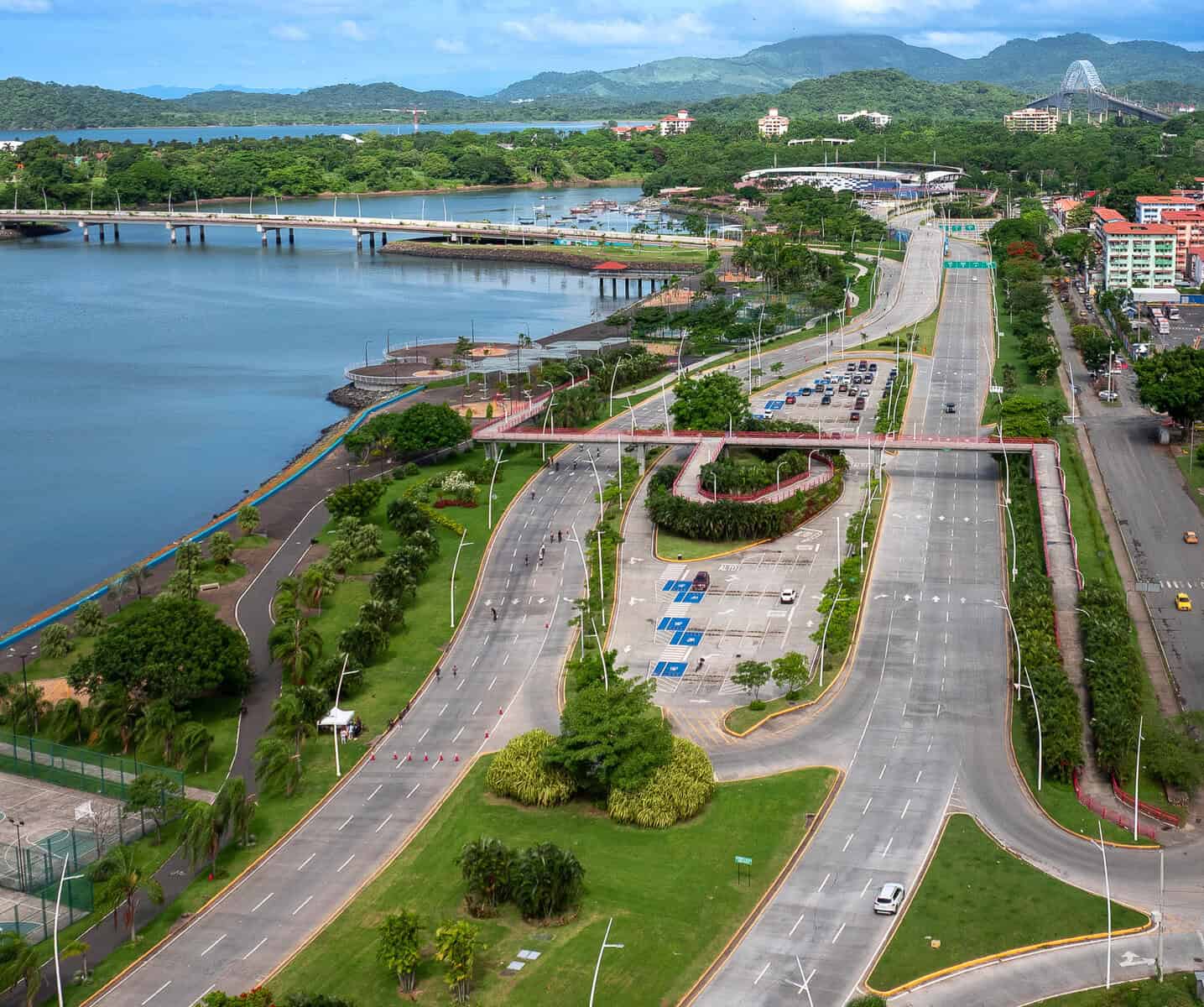
When the Panama Canal was expanded to accommodate a new generation of larger vessels, another enormous volume of rock was excavated. Once again, much of that material found a new purpose. Sections of the Amador Causeway were widened and improved, creating additional space for pedestrians, cyclists, landscaped areas, and scenic viewpoints overlooking the Pacific Ocean and the Panama City skyline.
It is one of those remarkable details that many visitors never discover. The very ground beneath their feet tells the story of two of Panama’s greatest engineering projects, separated by more than one hundred years yet connected by the same practical ingenuity.
The Four Islands of the Amador Causeway
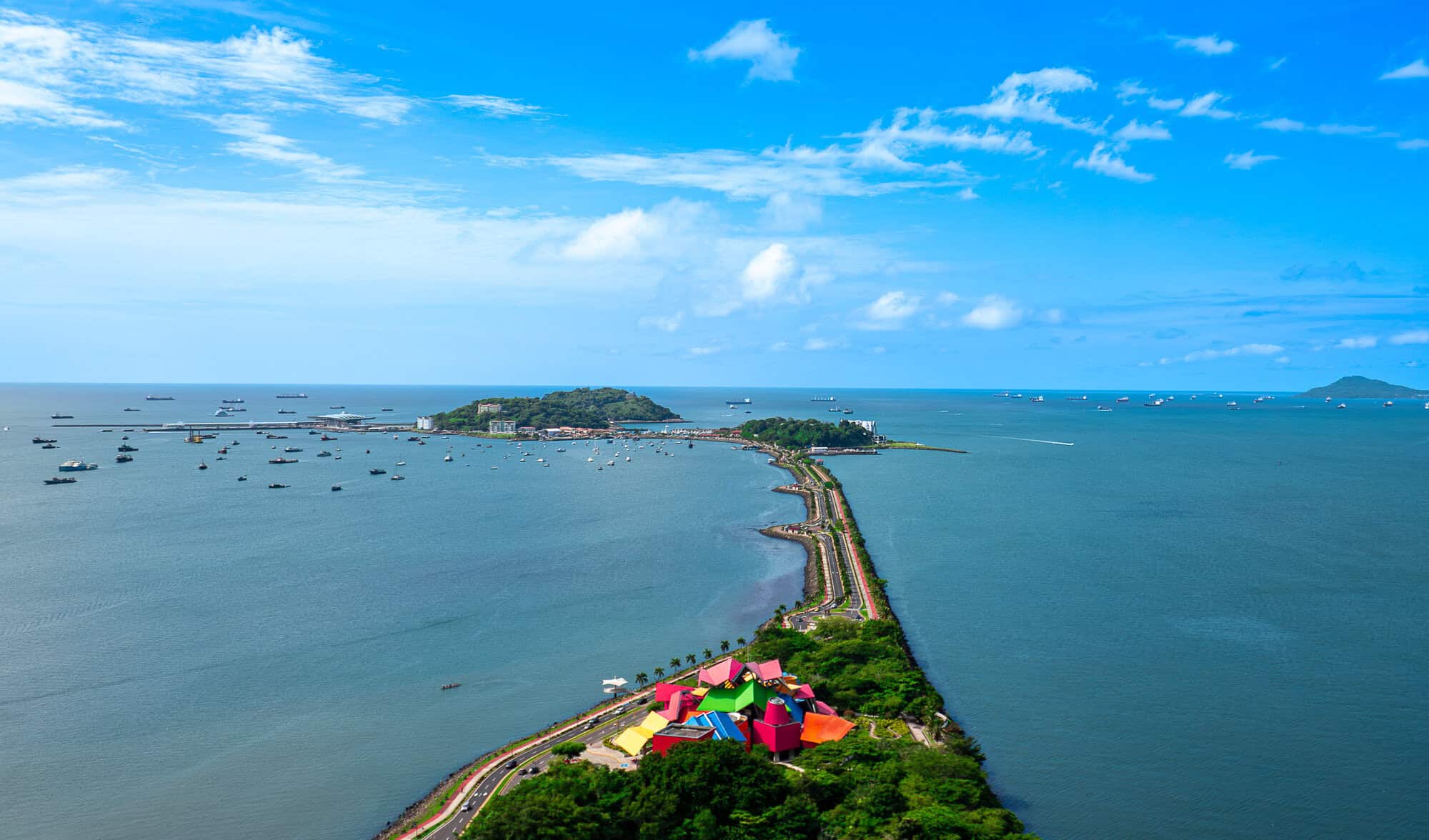
One of the most fascinating aspects of the Amador Causeway is that it does not simply end at a scenic viewpoint. Instead, it connects four islands—Naos, Perico, Culebra and Flamenco—each with its own story and character.
Originally separated from the mainland by the waters of the Pacific Ocean, these islands were linked together using millions of cubic metres of rock excavated during the construction of the Panama Canal. What began as an engineering solution has become one of Panama City’s most popular waterfront destinations.
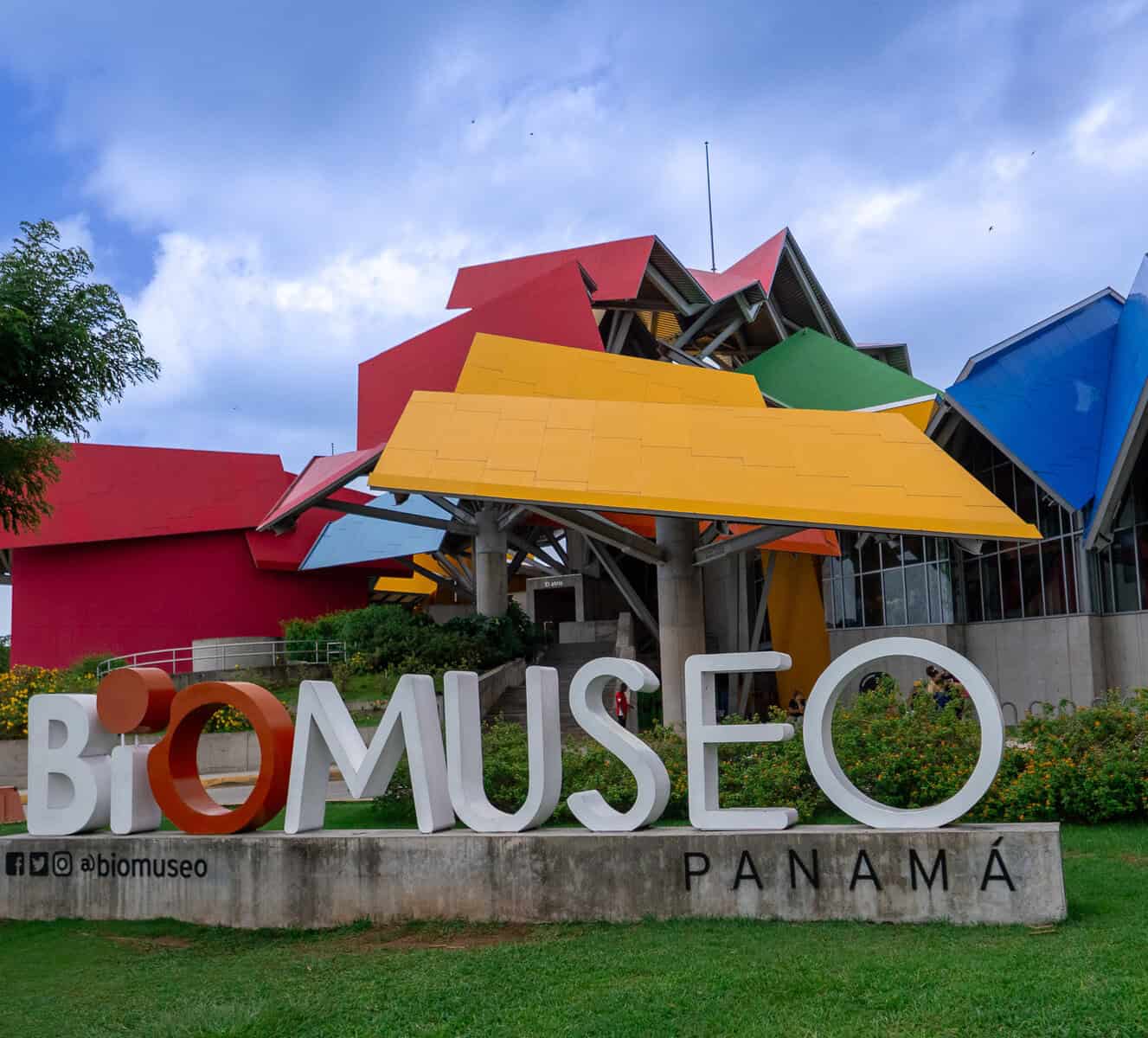
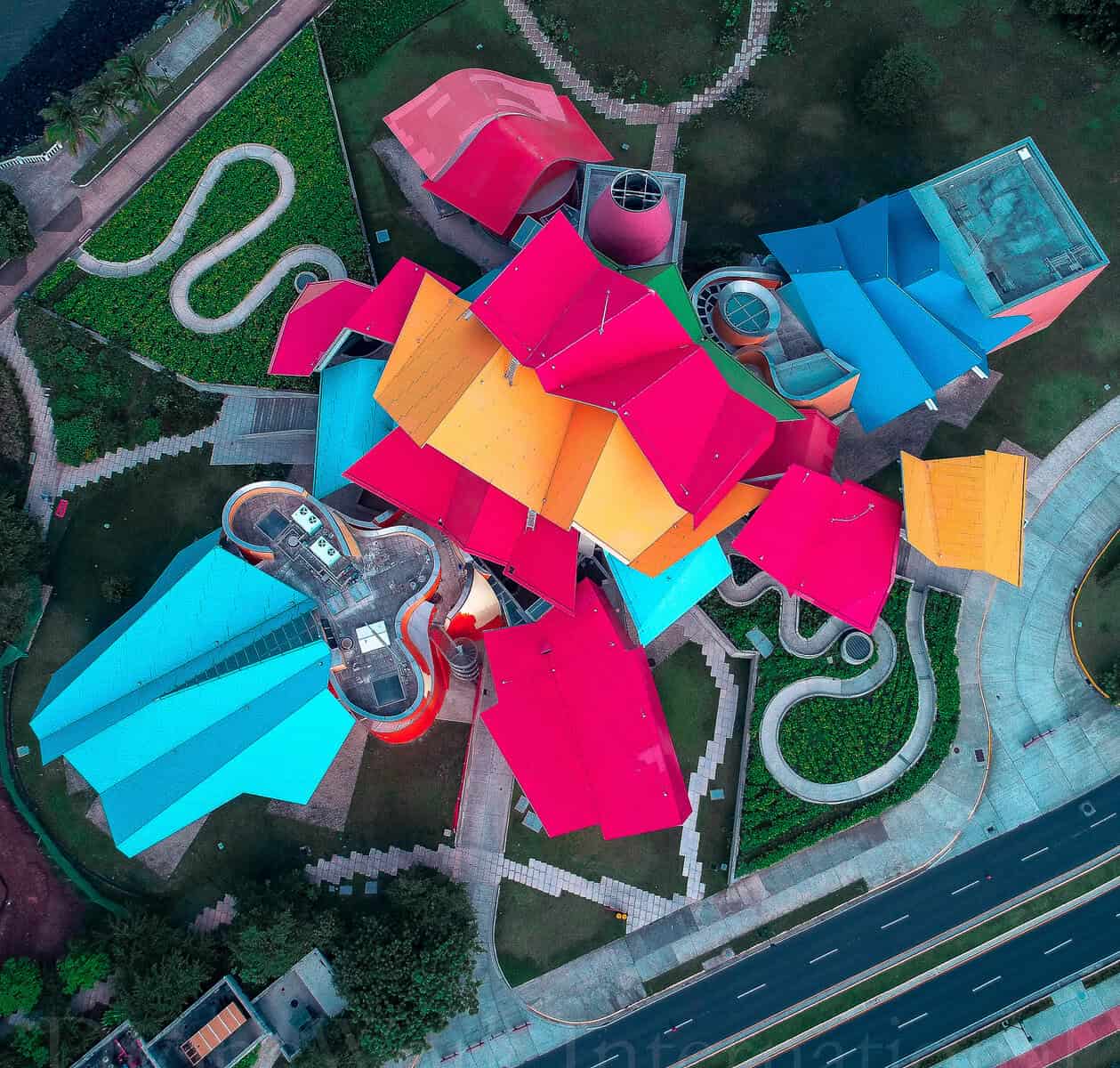
Before crossing onto the islands, visitors pass the iconic Biomuseo, Frank Gehry’s only work in Latin America. While it forms an important part of the Amador experience, the museum is located at the mainland entrance to the Causeway rather than on one of the four islands. Today, the four islands combine military history, marinas, restaurants, walking and cycling paths, scientific research facilities and some of the finest panoramic views in Panama City
Naos Island – History, Science and Panama Canal Views
Naos Island is the first island reached after crossing onto the Amador Causeway. Once a strategic military installation protecting the Pacific entrance to the Panama Canal, it now offers visitors a fascinating blend of history, science, and spectacular scenery.
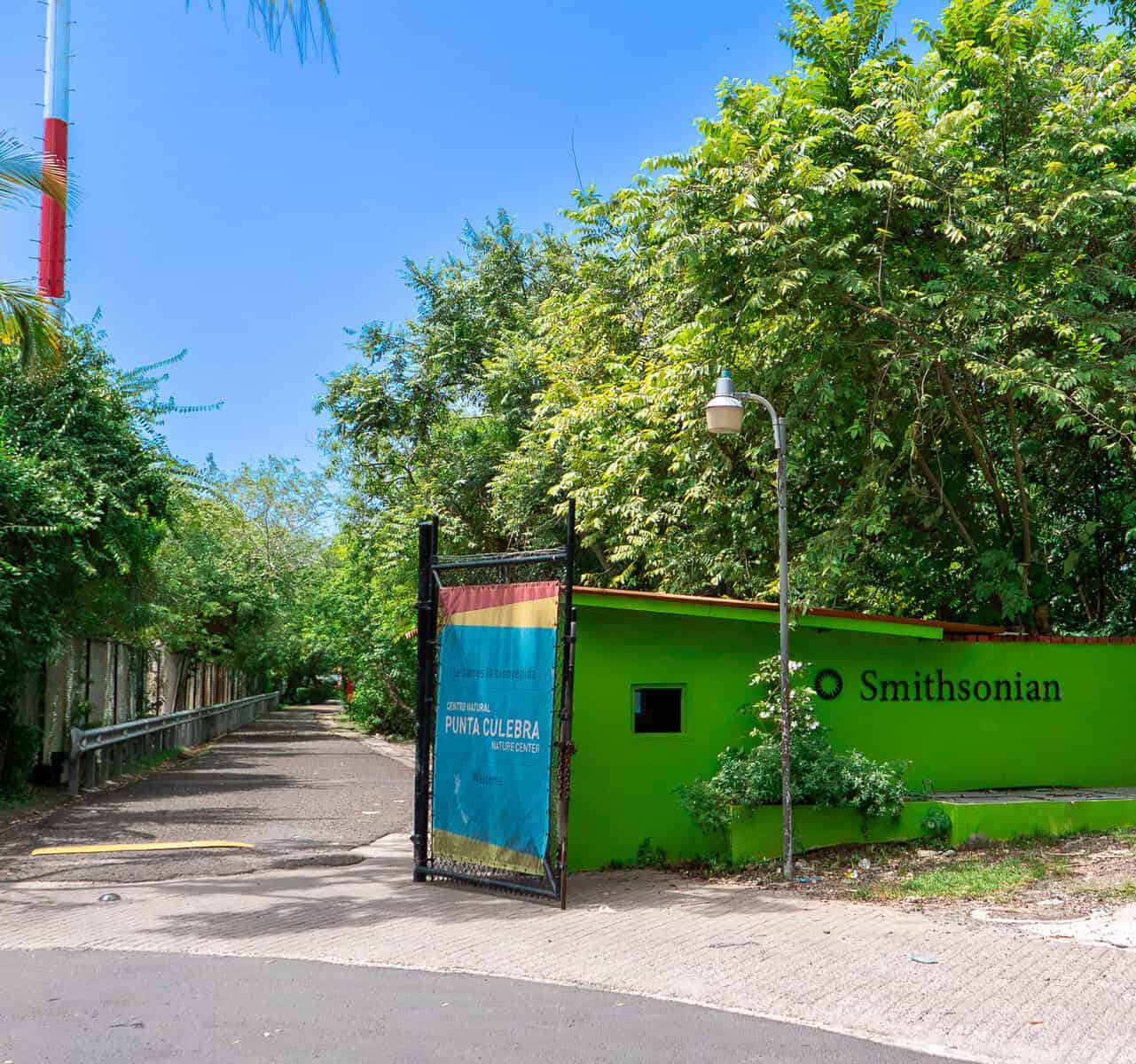
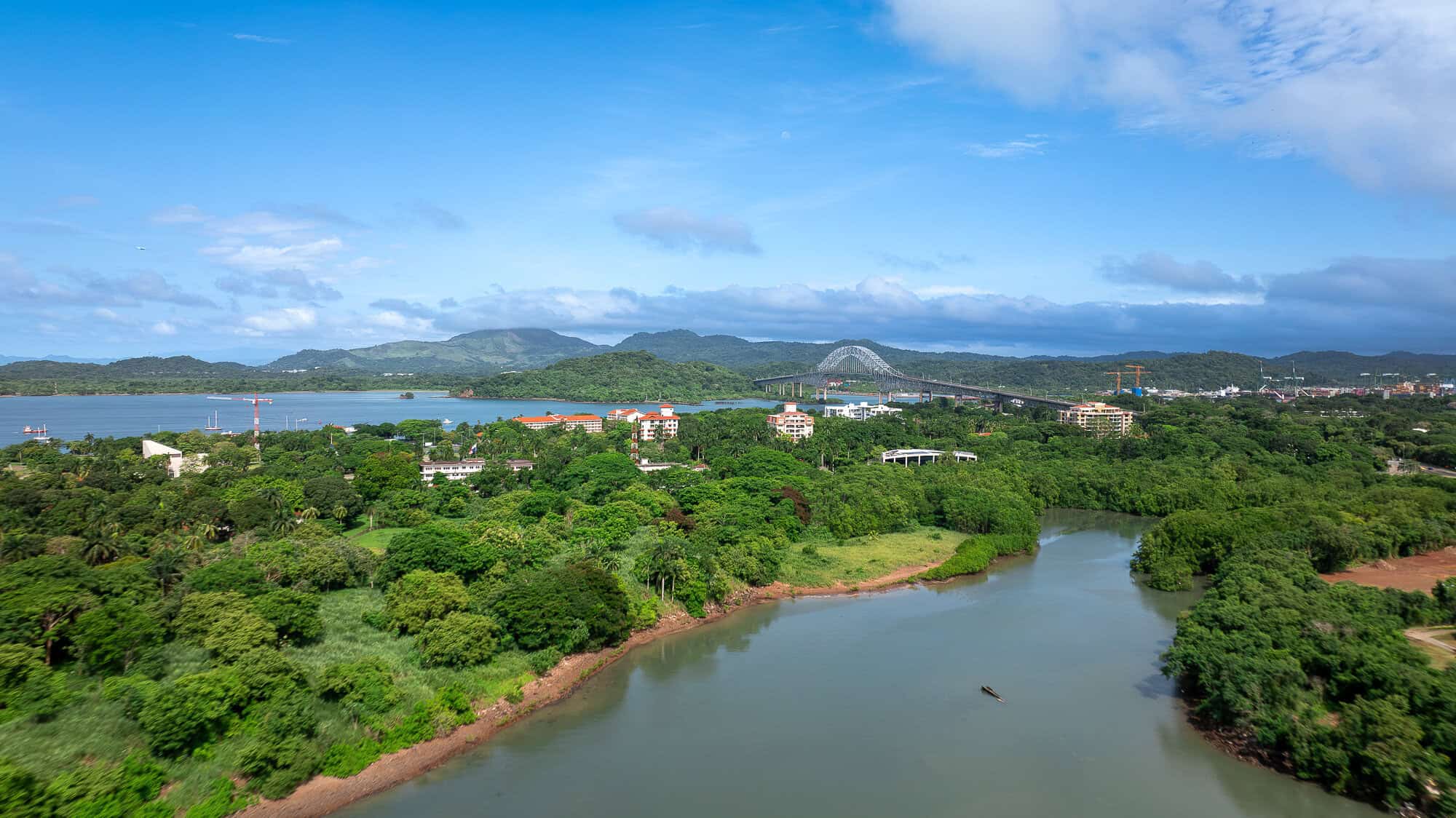
Naos is home to the Smithsonian Tropical Research Institute’s Punta Culebra Nature Center, where visitors can explore marine exhibits, coastal trails and tropical wildlife while learning about Panama’s unique ecosystems. The island also offers exceptional viewpoints overlooking the Pacific entrance to the Panama Canal, where container ships, cruise vessels and tankers pass beneath the Bridge of the Americas.
Perico Island – Dining, Marinas and Waterfront Views
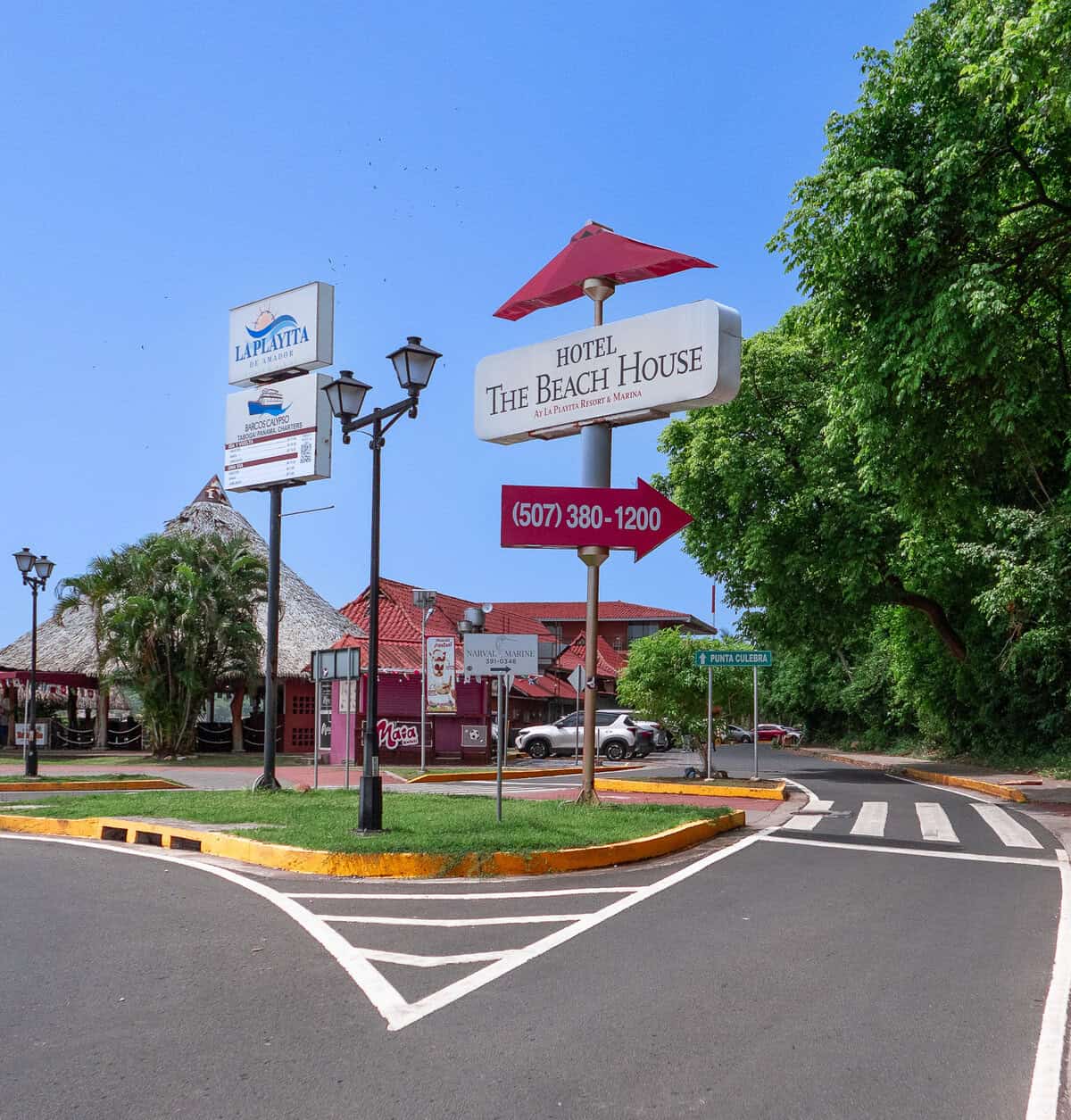
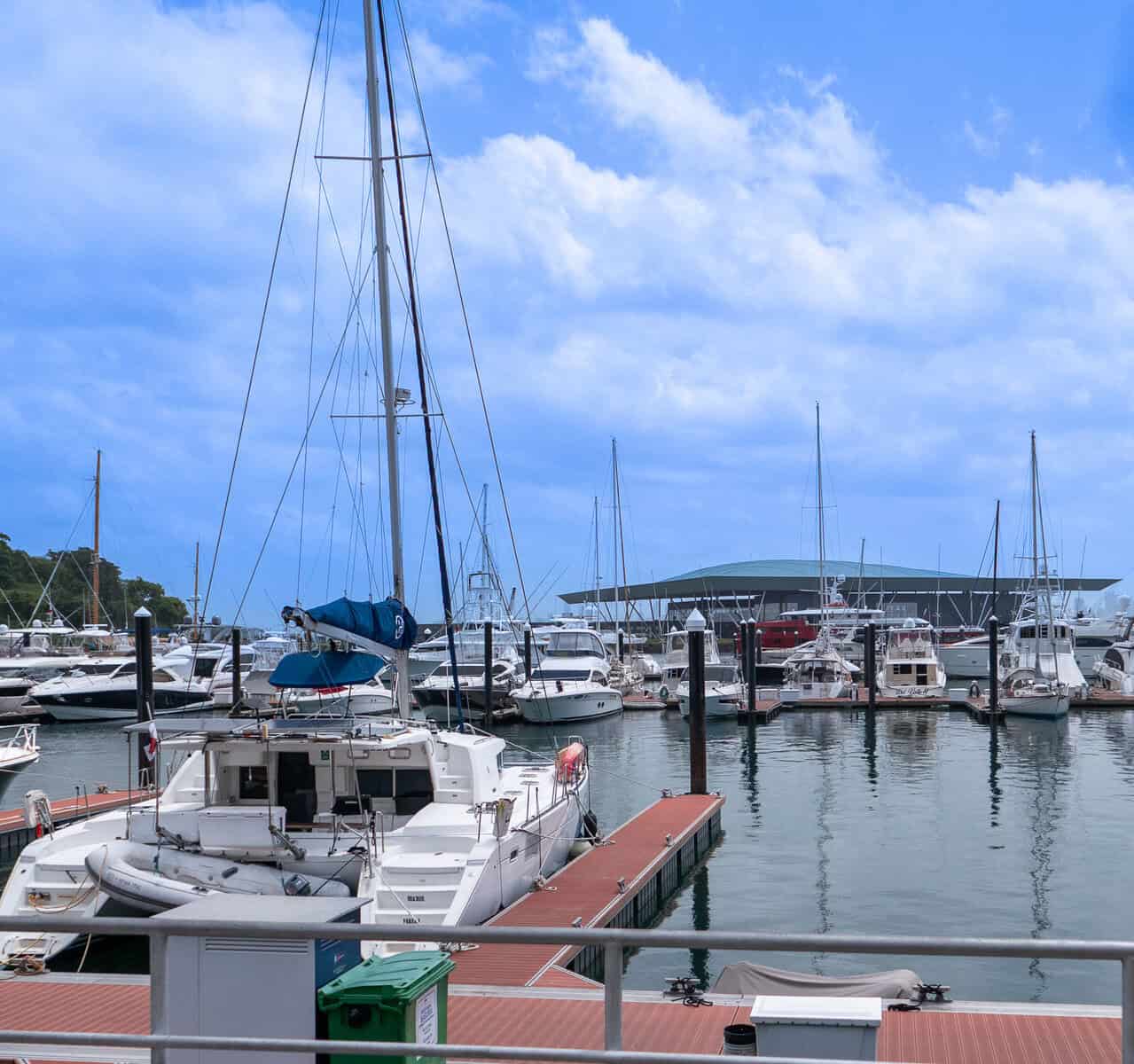
As you continue along the Amador Causeway, Perico Island begins to showcase the more relaxed side of the waterfront. Today, visitors will find a growing selection of restaurants, cafés and marinas, making it an enjoyable place to stop for lunch or simply take in the views across Panama Bay.
One of the pleasures of visiting Perico Island is slowing down. Whether you’re enjoying a meal overlooking the water, watching boats come and go from the marina or simply strolling along the waterfront, the atmosphere is refreshingly different from the pace of downtown Panama City. It is another reminder that the Amador Causeway is much more than a scenic road—it is a destination in its own right.
Culebra Island – A Quieter Side of the Causeway
Culebra Island is often one of the quieter sections of the Amador Causeway. Between the busier restaurant areas of Perico and the marina at Flamenco, it offers open waterfront spaces, excellent cycling and walking paths, and uninterrupted views across Panama Bay and the Panama City skyline.
While it may not have the concentration of visitor attractions found elsewhere along the Causeway, Culebra contributes to the relaxed character that makes Amador such an enjoyable destination. Many visitors pass through without realising they have crossed onto another island, yet its waterfront setting remains an important part of the overall Causeway experience.
Flamenco Island – The Gateway to Adventure
At the far end of the Amador Causeway lies Flamenco Island, where many visitors gather to enjoy the lively marina, waterfront restaurants and sweeping views across the Pacific Ocean.
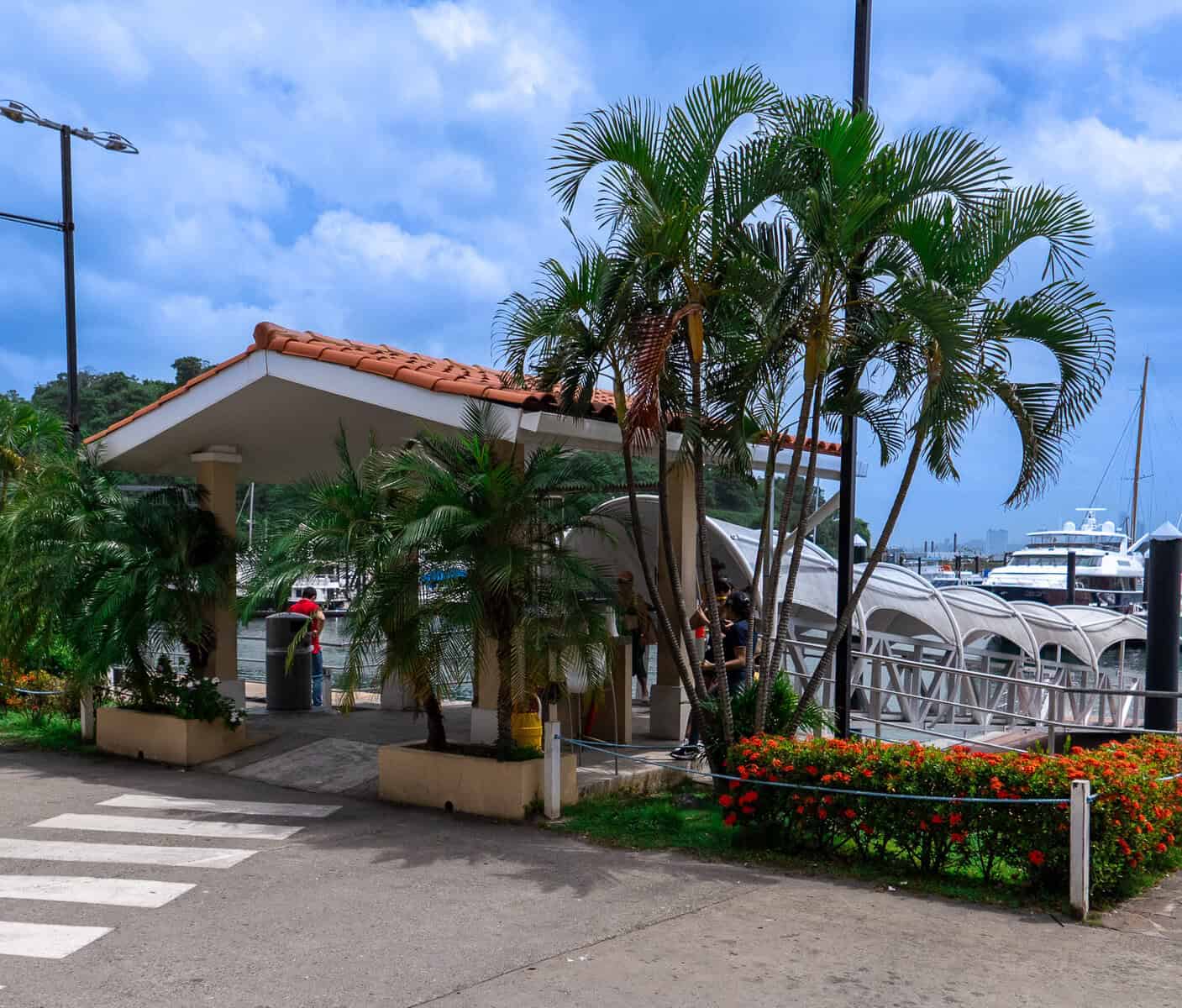
Flamenco Island also serves as the departure point for ferries to destinations such as Taboga Island and the Pearl Islands, making it the gateway to some of Panama’s most popular island excursions. Whether you’re planning a relaxing day trip or a longer island escape, many journeys begin here.
Even if you’re not catching a ferry, Flamenco Island is well worth visiting. The marina, shops, cafés and waterfront promenade create a vibrant atmosphere, while the constant movement of yachts, fishing boats and international ships reminds visitors that Panama has always been a nation closely connected to the sea.
Why the Amador Causeway Should Be on Every Panama Itinerary
One of the reasons I recommend the Amador Causeway to almost every visitor is that it truly offers something for everyone. Whether you’re spending a few days in Panama, arriving on a cruise ship, attending a convention, or simply exploring Panama City, the Causeway brings together history, nature, museums, waterfront dining and spectacular skyline views in one easy-to-reach destination. If you’re planning your visit to Panama, you’ll also find plenty of practical advice in my Plan Your Visit guide.
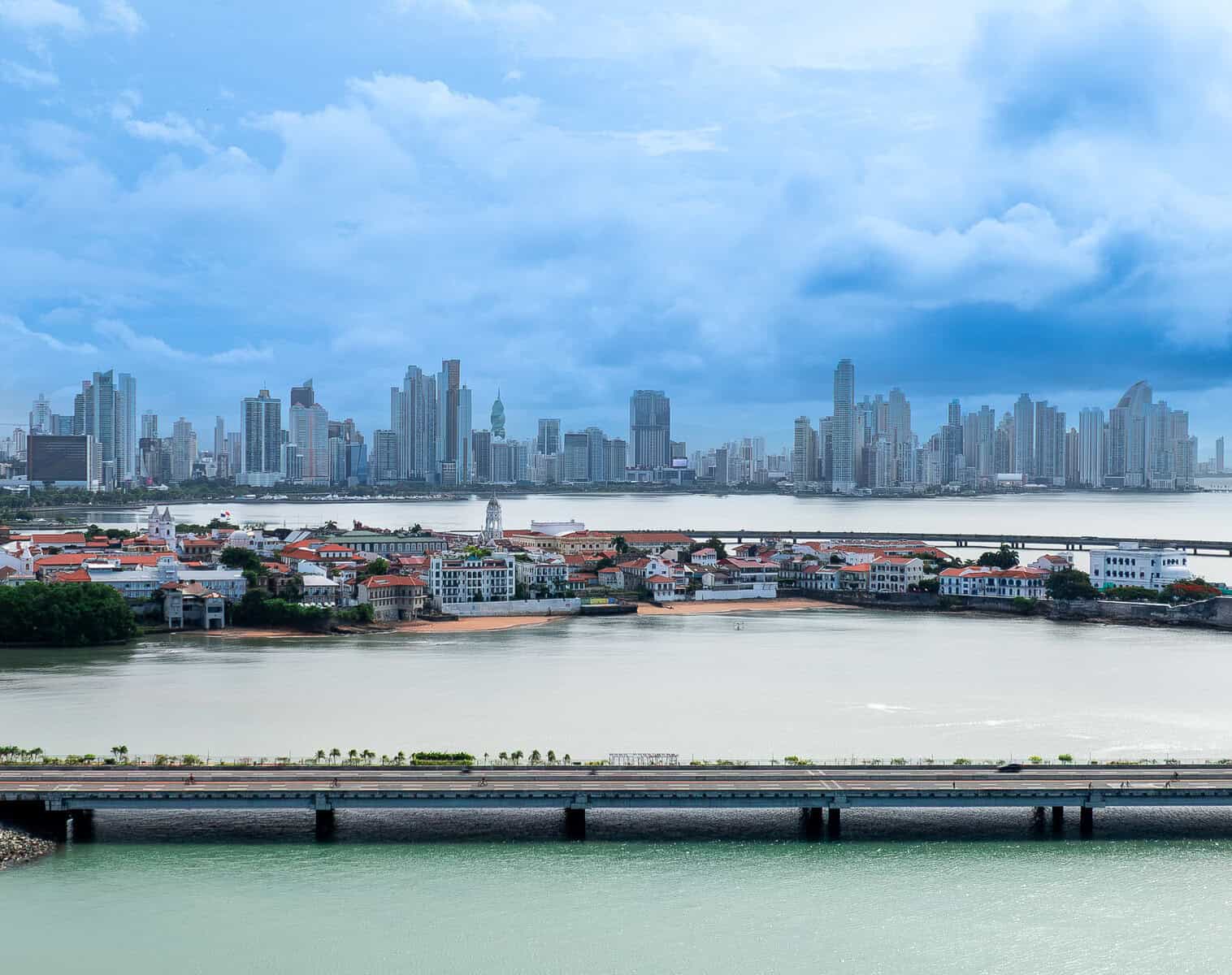
Unlike many waterfronts around the world, the Amador Causeway places you between two remarkable views. On one side, the Pacific Ocean stretches toward the horizon, with ships arriving from around the world as they approach the Panama Canal. On the other, the modern skyline of Panama City rises above the bay, creating one of the most impressive urban panoramas in Latin America.
The Causeway is also one of the easiest places in Panama City to slow the pace. Visitors can walk or cycle along the waterfront, stop for a coffee overlooking the marina, enjoy lunch with ocean views, or simply sit on one of the many benches and watch the world go by. Every visit feels a little different depending on the time of day and the ships passing through the Panama Canal.
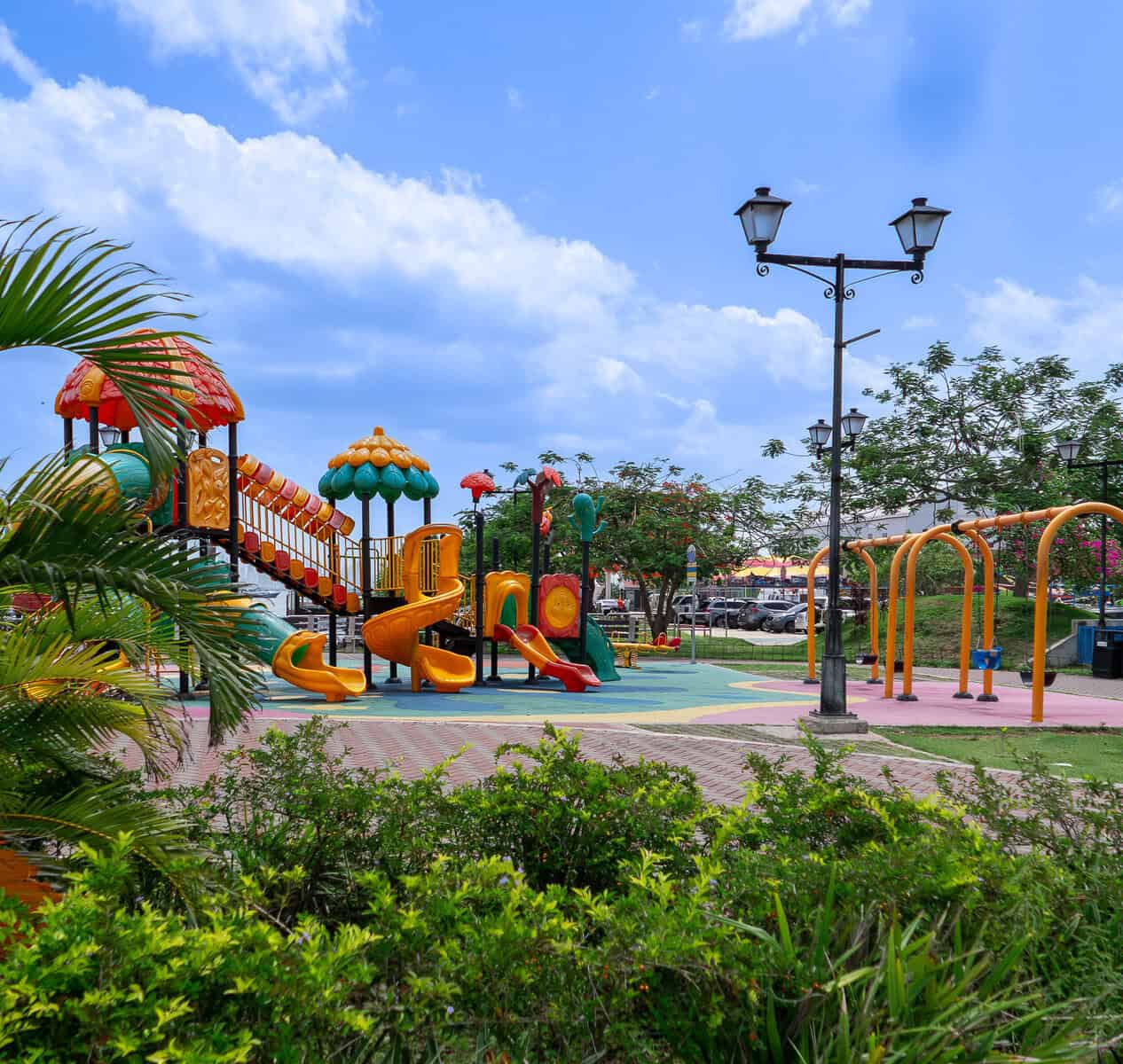
For families, it is an ideal destination. Wide walkways, cycling paths, open green spaces, and attractions nearby make it easy to spend several enjoyable hours here. It is equally appealing for photographers, joggers, couples, and anyone wanting to experience a different side of Panama City away from the busy streets of the financial district.
After living in Panama since 2008, I still find myself returning to the Amador Causeway. It is one of those places that remind you why Panama is such a unique destination, bringing together engineering, history, nature, and spectacular scenery in a way that very few cities can offer.
Things to Do at the Amador Causeway
One of the reasons the Amador Causeway appeals to so many visitors is the variety of experiences it offers. Whether you have an hour to spare or an entire day to explore, you’ll find plenty to see and do while enjoying one of Panama City’s most scenic waterfront locations.
Walk or Cycle Along the Waterfront
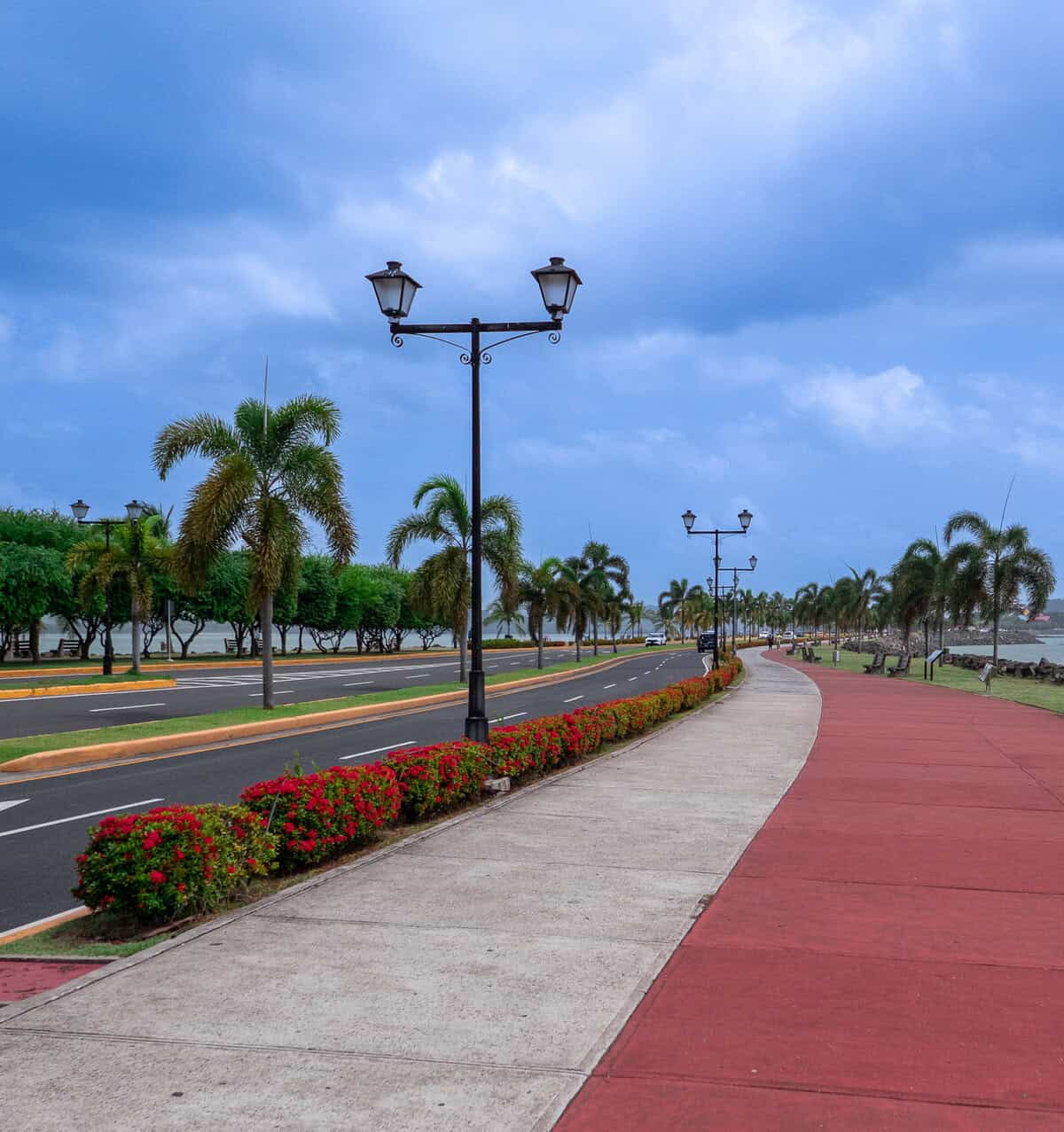
The Amador Causeway is one of the best places in Panama City to enjoy a leisurely walk or rent a bicycle. Wide pedestrian paths and dedicated cycling lanes make it easy for visitors of all ages to explore at their own pace while taking in panoramic views of the Pacific Ocean, the Panama Canal and the city skyline.
Watch Ships Enter and Leave the Panama Canal
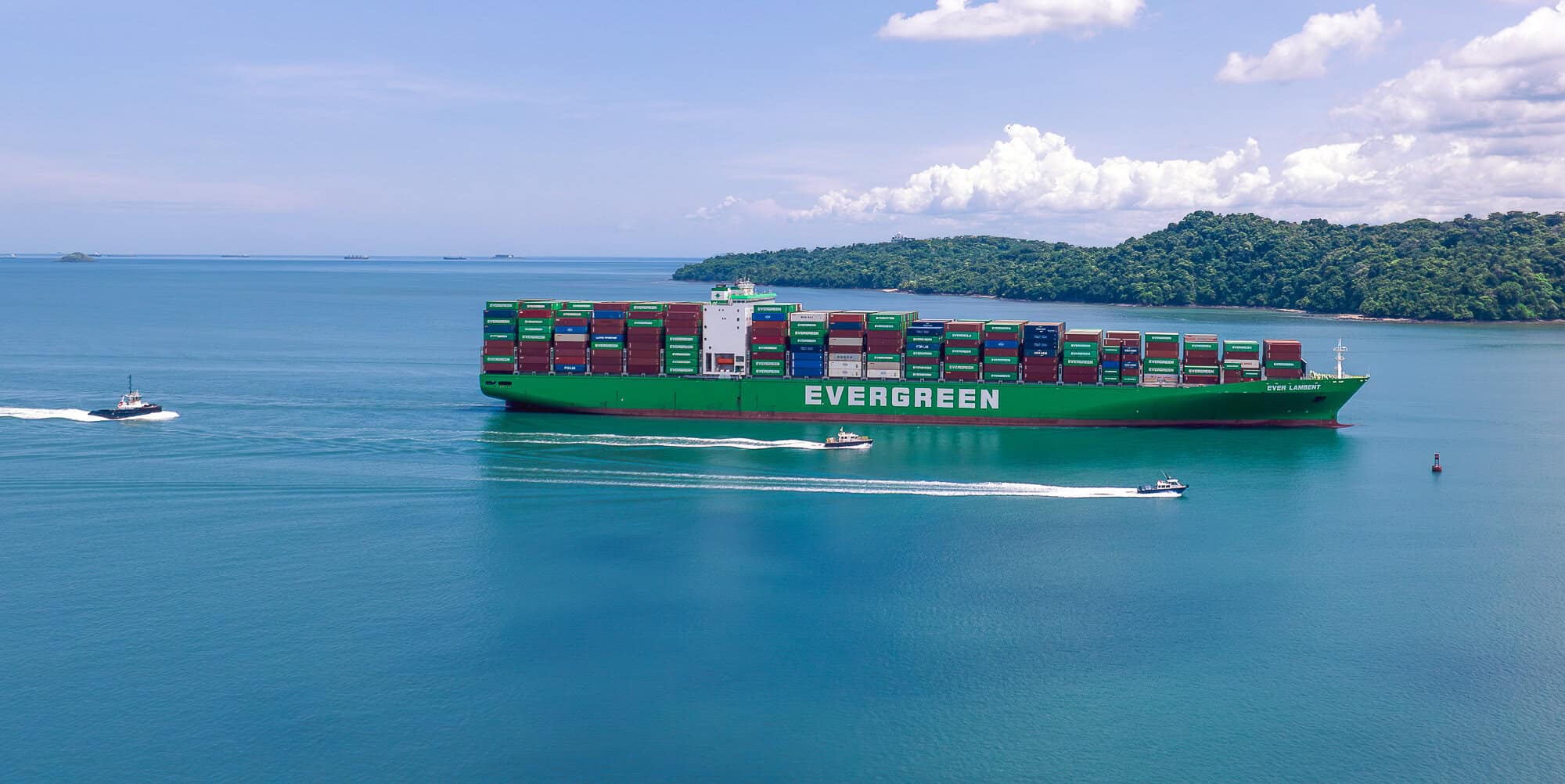
Few places allow you to experience the scale of global shipping quite like the Amador Causeway. Throughout the day, visitors can watch container ships, cruise ships, tankers and vehicle carriers navigating beneath the Bridge of the Americas as they enter or leave the Pacific entrance to the Panama Canal.
Visit Museums and Nature Attractions
The Amador Causeway is home to some of Panama City’s most popular attractions, including the world-famous Biomuseo and the Smithsonian’s Punta Culebra Nature Center. Together they provide visitors with an opportunity to learn more about Panama’s biodiversity, wildlife and the extraordinary role the Isthmus of Panama has played in the natural history of our planet.
Enjoy Waterfront Dining
Whether you’re looking for a morning coffee, a relaxed lunch or dinner overlooking the marina, the Amador Causeway offers a variety of restaurants and cafés where visitors can relax and enjoy the waterfront atmosphere.
Capture One of Panama City’s Best Skylines
Don’t forget to turn around.
One of the most spectacular views isn’t looking out to sea—it’s looking back towards Panama City. The skyline stretches across the bay, creating one of the most impressive panoramic views in Latin America and one of my favorite places to photograph the city.
Begin Your Island Adventure
For visitors wanting to explore beyond Panama City, the Amador Causeway is also the gateway to island adventures. Ferries departing from the marina provide easy access to Taboga Island for a relaxing day trip, while services to the Pearl Islands open the door to some of Panama’s most beautiful beaches and island resorts.
When Is the Best Time to Visit the Amador Causeway?
The best time to visit the Amador Causeway depends on the kind of experience you want. For walking, cycling, and photography, early morning is hard to beat. The temperature is more comfortable, the light is softer, and the waterfront feels fresh before the heat of the day settles in.
Sunday Mornings
Sunday morning is one of my favorite times to experience the Amador Causeway. Families, cyclists, joggers, and walkers come out to enjoy the waterfront, creating a relaxed community atmosphere that gives visitors a wonderful glimpse of local life in Panama City.
Late Afternoon and Sunset
Late afternoon is another excellent time to visit, especially if you want skyline photos or views across the Pacific Ocean. As the sun begins to drop, the city takes on a different character, and the Causeway becomes one of the best places to appreciate just how dramatic Panama City’s waterfront really is.
How Much Time Should You Allow?
If you only want to walk, take photos, and enjoy the views, allow at least two hours. If you plan to visit Biomuseo, explore Punta Culebra, rent bicycles, or enjoy lunch by the marina, the Amador Causeway can easily become a half-day outing.
For many visitors, that is exactly what makes it so appealing. It is easy to reach from Casco Viejo, simple to enjoy at your own pace, and flexible enough to fit into almost any Panama itinerary.
The Transformation of Panama City’s Waterfront
During my eighteen years living in Panama, few parts of the city have changed as dramatically as the Pacific waterfront. The Amador Causeway has certainly evolved, but so has everything leading to it.
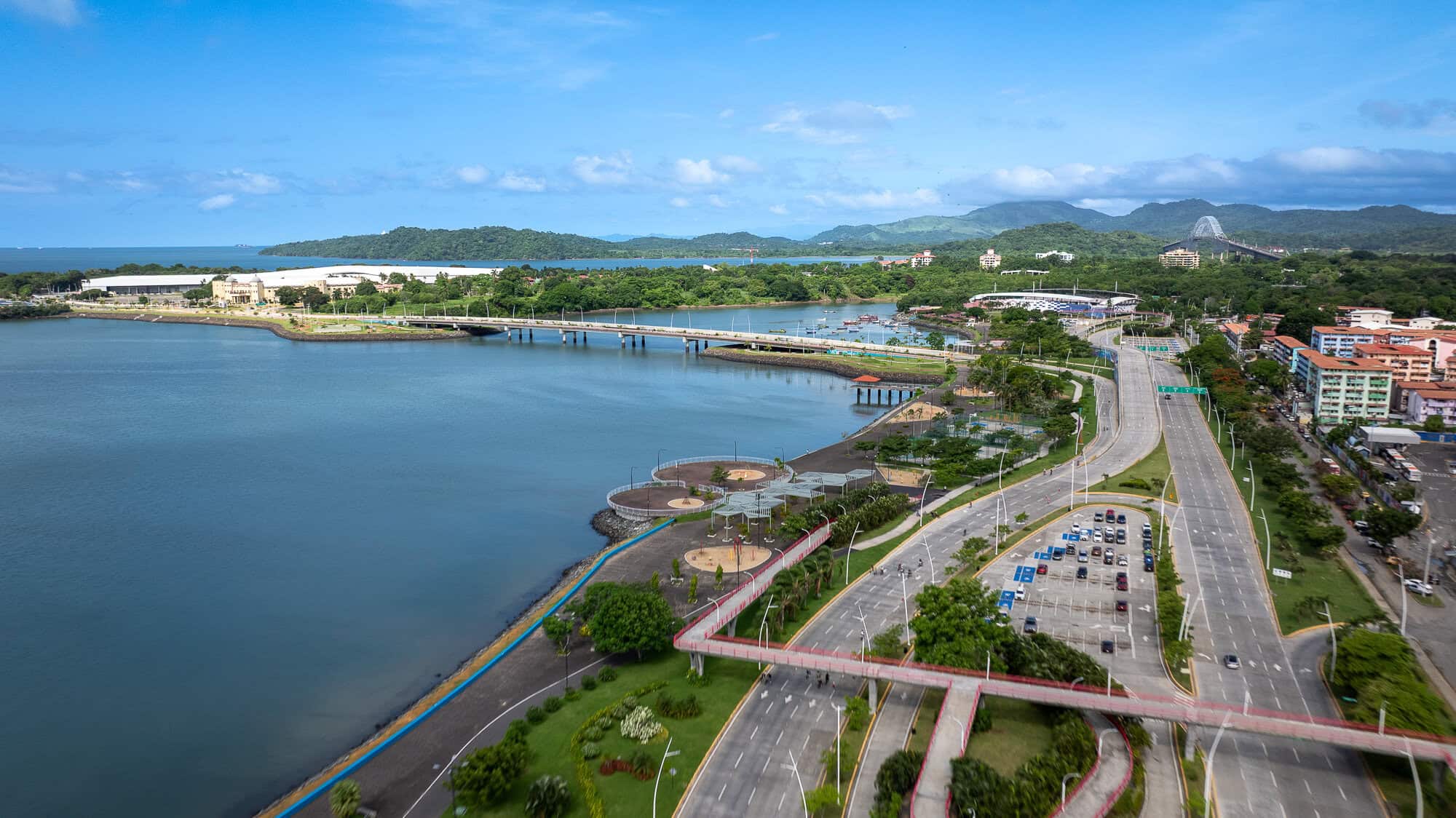
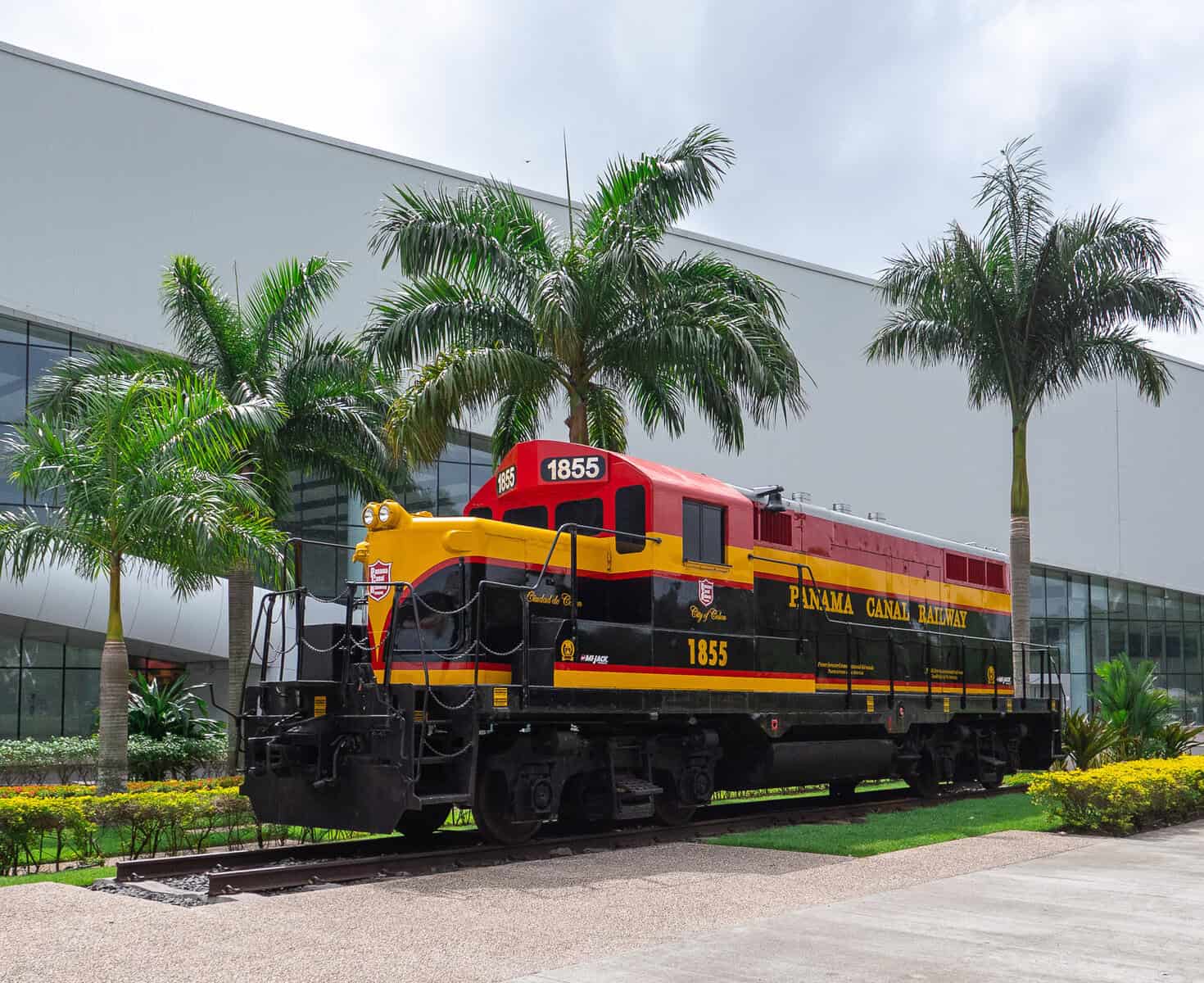
When I first arrived in 2008, the waterfront looked very different. Since then, the construction of Cinta Costera I, II, and III has transformed the shoreline into one of Panama City’s greatest public spaces. Wide promenades, dedicated cycling paths, landscaped parks, and recreational areas have created an almost continuous waterfront connecting the modern city with Casco Viejo and the Amador Causeway.
One of the most significant improvements has been the road and bridge connections that make reaching the Amador easier than ever. What was once simply a scenic drive has become part of a connected waterfront experience that residents and visitors can enjoy by foot, bicycle or vehicle.
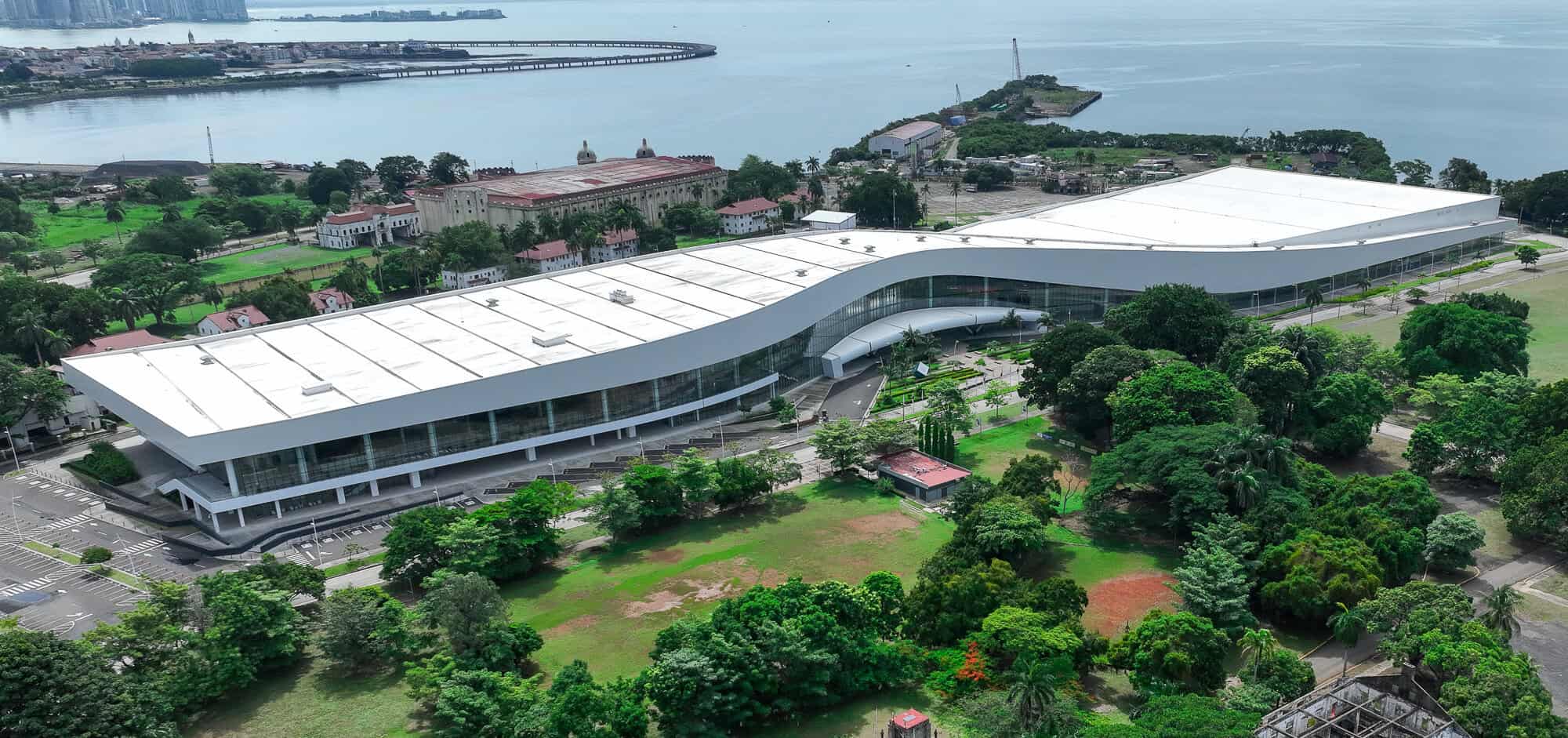
The opening of the Panama Convention Center has brought thousands of international delegates to this side of the city, while the nearby cruise terminal now welcomes visitors from around the world arriving by sea. Together, they have strengthened the Amador Causeway’s position as one of Panama’s premier tourism destinations.
Perhaps what impresses me most is how the waterfront has been designed for everyone. On Sunday mornings, families, cyclists, joggers, and walkers fill the pathways, enjoying one of the safest and most enjoyable outdoor experiences in Panama City. It has become a place where local residents and international visitors share the same spectacular scenery, whether they are exercising, relaxing, or simply admiring the view.
Looking back over the past eighteen years, it is remarkable to see how individual projects have come together to create something much greater than anyone could have imagined. Today, the Amador Causeway is no longer just a historic road connecting four islands it is the centerpiece of a vibrant waterfront that reflects Panama City’s continued growth as one of the most exciting destinations in the Americas.

One of the Best Views in Panama City
There are many beautiful viewpoints in Panama, but few offer the unique perspective you’ll find along the Amador Causeway.
Standing beside the Pacific Ocean, you’re surrounded by water on almost every side. Looking in one direction, enormous container ships, cruise vessels, car carriers, and tankers make their way towards the Pacific entrance of the Panama Canal, passing beneath the Bridge of the Americas before continuing their journeys around the world.
Turn around, and the view changes completely.
The skyline of Panama City stretches across the bay in a way that surprises many first-time visitors. Modern skyscrapers rise above the waterfront, creating a panorama that is often compared to some of the world’s great coastal cities. It is one of my favourite places to photograph the city because it captures both Panama’s natural beauty and its remarkable growth.
Spend a little time here, and you’ll notice something else. Aircraft approaching Panama City can often be seen making their final turn before landing, adding another reminder that Panama has become one of the most important transportation hubs in the Americas.
Perhaps what I enjoy most is simply the feeling of being surrounded by water. For visitors arriving from cities where the ocean is rarely part of everyday life, the Amador Causeway offers a refreshing sense of space, fresh air, and openness that is difficult to describe until you experience it yourself. It is one of those places where I always encourage visitors to slow down, find a bench, and simply watch Panama unfold around them.
A Perfect Half-Day Excursion from Casco Viejo
One of the reasons I recommend the Amador Causeway so often is that it is incredibly easy to include in almost any Panama City itinerary. Whether you’re visiting for a few days, staying in Casco Viejo, or attending a convention, the Causeway offers a relaxing change of pace without requiring a full day’s commitment.
I normally suggest taking an Uber rather than renting a car. The journey is straightforward and affordable, and it allows you to enjoy the experience without worrying about traffic or parking. Within a short time, you’ll find yourself surrounded by the Pacific Ocean with some of the finest waterfront views in the city.
Once you arrive, there is no need to rush. Walk along the waterfront, stop to watch ships entering or leaving the Panama Canal, enjoy the changing views of the Panama City skyline and simply take in the atmosphere. If you enjoy cycling, bicycles and family cycles are available to rent, making it easy to explore the entire Causeway at your own pace.
If time allows, visit Biomuseo or the Smithsonian’s Punta Culebra Nature Center before stopping for lunch overlooking one of the marinas. It is the kind of outing that appeals equally to couples, families, photographers, and anyone who enjoys being close to the water. For visitors with a little more time, the Amador Causeway also becomes the gateway to further adventures. Ferries depart for Taboga Island and the Pearl Islands (need overnight stay), making it easy to extend your day into an unforgettable island escape.
Whether you spend two hours or most of the day here, the Amador Causeway delivers something that few destinations can offer a unique combination of history, engineering, nature and some of the most memorable waterfront scenery in Panama.
Fast Facts About the Amador Causeway
- Location: Pacific entrance to the Panama Canal, approximately 10–15 minutes from Casco Viejo by Uber.
- Length: Approximately 6 kilometers (3.7 miles), connecting the mainland with four islands.
- The Four Islands: Naos, Perico, Culebra and Flamenco.
- Built from: Rock excavated during the original construction of the Panama Canal.
- Expanded using excavated material from the Panama Canal Expansion project.
- Perfect For: Walking, cycling, photography, families, waterfront dining and watching ships transit the Canal.
- Major Attractions: Biomuseo, Smithsonian Punta Culebra Nature Center, marinas, waterfront restaurants and ferry terminal.
- Best Time to Visit: Early mornings, Sunday mornings and late afternoons.
- Time Required: Two hours to half a day, depending on your itinerary.
- Transportation: Uber is my recommended way to visit.
Frequently Asked Questions
Absolutely. In my opinion, it is one of the highlights of Panama City and offers a unique combination of history, scenery, recreation, and views of the Panama Canal.
Most visitors should allow at least half a day to enjoy the waterfront, attractions, restaurants and panoramic views.
Yes. Bicycle and family cycle rentals are available, making it one of the most enjoyable ways to explore the Causeway.
Yes. The Amador Causeway is one of the best places to watch ships entering and leaving the Pacific entrance of the Panama Canal.
Very much so. Wide pathways, open spaces, museums, and waterfront attractions make it an excellent destination for visitors of all ages.
Uber is my preferred recommendation. It is affordable, convenient, and the easiest way to reach the Amador Causeway from Casco Viejo or downtown Panama City.
Yes. Ferries depart from Flamenco Island, making the Amador Causeway the starting point for day trips to Taboga Island and longer excursions to the Pearl Islands.
Final Thoughts
If you’re planning a visit to Panama, I genuinely believe the Amador Causeway deserves a place on your itinerary.
It tells the story of Panama’s engineering achievements, showcases the country’s extraordinary natural setting, and demonstrates how thoughtful investment can transform a historic landmark into one of the finest public waterfronts in Latin America.
Whether you spend an hour taking photographs, enjoy a leisurely lunch overlooking the marina, visit Biomuseo, cycle the waterfront, or simply sit and watch ships pass beneath the Bridge of the Americas, you’ll leave with a deeper appreciation of what makes Panama so special.
Looking back, I often think about that flight in February 2008 and the kindness Carmen showed two visitors who knew very little about the country they had come to explore. She introduced us to her Panama.
Eighteen years later, it has been my privilege to introduce thousands of visitors to mine.
Thank You for Reading
Thank you for taking the time to read this blog. I hope it has given you a greater appreciation for the Amador Causeway—not only as one of Panama City’s most beautiful waterfront destinations, but as a place with a remarkable history and a very special place in my own Panama story.
If you’re planning a visit to Panama, I’d love to help you discover even more. Here are a few guides that pair perfectly with the Amador Causeway:
- 🏛️ Casco Viejo Self-Guided Walking Tour — Explore the history, landmarks and hidden streets of Panama City’s UNESCO World Heritage Site.
- 📍 Casco Viejo Boundaries — Understand where Casco Viejo begins, where it ends and why those boundaries matter.
- 🏨 Where to Stay in Casco Viejo — Personally recommended hotels selected for their location, service and visitor experience.
I look forward to welcoming you to Panama.
— James P. Rice
Founder & Publisher, CascoViejo360.com
Casco Viejo Walking Tour
Explore Casco Viejo at your own pace with a flexible self-guided walking route designed for your phone.
- No groups, no schedules
- Start anywhere, stop anywhere
- Works on phone or desktop
Panama City In 24 Hours
A carefully paced local itinerary for travelers with limited time who still want to experience Panama properly.
- Arrival day made simple
- Rooftops, dining & local rhythm
- Smart airport timing
Three Nights & Four Days
A flexible Panama itinerary centered around Casco Viejo, designed to help you arrive calmly and plan with confidence.
- Casco Viejo as your base
- Smart day trips and dining
- Timing without overplanning
Where to Stay in Casco Viejo
Not every hotel fits every traveler. This curated guide breaks down the top properties by atmosphere, location, design, and who they’re truly right for.
SEE THE BEST HOTELSThe Top Six Restaurants in Casco Viejo
If you only have a few nights, these are the tables that matter. Thoughtfully selected, personally experienced, and chosen for food, setting, and consistency.
VIEW THE TOP SIXOut & About with James
Walk the streets through local eyes. Stories, cultural insights, new openings, quiet corners, and the evolving rhythm of Casco Viejo — week by week.
READ THE LATEST BLOGSJames P. Rice
James P. Rice purchased a home in Casco Viejo in 2008 and brings more than 40 years of hospitality, restaurant, tourism, and convention industry experience to CascoViejo360.com.
His background includes leadership positions with Ritz-Carlton and Hyatt Hotels, executive roles with major convention centers, and ownership of restaurants and pubs in both the United Kingdom and the United States.
Every article, hotel, restaurant, rooftop venue, attraction, and experience featured on CascoViejo360.com is selected through local knowledge, personal experience, and professional review, with careful consideration given to visitor experience, service standards, authenticity, and its contribution to the overall Casco Viejo and Panama City visitor experience.