
Casco Viejo vs Cartagena: Which Historic Destination Should You Visit?
Introduction
I waited before writing this Casco Viejo vs Cartagena comparison. Quick opinions are cheap, and destinations deserve something better. After Casco Viejo 360 completed its first year, the same question kept arriving. How does our historic quarter compare with Cartagena, Colombia? I understood why people asked. Both places offer tiled roofs, church towers, shaded courtyards, balconies, plazas, and tropical water. From a distance, they appear to belong in the same family. Spend several days inside them, however, and their personalities move in very different directions.
I visited Cartagena immediately before COVID-19 changed international travel. I stayed four nights inside the Walled City and explored from morning until late evening. I also visited Bocagrande, including its beachfront hotels and residential towers. I wanted to understand the whole destination, rather than photograph several colorful doors and fly home.
My judgement comes from more than that single visit. I have spent over forty years working in hotels, restaurants, convention centers, meetings, and destination events. I have also owned a home in Casco Viejo since 2008. Tourism is not something I observe from a desk. It has shaped most of my adult life. Cartagena impressed me, but it also tired me. Casco Viejo still frustrates me sometimes, yet it continues revealing new layers. This article explains those differences without pretending either destination suits everybody.
Casco Viejo vs Cartagena: The Short Answer
Choose Cartagena for a confident, energetic holiday built around hotels, nightlife, entertainment, and a highly developed tourism economy. Its Walled City delivers colour, movement, polished service, and Caribbean atmosphere with remarkable certainty.
Choose Casco Viejo for a more intimate connection with history, civic life, restaurants, museums, rooftops, and modern Panama City. It offers less pressure on the street and greater variety beyond the historic district.
Cartagena is the stronger leisure machine. Casco Viejo provides the broader introduction to a country. That difference matters more than any list declaring a universal winner.
A Necessary Note About Timing
My Cartagena visit occurred just before the pandemic. The photographs and personal observations in this article come from that four-night stay. Hotels, airports, services, and neighbourhoods will have evolved since then.
Current logistical details were therefore checked against official tourism, airport, hotel, convention, and government sources. My emotional response remains personal. Nobody can update how a place felt when I walked through it. This distinction keeps the comparison fair and prevents Cartagena from being judged entirely through an old snapshot.
The Journey Between Panama City and Cartagena
Leaving Casco Viejo for Cartagena felt surprisingly easy. The direct flight from Panama City takes roughly one hour in the air. Copa Airlines continues to list Panama to Cartagena among its routes. Tocumen International Airport operates as a major regional hub. Its scale creates longer walks, yet the process feels designed for international movement. Cartagena’s Rafael Núñez International Airport feels smaller and more immediate.
The Cartagena airport sits within the urban area. Official guidance places the historic centre about ten minutes away under normal conditions. Authorized taxi stations operate at both domestic and international exits. That compact arrival has real value. There is no long procession through distant suburbs before the holiday begins. The city meets you quickly, and the old walls soon announce themselves.
Panama offers the stronger connection network. Cartagena offers the faster transition from aircraft to historic streets. Each airport performs a different job.
First Impressions Inside Cartagena’s Walled City
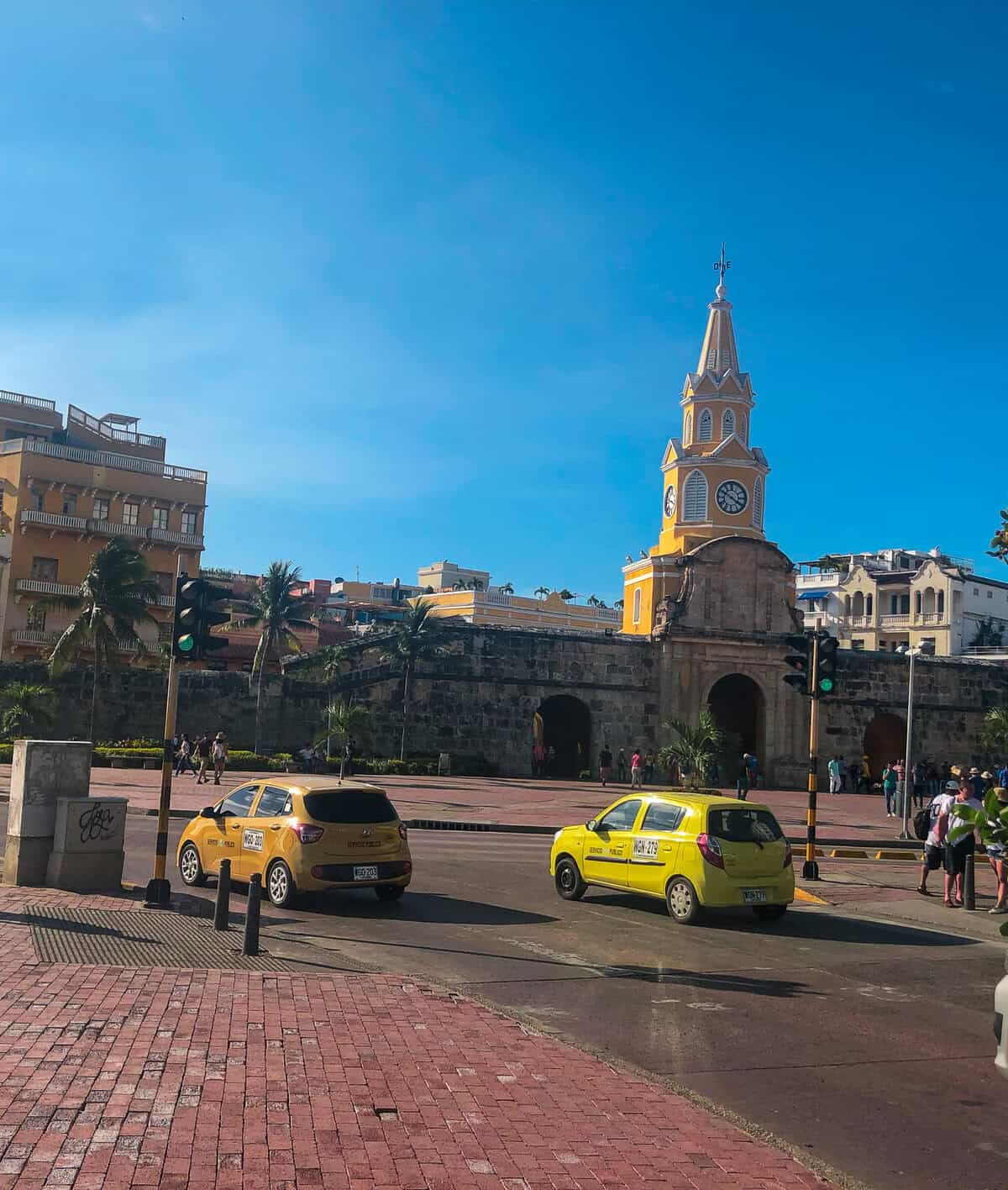
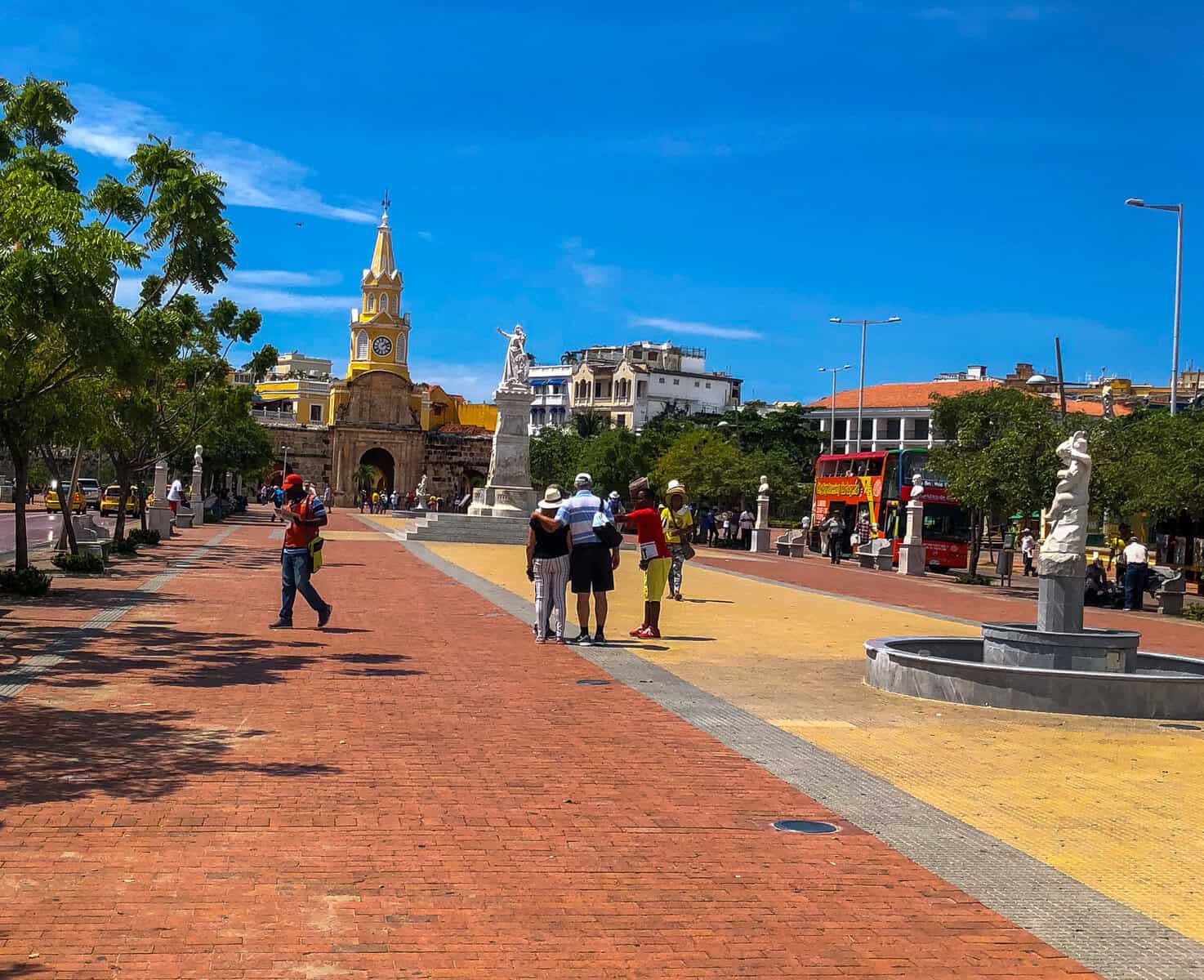
Cartagena knows how to make an entrance. The walls have weight, scale, and theatre. Church towers rise above stone fortifications, while bright buildings gather around plazas already busy with visitors. The first sensation is organization. Tourism has a visible place in the economy, and everyone appears to understand their role. Restaurants occupy old houses without losing their character. Hotels conceal pools and courtyards behind heavy doors.
The streets are flat, easy to understand, and organized around people walking, eating, drinking, shopping, and taking photographs. Even traffic seems to accept that pedestrians dominate the central experience. Cartagena’s UNESCO designation includes its port, fortifications, and monumental buildings. The walls create a dramatic enclosure, separating the Walled City emotionally from its modern surroundings.
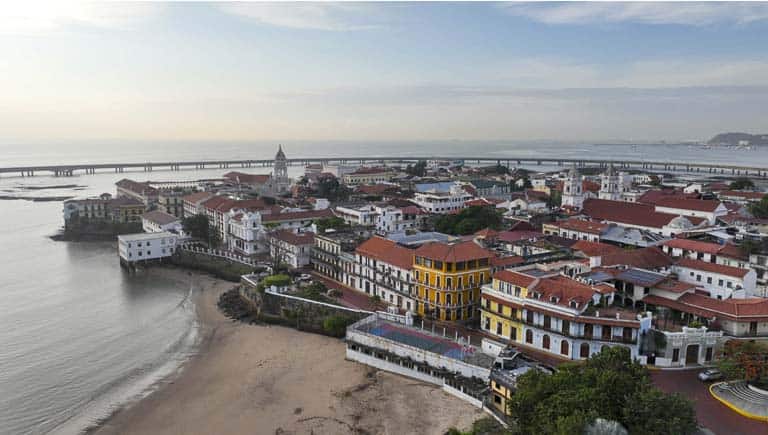
Casco Viejo announces itself more quietly. There is no comparable fortified gateway controlling the emotional arrival. Instead, the district unfolds through plazas, sea walls, churches, government buildings, and residential streets. Cartagena presents a stage. Casco Viejo feels like a neighborhood that gradually allows visitors backstage.
Casco Viejo vs Cartagena: Architecture and Sense of Place
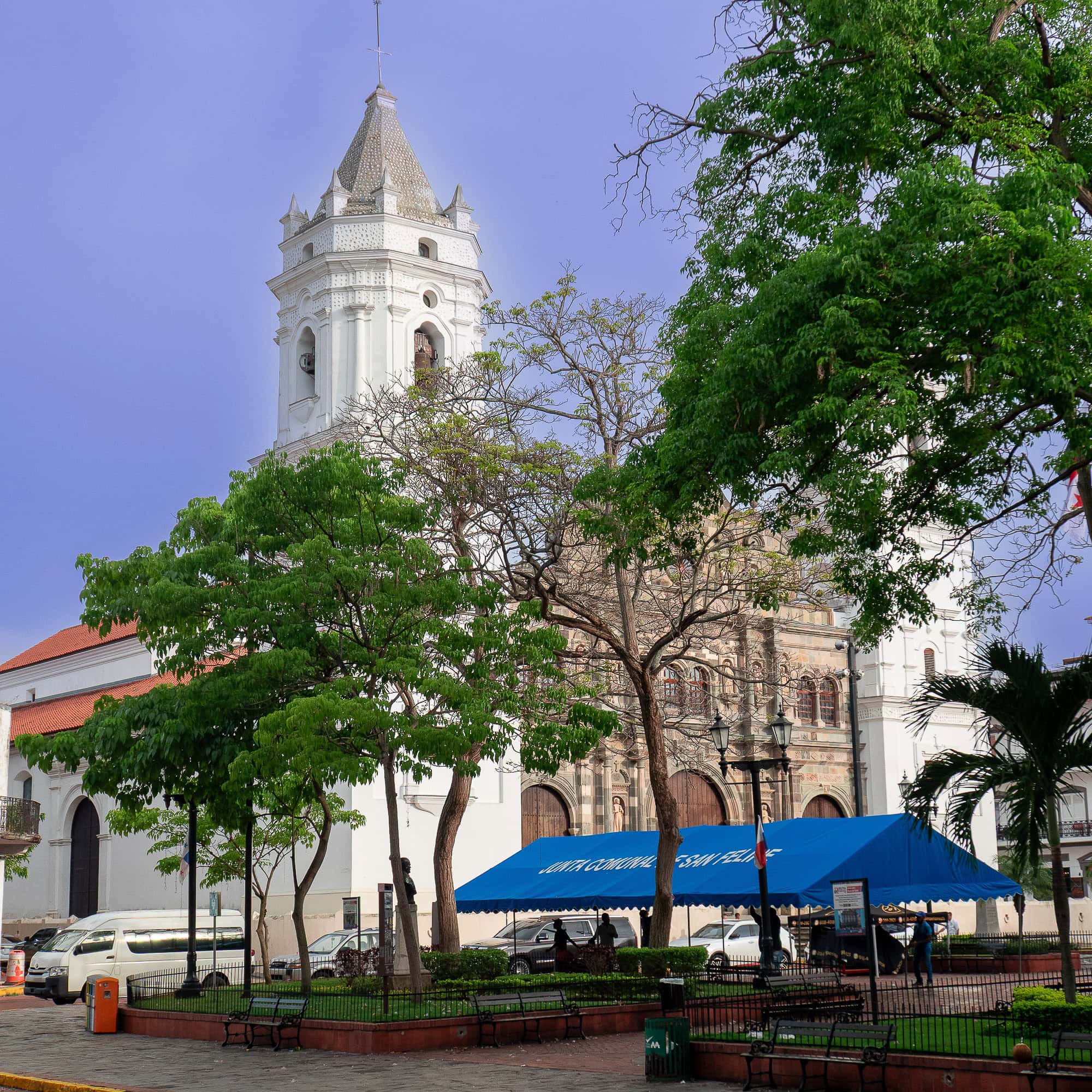
Cartagena wins the first visual encounter. Its preserved walls, long balconies, carved doorways, and painted facades create an unusually complete historic picture. The scale makes wandering feel cinematic without requiring much imagination from the visitor. Casco Viejo is less uniform. Spanish colonial buildings stand beside French-influenced facades and later republican architecture. Restored hotels share streets with private homes, government offices, construction, and buildings still awaiting rescue.
That unevenness can appear less polished, but it also reveals the district’s continuing life. Casco Viejo was established in 1673 after the destruction of the original Panama City. It remains part of the capital rather than a preserved enclosure separated from it. The two destinations also share historical connections. Panama remained politically joined with Colombia until its separation in 1903. Their similarities in religion, administration, trade, and architecture did not appear accidentally.
Geography eventually pulled them towards different identities. Cartagena faces the Caribbean and carries the confidence of an old fortified port. Casco Viejo faces the Pacific and leads naturally towards the Panama Canal story. Architecture therefore does more than decorate either destination. It reveals what each place once protected, traded, governed, and hoped to become.

The Lesson Cartagena Taught Me About Tourism – Casco Viejo vs Cartagena
The strongest part of my visit was not a monument. It was Cartagena’s confidence in delivering what it sold. Tourism workers understood the machinery around them. Hotels knew their international guests. Restaurants understood pacing, presentation, and atmosphere. Tour providers knew how to describe a product and convert interest into a sale. That confidence reassured me. I rarely wondered whether a promised experience would materialise. Cartagena had welcomed leisure travellers for years, and its better operators behaved accordingly.
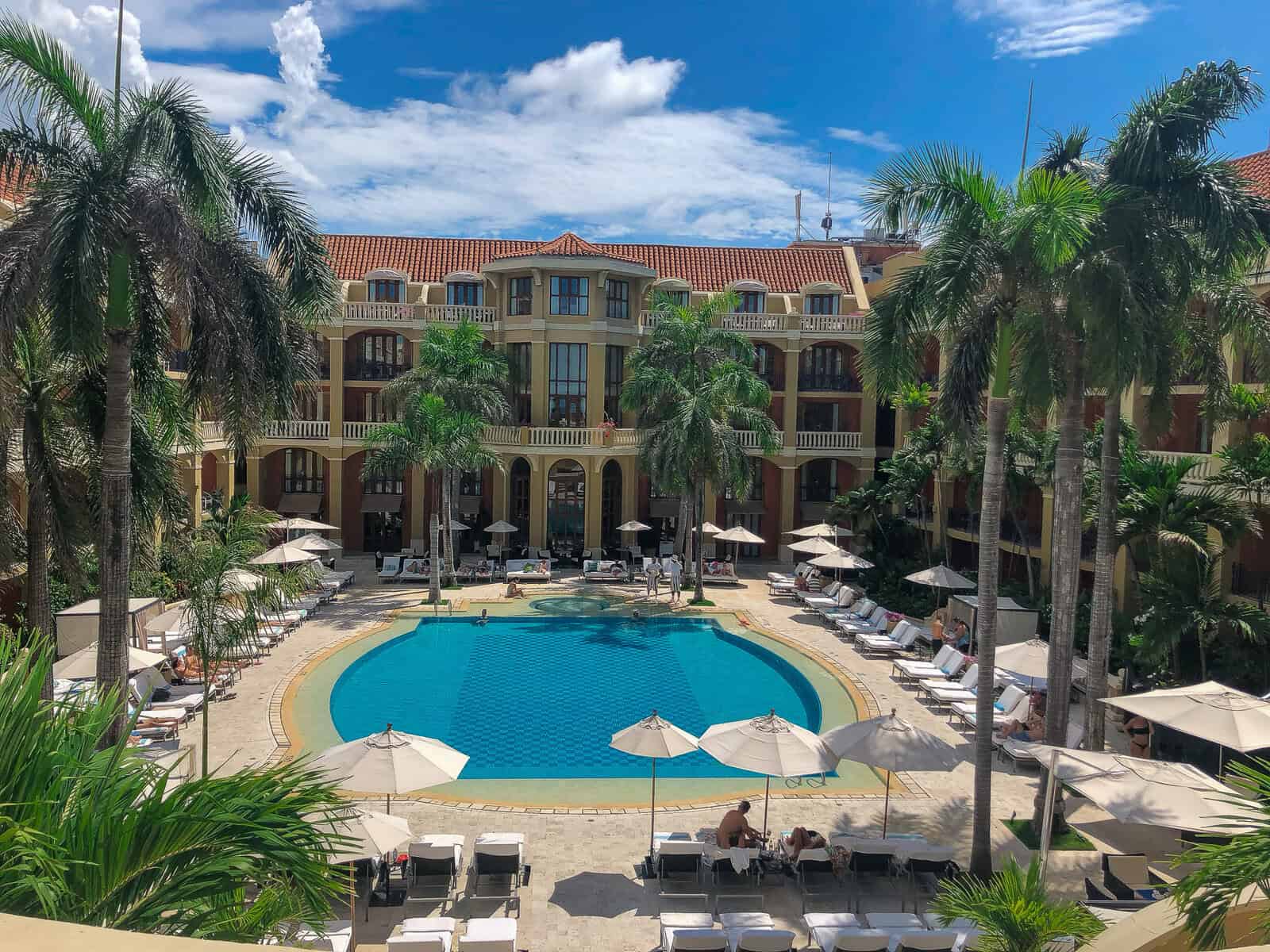
My time at Sofitel Legend Santa Clara captured that maturity. The property began as a convent in 1621 and became a hotel in 1995. History had not been placed behind glass. It had been made comfortable, elegant, and commercially productive. The pool occupied the former convent orchard. Colonnades framed quiet seating while uniformed staff moved with purpose. Every element suggested an operation that understood both its story and its customer.
Panama’s historic hotels have developed rapidly during the last decade. Casco Viejo now includes Sofitel Legend Casco Viejo, Hotel La Compañía, American Trade Hotel, and distinctive independent properties. The buildings compete beautifully, but the destination-wide tourism culture remains younger. Panama is still learning to connect architecture, service, storytelling, and commercial confidence consistently. Cartagena delivered that lesson without needing to explain it. I could see it working around me.

Where Professional Service Becomes Transactional – Casco Viejo vs Cartagena
Cartagena’s greatest strength produced my strongest frustration. I trusted people to deliver, yet I remained conscious of being a revenue stream. Most interactions had a clear commercial purpose. Someone wanted to sell transport, food, a tour, entertainment, a photograph, or another service. That did not make the transaction dishonest. People were working and supporting their families.
However, the accumulation changed the holiday’s emotional temperature. Warm service could still feel calculated when another offer followed every polite refusal. Efficiency did not always create connection. Panama often works in the opposite direction. Service can be inconsistent, yet a genuine relationship sometimes develops before anybody remembers the commercial opportunity. People ask where you came from and may remember you later.
Neither approach is automatically superior. Professional confidence matters when money and limited holiday time are involved. Human connection matters because travel should offer more than completed transactions. The ideal destination would combine Cartagena’s certainty with Panama’s instinctive warmth. Both places can learn something from the other.
Food Without Pretending I Remember Every Menu
I ate in several Cartagena restaurants, but I no longer remember their names. Inventing a list would be dishonest, and memory should not masquerade as research. What remains is the setting. Dining rooms appeared behind thick walls and shaded balconies, while tables spilled into lively plazas. Caribbean Colombian food had a clear identity shaped by fruit, seafood, rice, coconut, and regional traditions.
Cartagena understands atmosphere exceptionally well. Historic buildings are not treated as obstacles to restaurant operations. Their age becomes part of the meal’s value. Casco Viejo offers a different strength. Its smaller footprint contains Panamanian cooking alongside Japanese, French, Italian, Mediterranean, Latin American, and contemporary international restaurants. Coffee shops, rooftops, hotel dining rooms, bakeries, and casual kitchens sit within minutes of each other.
I would not declare an absolute food winner after one four-night visit. Cartagena offers a stronger regional identity and more theatrical settings. Casco Viejo provides greater variety within a compact area. The right choice depends upon whether you seek a culinary place or culinary range.
Casco Viejo vs Cartagena After Dark
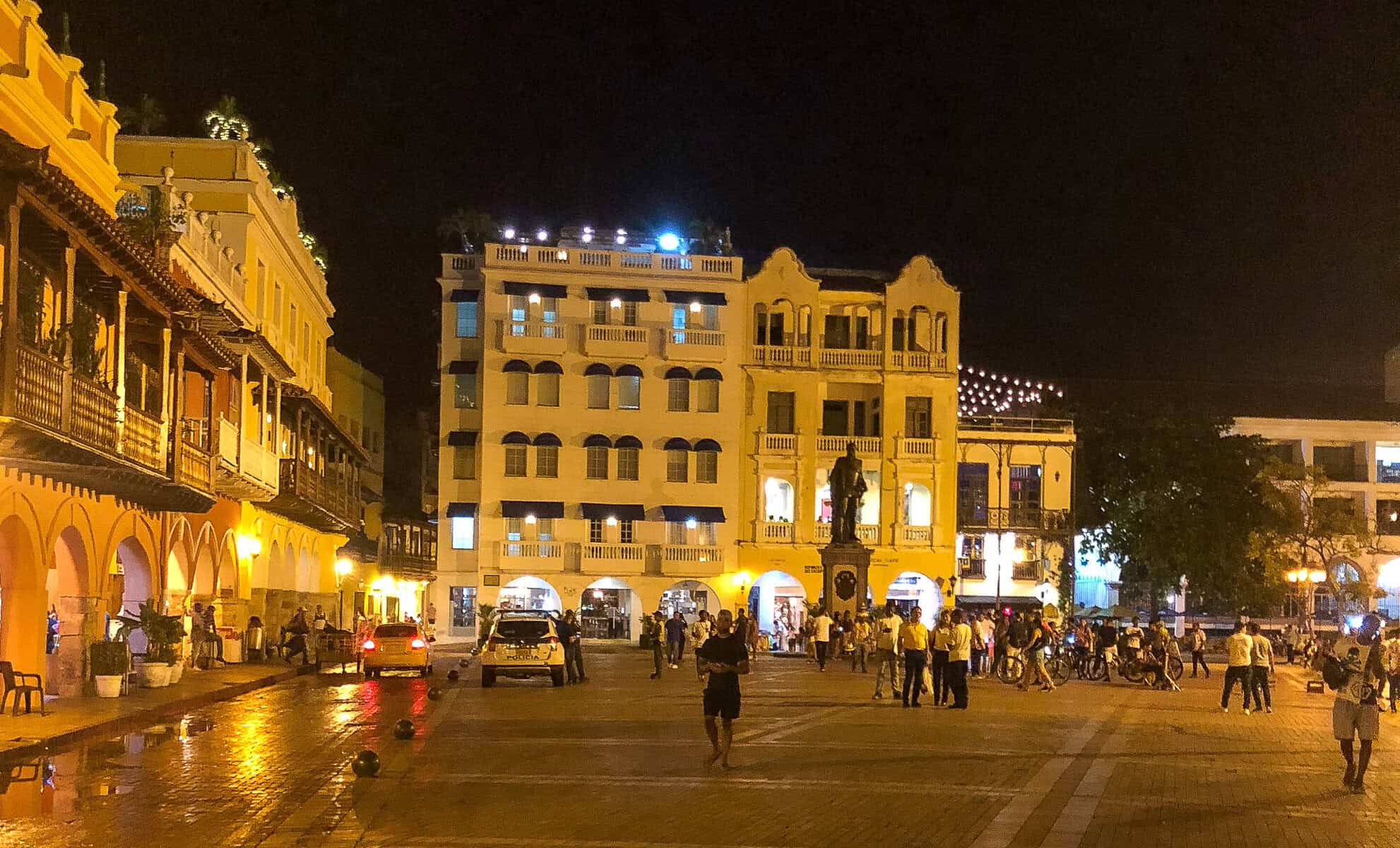
Cartagena owns the louder evening. Darkness sharpens its colors, while music and conversation pour into streets and plazas. The city also handles nightlife with professional intelligence. Clubs and bars disappear inside historic buildings, where thick walls contain much of their energy. An ordinary doorway may reveal very little from outside. This separation preserves the old city’s visual character while allowing sophisticated venues and unapologetic party businesses to operate nearby.
Casco Viejo has serious nightlife, but it does not define the entire district. Evenings often begin with dinner, sunset, cocktails, cultural events, and rooftop views. Some nights continue late, while others remain surprisingly calm. Cartagena is better for groups arriving specifically to celebrate. Casco Viejo suits travellers who want nightlife available without making it their entire reason for travelling.
The distinction is not moral. It is practical. Someone planning early museum visits may prefer a different rhythm from a birthday group celebrating until dawn.
Churches, Museums, and the Shape of History
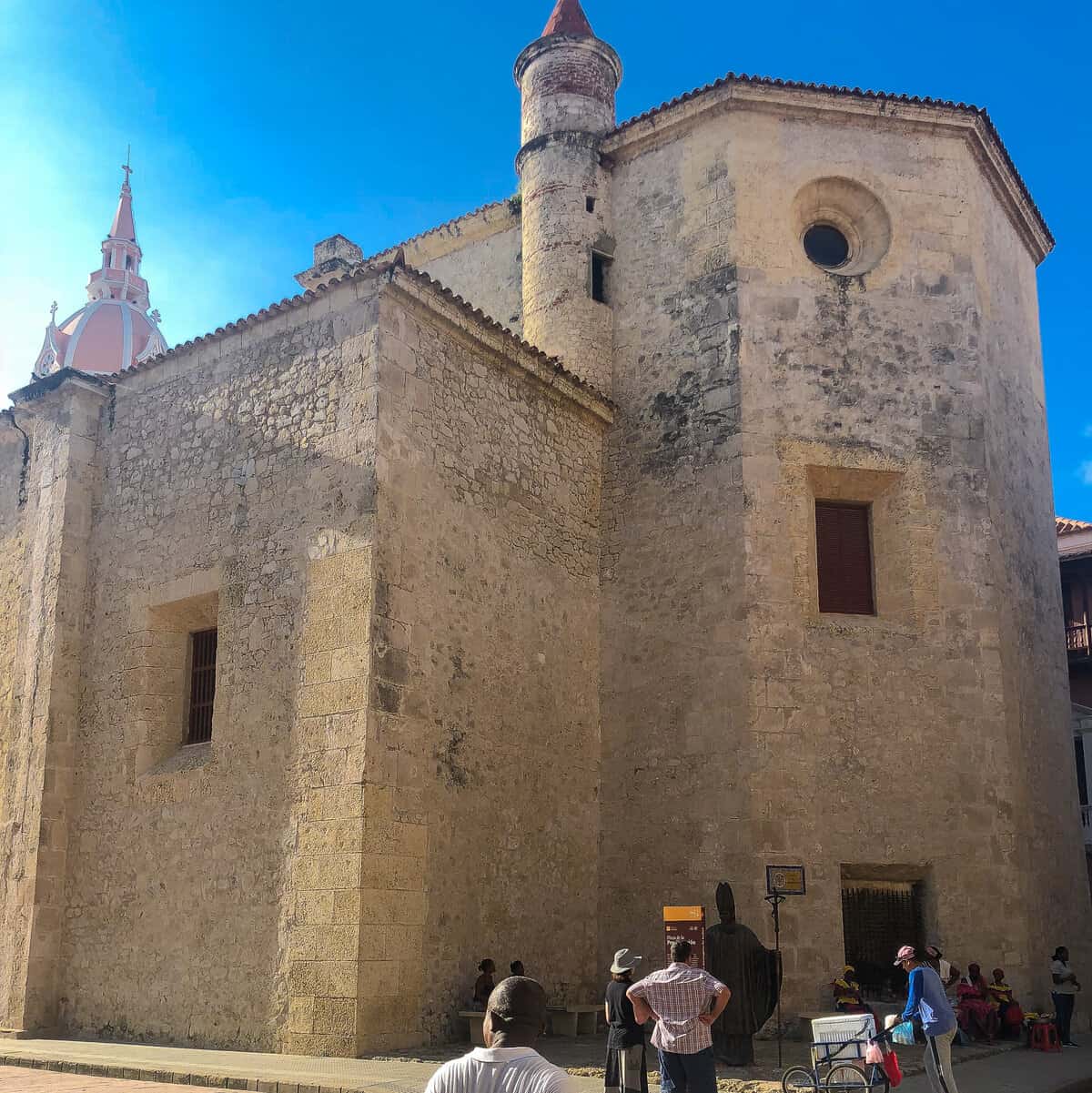
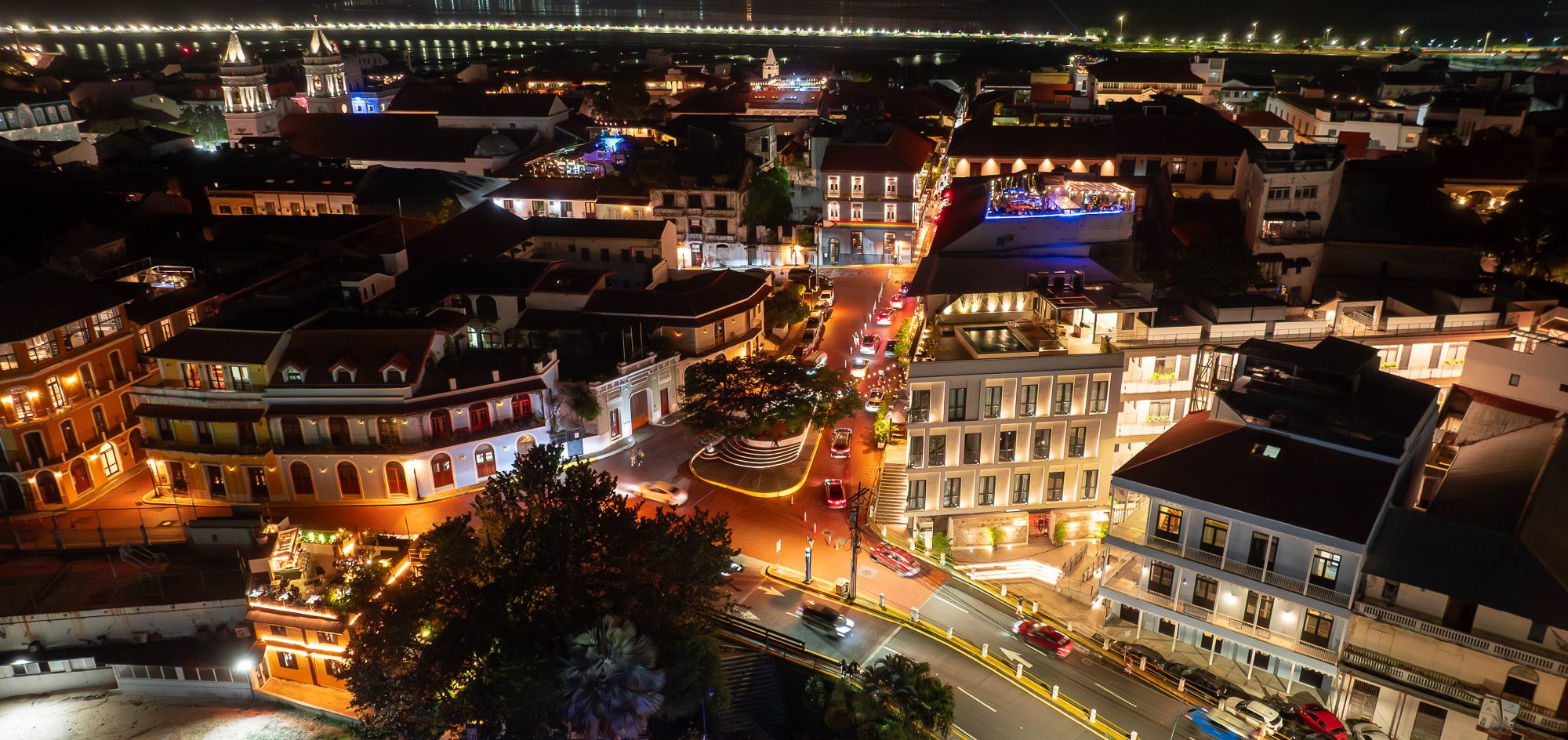
Cartagena possesses remarkable churches and deep colonial history. My photographs of Santo Domingo show stone columns, worn surfaces, polished pews, and an altar illuminated against warm walls. These religious buildings deserve more than a quick photograph. They reveal power, faith, wealth, conflict, and endurance within a fortified Caribbean port.
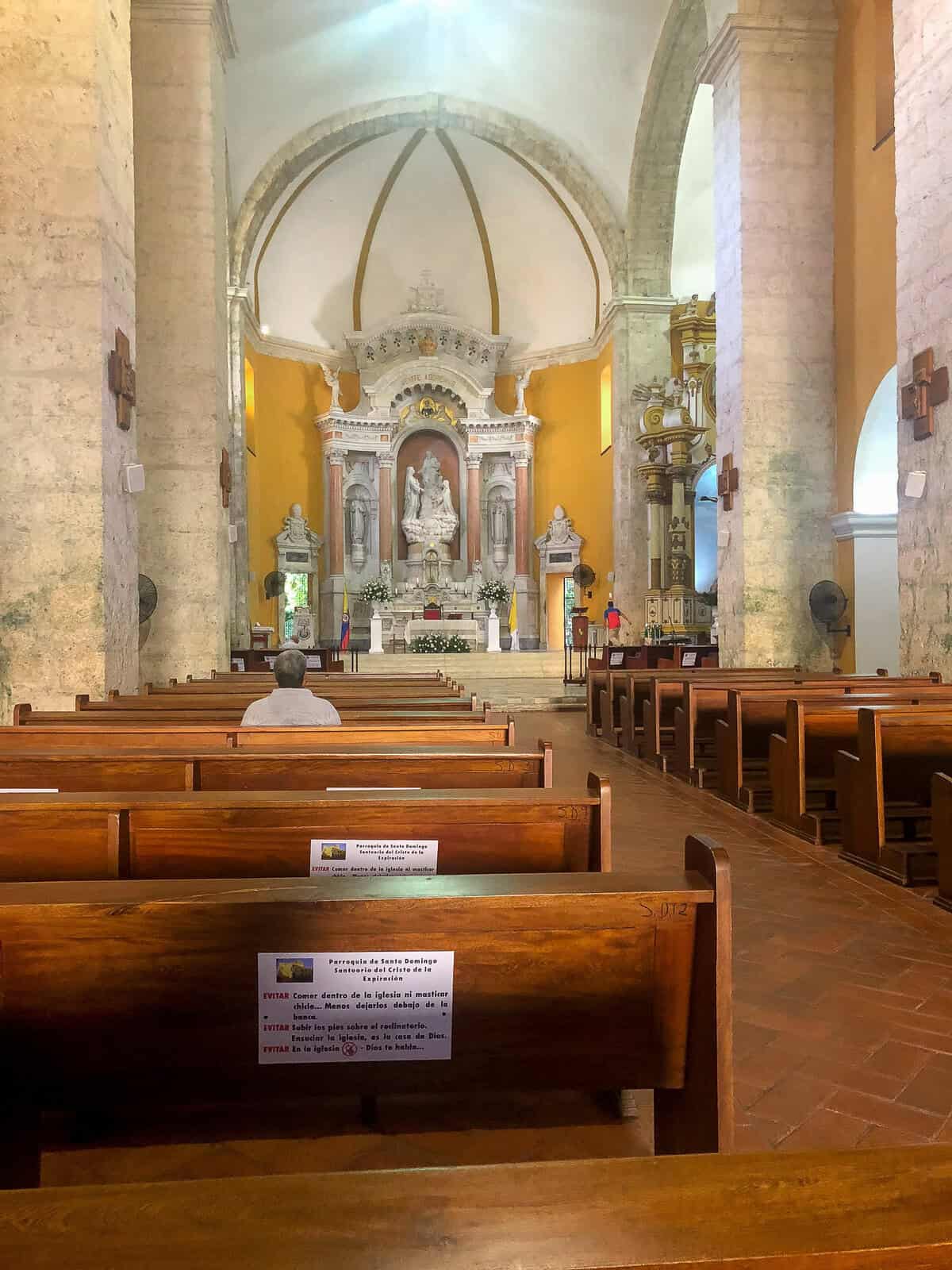
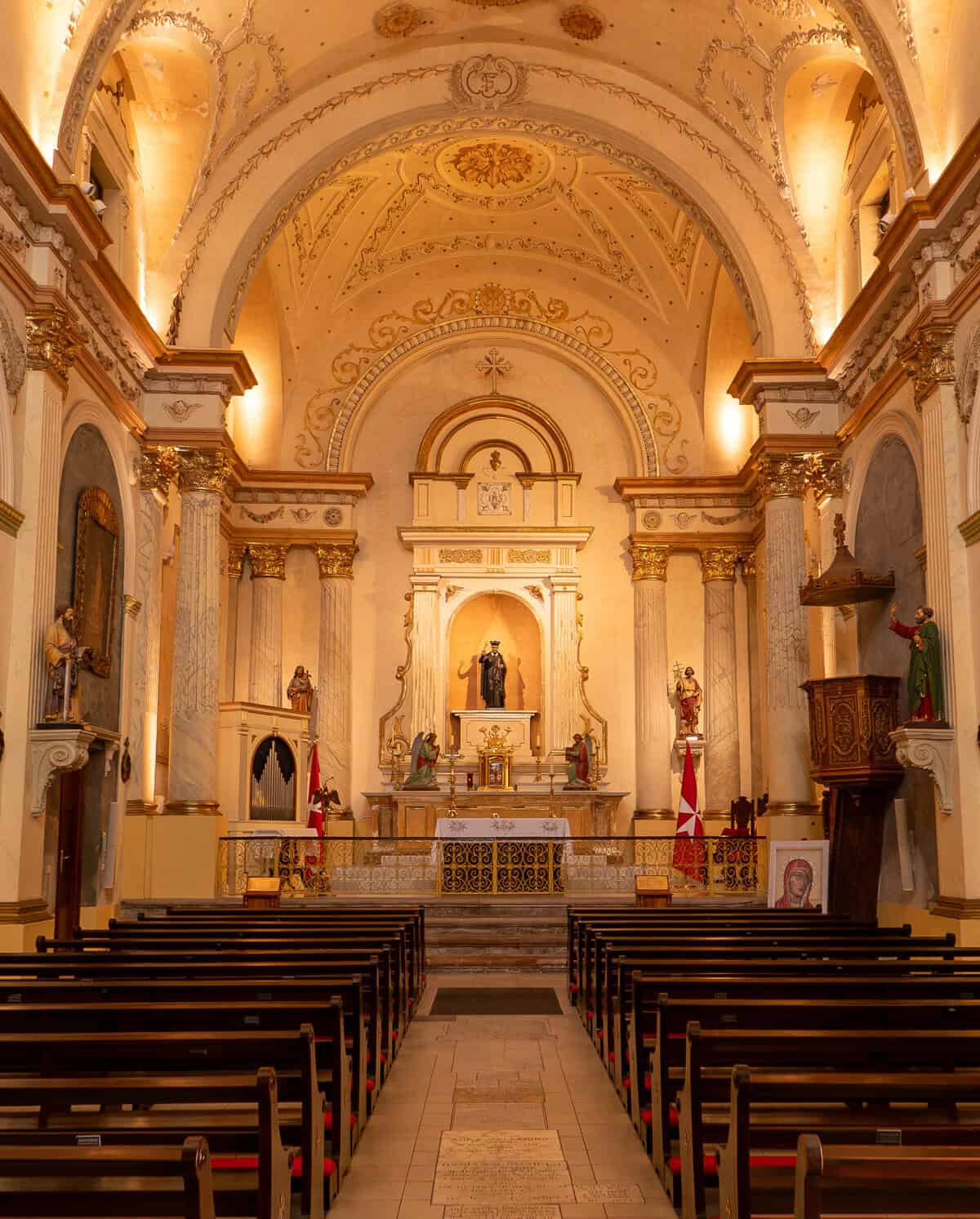
Casco Viejo made Panama’s national story easier for me to assemble. The Cathedral, La Merced, San José, San Francisco, and San Felipe Neri stand within a manageable walk. The Mola Museum introduces Guna artistry and worldview. The Panama Canal Museum explains the waterway’s human, political, and engineering consequences. The National Theatre adds cultural ambition rather than another colonial chapter. Visitors can move from Indigenous culture through Spanish settlement, Colombian union, independence, and Canal development within one district.
Cartagena offers the grander colonial canvas. Casco Viejo provides a clearer doorway into the modern nation’s formation. History-minded visitors may therefore leave Panama with a more connected understanding.
Walkability, Scale, and Daily Comfort – Casco Viejo vs Cartagena
Cartagena is physically easier in several respects. The Walled City is flat, and many principal streets support heavy pedestrian use. Pavement cafes occupy public spaces with confidence. Casco Viejo is smaller, but its surfaces demand greater attention. Uneven paving, narrow pavements, construction, parked vehicles, and occasional traffic conflicts can interrupt an otherwise short walk.
Visitors with mobility concerns should investigate routes carefully in both destinations. Historic authenticity rarely produces level thresholds, broad pavements, or effortless access. Casco Viejo’s advantage is intimacy. Major churches, museums, plazas, restaurants, and rooftops remain close together. Visitors can stop frequently without losing the shape of their day.
Cartagena encourages longer wandering. Casco Viejo encourages deeper familiarity. After several days, its streets begin feeling less like routes and more like acquaintances.
Beyond the Old Quarters: Bocagrande and Avenida Balboa
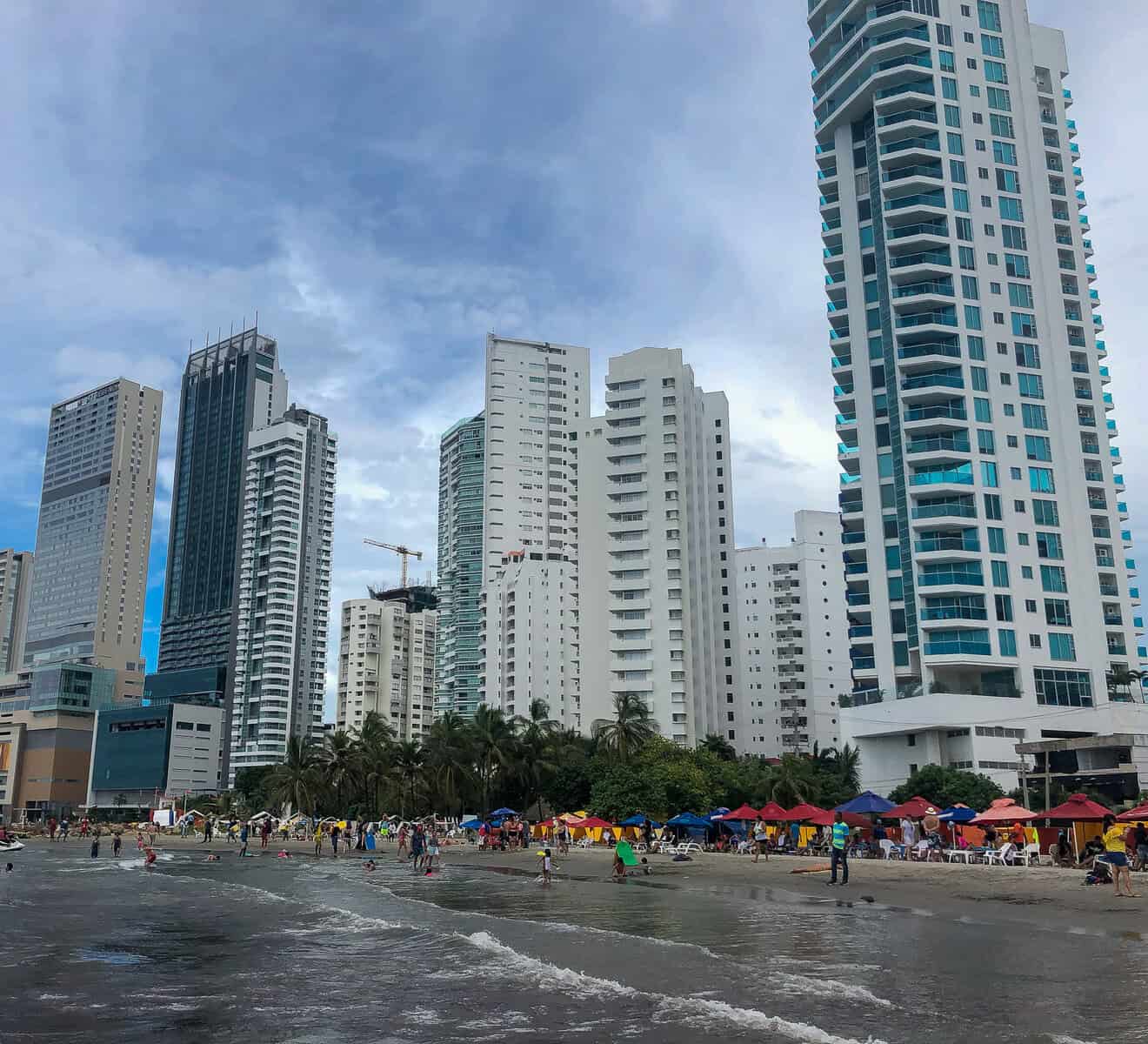
I deliberately left Cartagena’s Walled City and travelled through Bocagrande. The district revealed a different city of beachfront towers, hotels, apartments, traffic, and modern commercial life. From the historic walls, its skyline resembles a strip of Miami placed across Caribbean water. The image is dramatic, yet the transition felt abrupt. Tourism appeared strongly concentrated within clearly defined zones.
I knew leaving the walls did not automatically place me in danger. Nevertheless, I felt less comfortable and less certain about the wider visitor experience. That was a personal reaction, not a crime statistic. Avenida Balboa felt more organized to me. It connects Panama City’s skyline with the seven-kilometer Cinta Costera. Gardens, paths, sports areas, and viewpoints line the waterfront.
Modern Panama City supports Casco Viejo rather than competing with it. Visitors can stay in larger hotels, attend meetings, shop, dine, or conduct business. Casco remains available for its historic and cultural charm. Cartagena’s tourism geography felt compartmentalized. Panama City’s principal districts felt more connected within one metropolitan experience.
Casco Viejo vs Cartagena: Beaches and Island Escapes
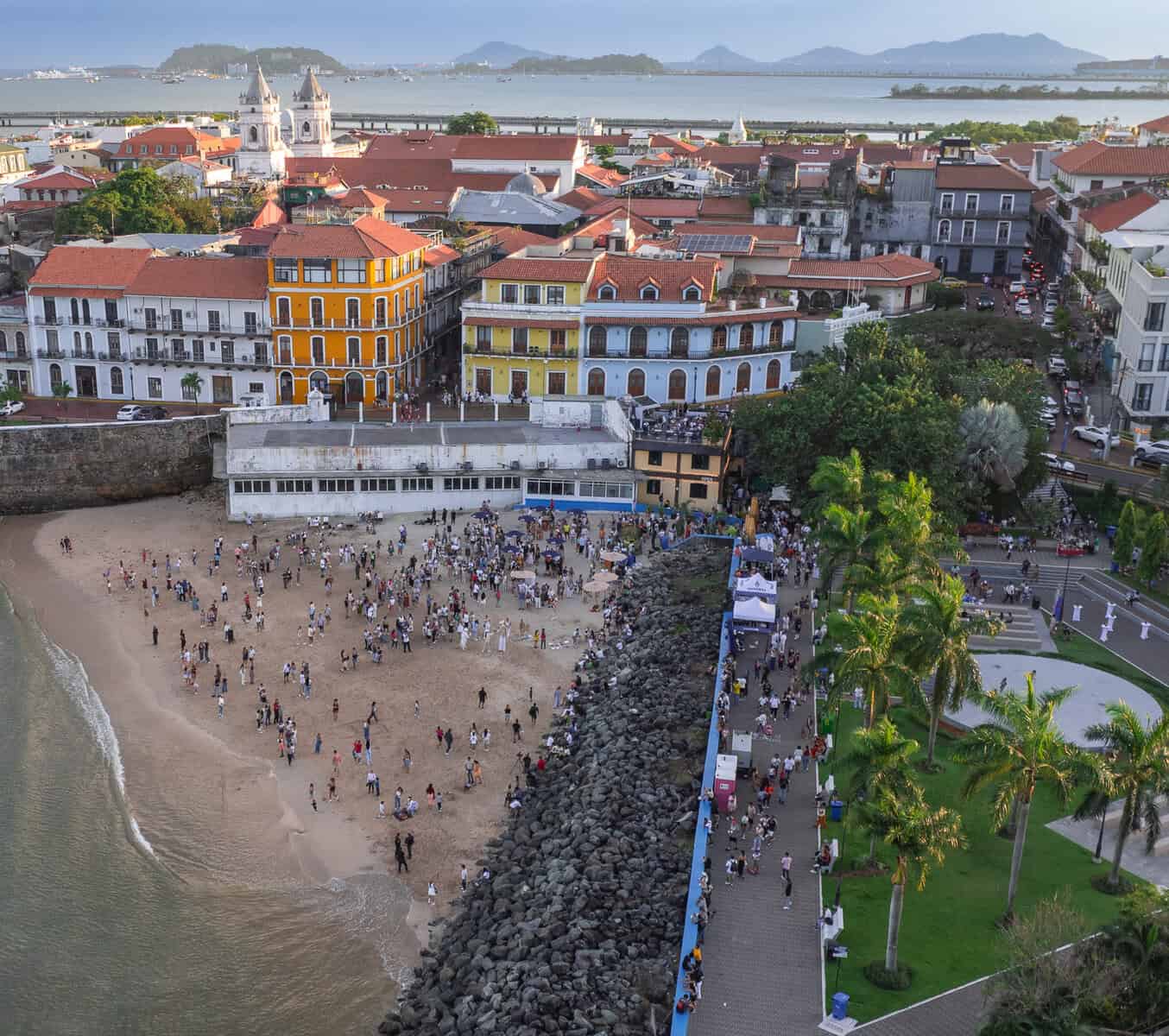
Neither historic district should be selected as a conventional beach resort. Casco Viejo has a tidal shoreline, not a swimming beach. Panama Bay should not be treated as recreational bathing water. Cartagena offers urban beaches around Bocagrande, El Laguito, Marbella, Crespo, La Boquilla, and other coastal districts. They provide sand, water, chairs, umbrellas, vendors, and easy access.
These beaches are not the quiet Caribbean fantasy many travelers imagine. The stronger postcard experience generally requires travelling towards islands or beaches beyond the central city. Colombia’s official tourism guidance promotes the Rosario Islands for white sand and clearer Caribbean water. I did not take that excursion because my planning had not revealed how much time it would consume. With only four nights, I chose to understand Cartagena itself. Island-focused travelers should reserve that day before arrival and confirm their transfer arrangements.
Panama offers several island escapes from Casco Viejo, although each requires a very different commitment. Taboga is reached by a short ferry from Panama City, while Contadora usually takes about two hours from Amador. Reaching Guna Yala requires a long four-wheel-drive journey across the mountains, followed by a small-boat transfer to the islands. Bocas del Toro involves a short domestic flight from Albrook, but it deserves several nights rather than a rushed visit.
These are not interchangeable day trips, and their advantage lies in variety. Panama allows travelers to choose between Pacific islands, Guna culture, and an Afro-Caribbean archipelago.
The Hassle Factor – Casco Viejo vs Cartagena
This category rarely appears in polished tourism comparisons. It should, because small interruptions can determine whether visitors relax or remain guarded. Cartagena’s street economy is highly visible. Promoters, vendors, photographers, entertainers, transport providers, and tour sellers work wherever visitors gather. Many are skilled, legitimate, and persistent.
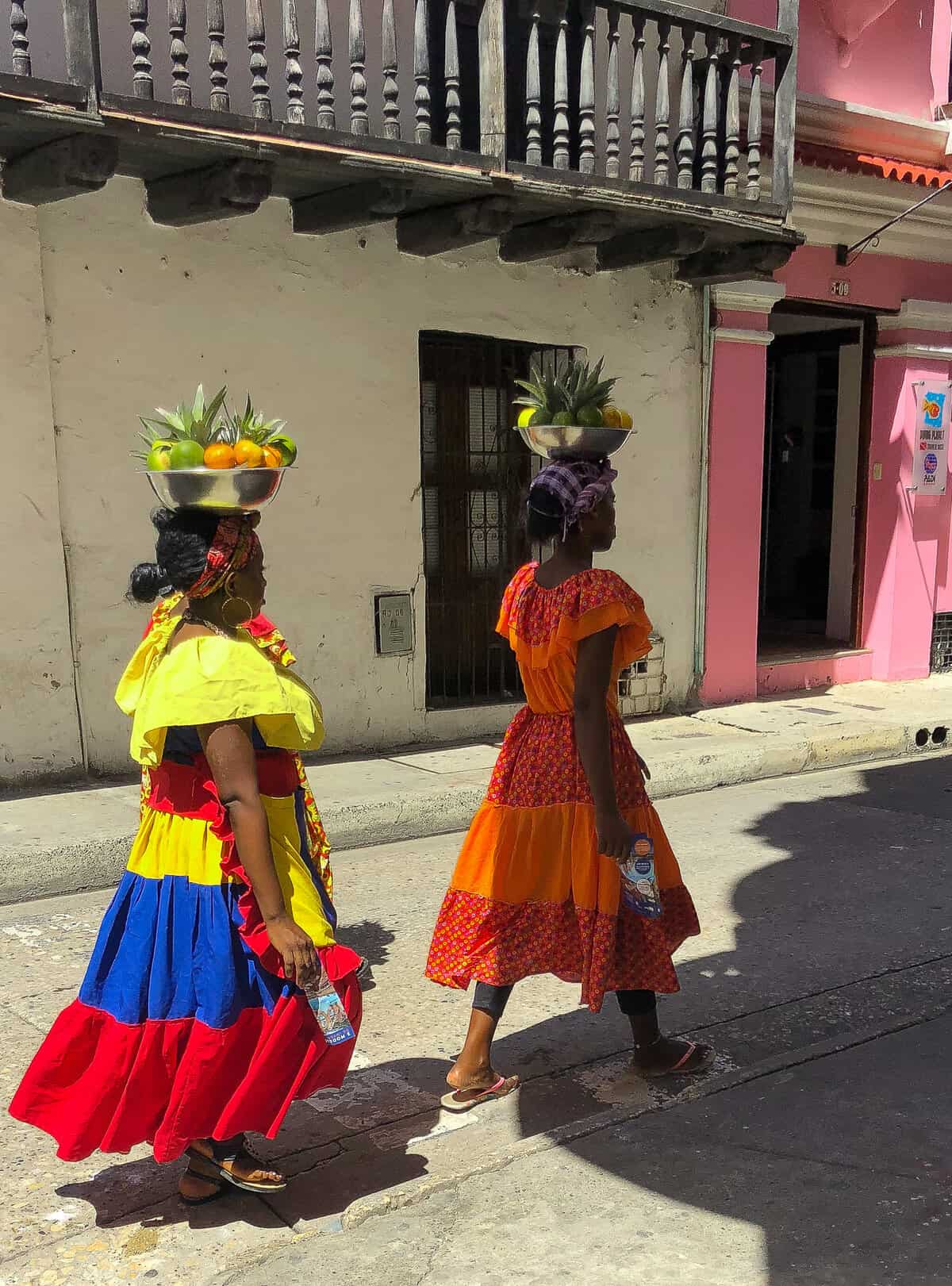
The Palenqueras bring color, history, and Afro-Colombian identity to the streets. Their presence also belongs within today’s visitor economy, where posed photographs usually involve payment. Solicitation connected with adult nightlife was also visible during my visit. So were repeated invitations towards entertainment and other services.
I am not making a moral judgement about adults or lawful businesses. I am describing the cumulative effect of being approached repeatedly. After several hours, another friendly offer can feel less friendly, however politely it begins.
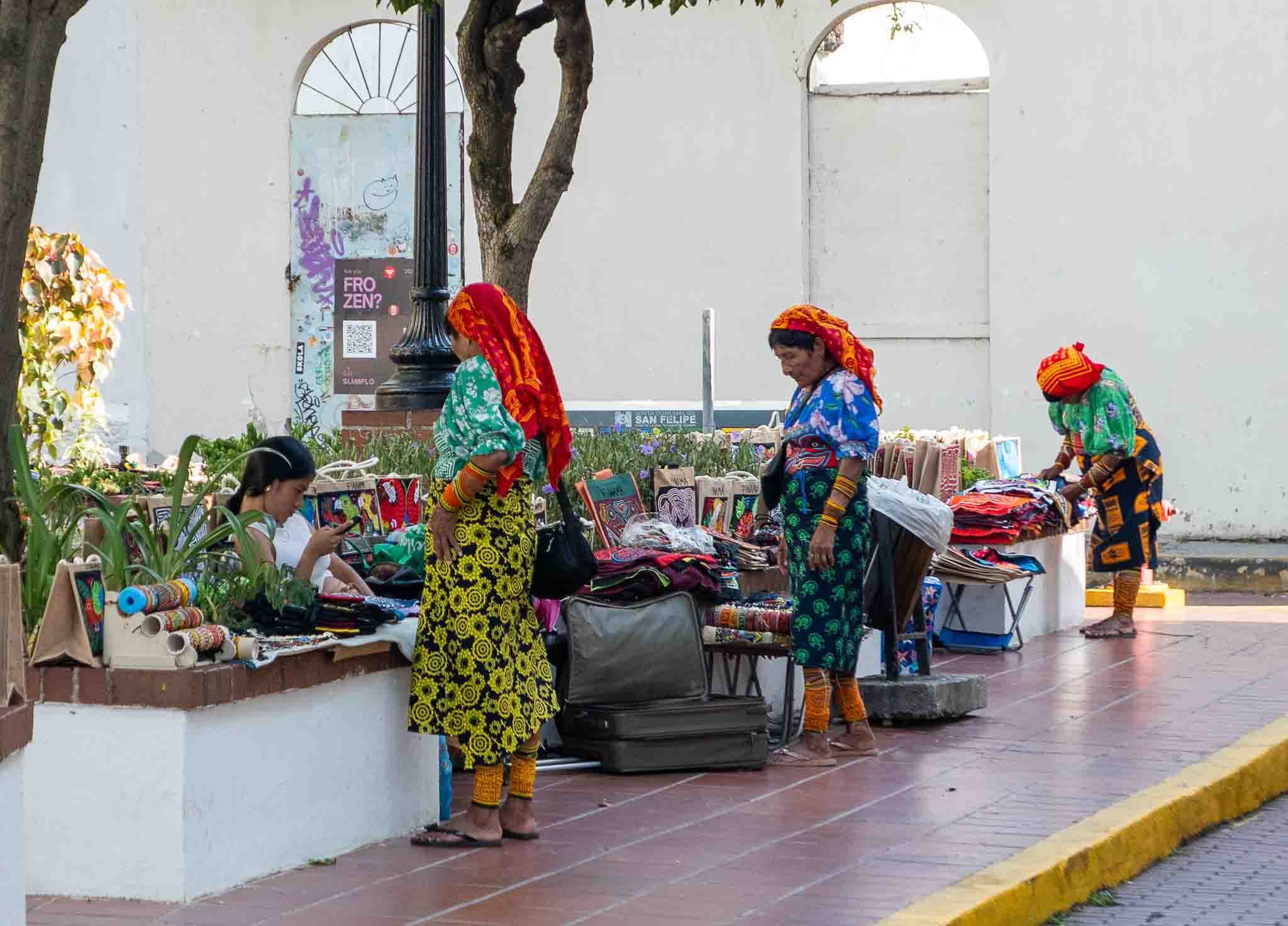
Casco Viejo has vendors, tour guides, performers, and occasional promoters. However, they do not dominate the walking experience in the same way. Long stretches allow visitors simply to look and continue. That lower pressure gives Casco Viejo an important advantage. Serenity rarely appears on an invoice, yet travelers notice when it disappears.
Safety Versus the Feeling of Safety
No responsible writer should promise that either urban destination is completely safe. Crime can occur in both, while circumstances vary by street, time, behaviour, and local conditions. Official travel advisories should always be checked before departure because national and regional guidance can change. Visitors should protect valuables, plan transportation, avoid poorly lit areas, and use licensed or hotel-arranged services.
My comparison concerns personal comfort rather than official crime rankings. I felt more relaxed moving between Casco Viejo and Panama City’s established districts. Cartagena’s confidence weakened for me beyond its best-known visitor areas. Another traveler may feel differently. Spanish ability, Latin American experience, age, nightlife choices, and local contacts can all influence perception.
Comfort still matters because it changes how people experience a destination. Visitors who feel settled explore more freely, stay longer, and remember more than the route back to their hotel.
Meetings, Incentives, and Destination Events
My professional background makes this comparison particularly interesting. Leisure travelers see streets and hotels. Meeting planners must also consider transfers, production, capacity, security, food service, and programme flow.
Cartagena’s Convention center sits on the historic waterfront beside Getsemaní and the Walled City. That location gives regional meetings and incentive groups immediate access to restaurants, atmosphere, and evening events. The destination also understands celebration. Historic courtyards, hotel function rooms, plazas, clubs, and Caribbean settings create strong incentive possibilities.
Panama competes through scale, air access, and programme variety. The Panama Convention Center provides more than 33,500 square metres of flexible event space. Its exhibition hall alone covers 15,400 square meters. Panama City also offers substantial hotel inventory beyond Casco Viejo. That matters when thousands of delegates require different brands, prices, transportation plans, and meeting facilities. Casco Viejo then becomes the evening canvas for dine-arounds, museum visits, rooftop receptions, theatre programmes, concerts, and private dinners.
Cartagena may suit a contained incentive or regional conference. Panama better supports programmes requiring international connectivity, substantial capacity, and several distinct destination experiences.
Who Should Choose Cartagena?
Choose Cartagena when the holiday centres upon energy, entertainment, hotel life, and a highly visible Caribbean identity. It suits celebratory groups, couples seeking romance, and travellers who enjoy busy streets. Cartagena also rewards architecture lovers who value scale and visual continuity. Its walls, gates, balconies, plazas, and churches create a powerful setting before any itinerary begins.
Allow enough time for an island day when clearer water matters. Stay within the historic core when atmosphere is your priority, and research transportation before exploring farther afield. Most importantly, arrive comfortable with being part of an active tourism economy. Cartagena does not whisper its commercial purpose.
Who Should Choose Casco Viejo?
Choose Casco Viejo when the historic district forms part of a wider Panama experience. It suits cultural travellers, couples, families, solo visitors, meeting delegates, and short-stay guests. It works especially well for people who enjoy changing pace throughout the day. A museum morning can become a quiet lunch, a hotel visit, sunset, dinner, and rooftop drinks.
Casco Viejo also suits travellers continuing towards the Canal, rainforest, Pacific islands, highlands, or Caribbean archipelagos. The old quarter becomes a beginning rather than the complete product. Do not expect everything to operate with Cartagena’s certainty. Expect a place still balancing residents, government, heritage, hospitality, construction, nightlife, and national ambition. That balance can be untidy, but it is also the source of Casco Viejo’s depth.
Casco Viejo vs Cartagena Fast Facts
| Planning point | Casco Viejo and Panama City | Cartagena |
|---|---|---|
| Country | Panama | Colombia |
| Currency | United States dollar and Panamanian balboa | Colombian peso |
| Primary language | Spanish | Spanish |
| Historic status | Part of Panama City’s UNESCO-listed historic district | UNESCO-listed port, fortifications, and monuments |
| Airport | Tocumen International Airport | Rafael Núñez International Airport |
| Airport character | Large regional connecting hub | Compact urban destination airport |
| Typical stay | Three or four nights | Three or four nights |
| Best seasonal conditions | Generally December through April | Generally late November through April |
| Urban swimming beach | No | Yes, with limitations |
| Strongest fit | Culture within a wider country itinerary | Leisure, nightlife, and historic atmosphere |
Flight schedules, transfer times, weather, and services change. Confirm current conditions before booking either destination.
Frequently Asked Questions – Casco Viejo or Cartagena
Cartagena suits travellers wanting a self-contained historic leisure destination. Casco Viejo suits those wanting history connected with a modern capital and wider country.
Three nights provide a useful introduction to either destination. Four nights allow slower exploration without turning every meal into a scheduled stop.
Yes. Direct flights connect Panama City and Cartagena. The short flying time makes a two-country itinerary practical when schedules align.
Casco Viejo generally offers the calmer base. Museums, plazas, churches, restaurants, and Panama City attractions support varied family days.
Casco Viejo generally offers the calmer base. Museums, plazas, churches, restaurants, and Panama City attractions support varied family days.
Cartagena provides accessible urban beaches and island excursions. Casco Viejo has no swimming beach, but Panama offers several separate island destinations.
Safety cannot be reduced to one district winning. Use current official advice and normal precautions. I personally felt less visitor pressure in Casco Viejo.
Costs vary by season, hotel, and travel style. Both offer luxury and moderate choices. Compare specific dates rather than relying upon general claims.
Closing Thoughts
Would I return to Cartagena for another dedicated four-night stay? Probably not, although that answer should not be mistaken for disappointment. Cartagena delivered what it promised. Its architecture impressed me, its hotels understood leisure, and its tourism industry operated with enviable confidence. I left understanding why people celebrate birthdays, weddings, romances, and long weekends there. I also felt that I had completed the experience. Cartagena had shown me its stage, sold me its atmosphere, and delivered the performance efficiently.
Casco Viejo has never felt completed to me. After living here since 2008, I still notice another doorway or restored detail. Processions, arguments, openings, closures, and unexpected kindness keep changing the view. That continuing life creates inconvenience as well as affection. Casco Viejo does not always deliver with Cartagena’s polish, but it gives me more reasons to remain curious.
If I wanted a confident party weekend, I would send the right traveler to Cartagena without hesitation. If I wanted someone to understand Panama, I would begin in Casco Viejo. The buildings may resemble each other across the water, but the memories they leave are entirely their own.
Continue Exploring Casco Viejo and Cartagena
Thank you for taking the time to read Casco Viejo versus Cartagena, Colombia. Although these two historic districts share remarkable architecture, colorful streets and UNESCO World Heritage recognition, each offers visitors a distinctly different experience shaped by its own history, culture and people.
If you would like to learn more about Casco Viejo and Cartagena, these trusted resources provide additional information:
Learn about Cartagena’s historic port, extensive fortifications and collection of monuments through its official UNESCO World Heritage listing.
Explore Casco Viejo through locally informed guides to its history, hotels, restaurants, rooftops, museums, culture and community.
Discover Cartagena’s historic attractions, Caribbean character and visitor experiences through Colombia’s official tourism website.
I hope this comparison helps you appreciate the qualities Casco Viejo and Cartagena share, as well as the history, atmosphere and character that make each destination completely different and worth experiencing for yourself.
James P. Rice
Founder & Publisher, CascoViejo360.com
info@CascoViejo360.com
Casco Viejo Walking Tour
Explore Casco Viejo at your own pace with a flexible self-guided walking route designed for your phone.
- No groups, no schedules
- Start anywhere, stop anywhere
- Works on phone or desktop
Panama City In 24 Hours
A carefully paced local itinerary for travelers with limited time who still want to experience Panama properly.
- Arrival day made simple
- Rooftops, dining & local rhythm
- Smart airport timing
Three Nights & Four Days
A flexible Panama itinerary centered around Casco Viejo, designed to help you arrive calmly and plan with confidence.
- Casco Viejo as your base
- Smart day trips and dining
- Timing without overplanning
Where to Stay in Casco Viejo
Discover the best hotels in Casco for recovery—quiet, stylish, and just minutes from Panama’s top clinics and hospitals.
View HotelsHealthy Dining for Recovery
Explore Casco’s best cafes and restaurants with clean, recovery-friendly menus that nourish without sacrificing flavor.
Explore DiningGentle Self-Guided Walks
Take a scenic stroll through Casco Viejo’s historic streets—perfect for movement, recovery, and reconnecting with the beauty around you.
View ToursJames P. Rice
James P. Rice purchased a home in Casco Viejo in 2008 and brings more than 40 years of hospitality, restaurant, tourism, and convention industry experience to CascoViejo360.com.
His background includes leadership positions with Ritz-Carlton and Hyatt Hotels, executive roles with major convention centers, and ownership of restaurants and pubs in both the United Kingdom and the United States.
Every article, hotel, restaurant, rooftop venue, attraction, and experience featured on CascoViejo360.com is selected through local knowledge, personal experience, and professional review, with careful consideration given to visitor experience, service standards, authenticity, and its contribution to the overall Casco Viejo and Panama City visitor experience.