Buying Property in Panama: What Owning a Home in Casco Viejo Since 2008 Has Taught Me
Buying property in Panama began with months of research for Leanne and me, but once we arrived, things moved remarkably quickly. We landed at eleven o’clock on a Wednesday evening. By lunchtime the following day, we were discussing an apartment purchase in Casco Viejo. People often hear that story and imagine an impulsive decision driven by excitement and unfamiliar surroundings. In reality, we had done our homework before boarding the plane and had a clear idea of the community, home, and future we hoped to find.
Having owned property here since 2008, I’ve watched Casco Viejo evolve from the early days of its revitalization. I’ve also come to understand something that isn’t always obvious when viewing a beautiful property. Finding the right home is as much about understanding the neighbourhood and your lifestyle as it is about the property itself. Real estate professionals are naturally in the business of selling property, and earning a commission is part of that business. My perspective is rather different. I have nothing to sell, but nearly two decades of personal experience I’m always happy to share with anyone considering making Casco Viejo their home.
Before arriving, we had also developed relationships with respected Panamanians who helped us understand the country more clearly. Their guidance provided context, appropriate introductions, and confidence in the people involved. Our search began in October 2007, and we completed our purchase on 14 February 2008. Casco Viejo was very different then. Many buildings had suffered decades of neglect, while some were occupied by families who did not own them. Our building had no squatters, and nobody was displaced because of our purchase. That distinction matters to me. We wanted to join a historic community without contributing to another person’s hardship. We also wanted a protected building whose character could not be casually erased.
I have not lived in Casco Viejo full-time throughout those years. However, owning a home here has given me a long and unusual view of its development. I have watched neglected buildings return to life and small businesses arrive with considerable hope. Some became part of the neighbourhood, while others disappeared almost as quickly. I have also watched Panama’s relationship with Casco Viejo mature. The conversation has gradually moved beyond rescue and restoration. It now includes stewardship, quality, daily comfort, and the responsibilities accompanying ownership within a historic community.
My career in hotels taught me to feel comfortable with people whose circumstances and expectations were often very different. I learned that listening usually reveals more than presenting. That experience still shapes every conversation I have about buying property in Panama. Casco Viejo remains the place I know most intimately, but not every lifestyle belongs within a historic quarter. This article is intended to help you ask better questions before choosing any home. If your search eventually leads elsewhere in Panama, you are still welcome to contact me. I will listen first, share what experience has taught me, and help wherever I reasonably can.
Why Casco Viejo Is More Than a Collection of Beautiful Buildings
When buying in Casco Viejo, it is easy to become absorbed by balconies, courtyards, stone walls, and beautifully restored façades. Those details certainly matter, but they are only the visible layer of the neighbourhood. Casco Viejo is also a living civic centre, shaped by faith, government, culture, commerce, and ordinary domestic life. The Presidential Palace stands within its streets, alongside the Mayor’s office, National Theatre, French Embassy, churches, and Metropolitan Cathedral. Few residential neighbourhoods place everyday life within such a concentrated national setting.
That mixture gives Casco Viejo a character that cannot be manufactured by restoring attractive buildings. On any morning, the streets may hold office workers, schoolchildren, residents, tradespeople, diplomats, visitors, and families attending church. Bells carry across rooftops, delivery carts move over uneven paving, and conversations drift through open doorways. By evening, the same streets acquire another rhythm as restaurants fill and lights appear behind old balconies. The neighbourhood changes throughout the day, yet its history remains present beneath every movement.
Over the years, I have watched Panamanian families take a renewed interest in this part of their capital. That matters because Casco Viejo should never become a decorative district created only for visitors or foreign buyers. Its strongest future depends upon Panamanians remaining active participants in its restoration, culture, businesses, and civic life. The most encouraging projects respect that responsibility. They understand that restoring a historic building means contributing to a community whose importance reaches far beyond its property values.
This is why Casco Viejo property should be considered within the neighbourhood surrounding it. A beautiful apartment can offer craftsmanship, privacy, and modern comfort, but it still belongs to a shared historic environment. The appeal comes from that relationship rather than the apartment alone. Buyers who understand this usually appreciate Casco Viejo more deeply over time. They are not simply purchasing rooms behind an old façade. They are becoming temporary custodians within a continuing story, shaped by those who came before and those still to come.
With more than 12 restoration projects in Casco Viejo, Envogue creates timeless homes that respect each building’s history. Working alongside architects and developers, they bring heritage knowledge and thoughtful design to every space.

My First Experience Buying Property in Panama
The speed of our purchase makes more sense when you understand how much preparation came before it. We had researched Panama for several months before arriving, beginning in October 2007. We were not searching for a conventional new development or an apartment isolated from its surroundings. We wanted a home within a genuine historic community. The architecture mattered, but so did the life beyond the front door. We hoped to find somewhere with continuity, character, and a future connected to its past.
Casco Viejo in 2008 required imagination. Restored buildings stood close to neglected structures, and progress varied considerably between streets. Some people saw only deterioration, while others saw easy financial opportunity. Neither view interested us very much. We wanted to understand which buildings had been approached responsibly and which promises had substance behind them. An attractive rendering could show what a room might become. It could not reveal the judgement, commitment, or patience of the people responsible for delivering it.
The building we chose carried Category Two historic protection, which was important to us. We wanted its defining character preserved rather than replaced by something fashionable and temporary. The development also had Panamanian leadership that understood Casco Viejo’s importance within the country’s history. That gave us confidence that restoration would involve more than a polished entrance and newly painted walls. We were buying into decisions about structure, craftsmanship, shared spaces, and the building’s relationship with the surrounding neighbourhood.
Our first purchase taught me a lesson that still guides conversations about buying property in Panama. Confidence rarely comes from one impressive feature or a persuasive presentation. It develops when the building, developer, legal position, location, and intended lifestyle begin telling the same story. We were also thinking beyond our immediate needs. The home was something our family might value long after the original excitement had settled. That longer view helped us separate lasting quality from the features designed merely to attract attention.


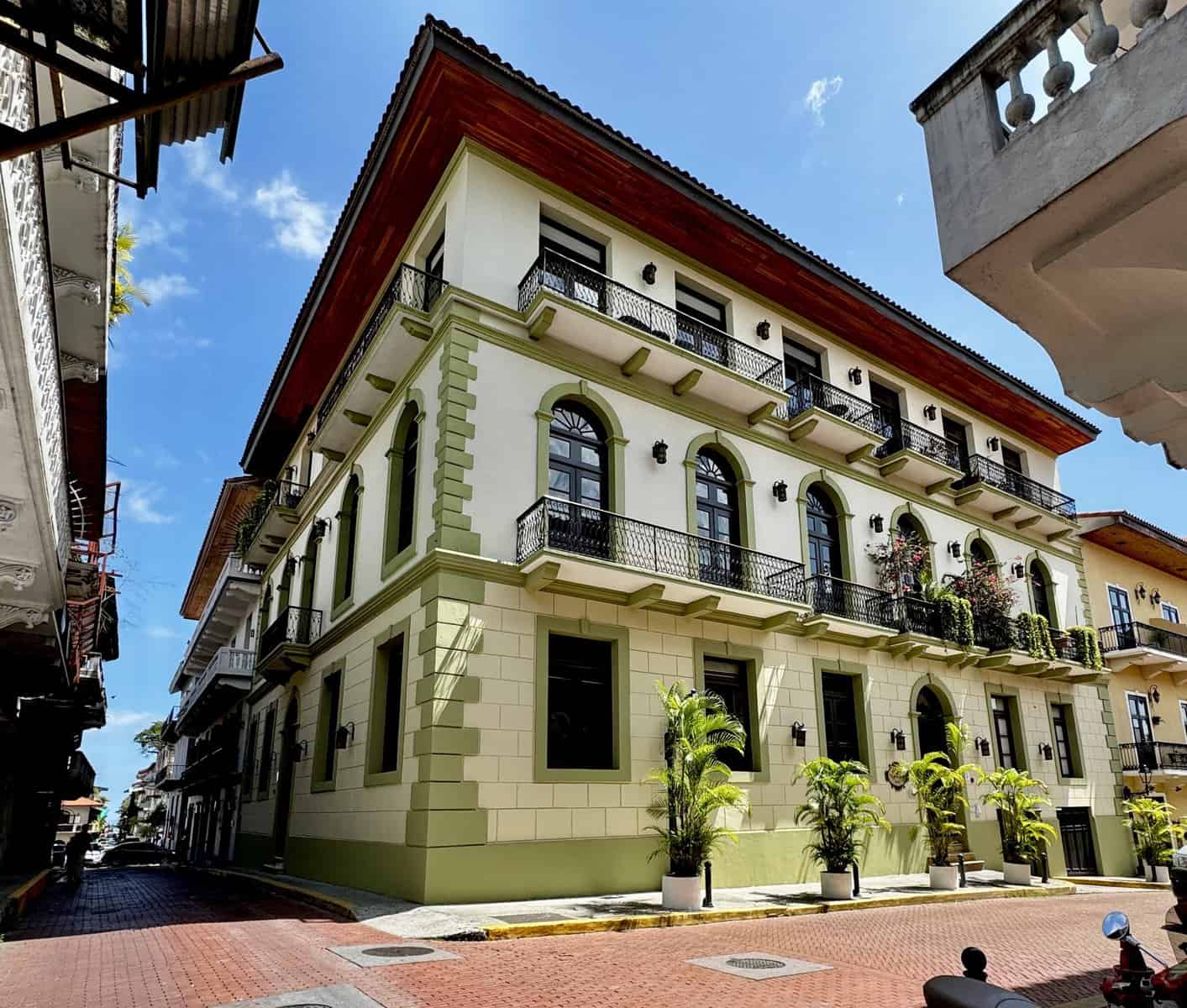
Begin With the Life You Want Before Buying Property in Panama
Property searches often begin with bedrooms, square metres, balconies, and asking prices. Those details are necessary, but they rarely identify the right home. The more useful starting point is an honest picture of your intended life. How often will you occupy the property, and what should an ordinary Tuesday feel like? Do you want privacy, social energy, practical convenience, or immediate access to restaurants and cultural life? Clear answers will remove unsuitable properties before presentation and emotion begin influencing the decision.
My hotel career exposed me to remarkably different ideas of comfort, service, privacy, and enjoyment. Some people feel restored by movement and conversation around them. Others need quiet surroundings before they can relax. Neither preference is more sophisticated than the other. The difficulty begins when someone chooses a property representing an imagined lifestyle rather than their natural one. Casco Viejo contains several distinct rhythms, and the most beautiful apartment may still occupy the wrong setting for you.
This is why I prefer conversations about daily habits before conversations about available property. A person’s routines usually reveal more than a list of requested features. Morning light may matter more than an additional room. Walkability may outweigh parking, while reliable privacy may be more valuable than a celebrated address. Buying property in Panama becomes easier when those priorities are understood before the search becomes attached to one particular building.
A Full-Time Home
A full-time resident experiences details that a short visit can easily conceal. Deliveries, refuse collection, neighbouring businesses, evening activity, building access, and maintenance all become part of ordinary life. Storage, ventilation, natural light, and comfortable working spaces also carry greater importance. A home must function during quiet weekdays, heavy rainfall, public celebrations, and busy holiday periods. The central question is not whether the apartment creates a striking first impression. It is whether the property can support your routine comfortably throughout the year.
A Second Home
Buying property in Panama as a second home brings different priorities because it must remain manageable during long absences. Building administration, security, humidity control, maintenance, and reliable local support become especially important. Some owners want immediate energy whenever they return, with restaurants and activity within a few steps. Others want a calmer base where arrival feels private and restorative. Understanding that distinction helps narrow both the location and building. A second home should welcome you back easily, without every visit beginning with a list of preventable problems.
A Home for Remote Work
Remote work has changed what many buyers require from Casco Viejo real estate. An attractive dining table does not automatically create a comfortable office. Internet reliability, acoustics, natural light, cooling, electrical capacity, and space for private calls deserve careful attention. The surrounding rhythm matters as well. Some people enjoy working above an active street, while others find the same energy distracting. The right property should allow professional life and personal life to coexist without either constantly intruding upon the other.
An Investment Property when Buying Property in Panama
An investment purchase should begin with realistic expectations rather than projected returns alone. Different buildings have different rules, management standards, operating costs, and attitudes toward short-term occupancy. Historic properties may also require maintenance that conventional calculations fail to anticipate. The strongest investment is often a well-restored home within a responsibly managed building that remains desirable across changing markets. Financial advice should come from qualified professionals. However, buyers should still ask whether the property would remain appealing without optimistic assumptions about occupancy, appreciation, or future demand.
Understanding What Living in Casco Viejo Really Means
Living in Casco Viejo places you inside a neighbourhood designed long before cars, air conditioning, and modern delivery services. Its narrow streets and closely arranged buildings create much of its intimacy. They can also require patience. Parking, access, construction, public events, and temporary street closures may occasionally reshape an ordinary day. These are not necessarily reasons to avoid the neighbourhood. They are realities to understand before deciding whether its particular character suits you.
Historic surroundings also behave differently from modern residential developments. Thick masonry walls can help moderate heat, although ventilation and orientation remain important. Tropical humidity places continuing demands upon interiors, woodwork, metal, and mechanical systems. Heavy rain can expose weaknesses that remain invisible during the dry season. None of this makes historic ownership undesirable. It simply means that maintenance should be regarded as part of responsible ownership, rather than an unexpected interruption.
The social experience is equally distinctive. Casco Viejo brings residents, visitors, government activity, religious traditions, hospitality, and cultural events into a relatively compact area. A quiet weekday morning may feel entirely different from a festival evening or national celebration. That variation gives the neighbourhood much of its energy. However, buyers should experience it at different hours before forming conclusions. A daytime viewing cannot reveal how a particular street feels late at night, early Sunday morning, or during a major event.
There is also an unspoken responsibility attached to living within a historic community. Owners share walls, entrances, streets, and inherited architectural details with neighbours and future generations. Decisions about noise, alterations, maintenance, and common spaces rarely affect one household alone. The people happiest here usually accept that balance between individual freedom and collective stewardship. They understand that Casco Viejo offers something rare, but asks for consideration in return.
The Building Matters as Much as the Apartment when Buying Property in Panama
A beautifully presented apartment can make the wider building disappear during a viewing. Fresh finishes, generous windows, and carefully placed furniture naturally attract attention. Yet every Casco Viejo property depends upon systems and decisions extending beyond its front door. Roofs, drainage, structural repairs, shared utilities, and building administration will eventually affect every owner. These matters deserve the same attention as the kitchen, bathroom, and view.
Historic buildings can also conceal differences that photographs rarely communicate. Two apartments may appear comparable online while belonging to buildings restored to entirely different standards. One may have thoughtful engineering, durable materials, and dependable management. Another may rely upon attractive surfaces covering unresolved weaknesses. Independent legal and technical advice is essential, particularly when documents, construction history, or shared responsibilities require careful interpretation.
I have learned to pay attention to what is not being presented enthusiastically. Ask to see entrances, stairways, service areas, roofs, meters, and shared spaces where access is permitted. Notice how questions are answered and whether records are readily available. A responsible seller or representative should understand why these details matter. Good buildings rarely depend upon distraction because their quality remains visible beyond the apartment.
Restoration Quality
When buying property in Panama, restoration quality is not measured by how new everything appears. The better question concerns how intelligently old and new have been joined. Original architectural features should be respected, while modern services must function safely and reliably. Look beyond decorative finishes and ask about structural work, waterproofing, plumbing, electrical systems, windows, and climate control. Qualified professionals should inspect these elements before purchase. Fine workmanship often feels understated because it was designed to last rather than attract immediate attention.
Common Areas and Building Management
Common spaces reveal how a building is likely to age. Clean stairways and repaired finishes matter, but management involves much more than appearance. Buyers should understand budgets, reserves, insurance, maintenance schedules, decision-making procedures, outstanding disputes, and responsibility for shared areas.
We were the first owners of apartments in two newly completed buildings, each entering the community with new management. The difference has been considerable. One building is managed flawlessly, with clear communication and rapid responses. Management in the other has been disappointing, and we live with the consequences. Even an exceptional apartment becomes difficult to enjoy when administration is weak or essential repairs are repeatedly postponed.
Light, Ventilation and Orientation
Light can transform an historic interior, but the brightest apartment is not automatically the most comfortable. Orientation influences morning heat, afternoon exposure, airflow, humidity, and energy use. Interior rooms may require careful ventilation, while large windows can introduce heat or noise alongside their beauty. Visit at different times whenever possible. Open shutters, stand quietly in each room, and consider how the space will function without staging, artificial lighting, or unusually favourable weather.
Noise and Surrounding Activity
Noise should be evaluated according to your own tolerance, not another person’s reassurance. Church bells, restaurants, street conversations, deliveries, celebrations, and building work may all form part of the soundscape. One buyer may find that atmosphere energising, while another may struggle to rest or concentrate. Window quality, bedroom position, floor level, and neighbouring uses can make substantial differences. Spend time outside after dark and return early in the morning. The neighbourhood should be experienced, not merely viewed.
Every Part of Casco Viejo Has a Different Rhythm
Casco Viejo is compact enough to cross on foot, yet its atmosphere can change within several streets. One area may feel ceremonial, polished, and closely connected to national institutions. Another may feel residential, creative, or animated by restaurants and evening activity. Waterfront streets offer different light and movement from the lanes surrounding the central plazas. These distinctions are easy to overlook when property searches reduce the neighbourhood to a single location on a map.
Homes near the principal plazas place residents close to architecture, cafés, cultural activity, and a constant stream of people. That proximity can create a wonderful sense of participation. You leave the building and immediately feel connected to the life of the neighbourhood. However, prominent locations can also attract events, evening gatherings, and greater foot traffic. Buyers drawn to these areas should genuinely enjoy that visibility and energy, rather than simply admiring the address.
Other streets offer a more private relationship with Casco Viejo. They may receive fewer casual visitors and feel calmer outside major celebrations. Some provide wider views, stronger breezes, or easier access toward the waterfront. Others sit closer to the neighbourhood’s changing edges, where restoration and daily local life remain more visibly intertwined. These locations can offer depth and character, but the experience may vary greatly between adjoining blocks.
When buying property in Panama, the right area depends upon the life you intend to lead. Someone who enjoys walking downstairs into conversation may feel isolated on a quieter street. Another person may value retreat, space, and distance from the busiest plazas. This is where personal context becomes more useful than general recommendations. There is no universally superior corner of Casco Viejo. There are only different relationships between location, building, routine, and temperament.


How Casco Viejo Real Estate Has Changed Since 2008
Casco Viejo in 2008 felt like a neighbourhood standing between memory and possibility. Restoration had begun, but progress remained uneven and confidence was still developing. Early owners and businesses accepted uncertainties that later arrivals may never encounter. Services were limited, construction could move slowly, and reliable information was not always easy to find. Yet there was also a remarkable sense of participation. People were not simply entering an established destination. They were helping determine what the neighbourhood might become.
The following years brought restored buildings, hotels, restaurants, shops, cultural spaces, and considerably greater international attention. Not every arrival was permanent. I watched ambitious businesses open with impressive presentations and then disappear when fashion or initial enthusiasm faded. Others survived because they understood their customers, respected the neighbourhood, and maintained consistent standards. My hospitality background made those differences familiar. Presentation may create interest, but judgement, service, and disciplined daily work determine what lasts.
When we purchased another home in 2019, the decision reflected how both Casco Viejo and our expectations had evolved. We chose a developer with an established reputation extending beyond the historic district. The project respected the building’s character while introducing greater sophistication, comfort, and technical consideration. That balance mattered. Historic integrity should not require people to surrender every modern convenience. The strongest restorations allow heritage and contemporary life to support each other without either feeling artificial.
What has remained is Casco Viejo’s ability to expose the difference between appearance and substance. Decorative lighting, fashionable finishes, and ambitious promises can capture attention for a season. Enduring quality becomes visible more slowly through workmanship, management, maintenance, and the experience of daily life. Buyers today have more choice and better information than we had in 2008. They also face more polished marketing. Careful observation therefore matters as much now as it did then.
Questions Worth Asking Before Buying Property in Panama
A serious property search requires better questions than whether the seller will accept a lower offer. Some answers will come from observation, while others require independent legal or technical verification. The purpose is not to approach every purchase with suspicion. It is to replace avoidable assumptions with reliable information. Historic property carries particular details, and those details should be understood before emotion begins setting the pace.
What Exactly Is Included in the Purchase.
Confirm precisely what the legal title, sale documents, and building records include. Buyers should not assume that storage, parking, terraces, rooftops, furnishings, or shared areas belong exclusively to one apartment. Physical use and legal ownership are not always identical. An independent Panamanian lawyer should review ownership, boundaries, obligations, restrictions, and any outstanding issues. Verbal assurances may be sincere, but important rights and responsibilities should appear clearly within the documentation.
What Will Ownership Cost Beyond the Purchase Price
The purchase price is only the beginning of the financial picture. Ask about monthly building fees, insurance, utilities, maintenance, reserves, taxes, and anticipated assessments. Historic homes may also require specialist repairs or materials that cost more than conventional replacements. A realistic budget should include routine care and occasional unexpected work. The property remains more enjoyable when ownership costs were considered calmly before purchase, rather than discovered after completion.
How May the Property Be Used or Altered.
Your plans must align with building rules, heritage protections, and applicable Panamanian regulations. Confirm whether intended renovations require approval and whether limitations affect windows, façades, balconies, structural walls, or other protected features.
When we purchased our home in Casco Viejo, we redesigned the interior. Leanne, an accomplished designer by trade, worked extensively with the architects to ensure our plans stayed within Patrimonio’s guidelines for our Category Two property. She also worked ahead of the construction schedule, coordinating decisions about bathrooms, kitchens, floor designs, and other details so they were ready when needed. That combination of thoughtful design, close collaboration, and careful planning helped us make the home our own while respecting its heritage.
Rental intentions also deserve proper legal guidance, particularly when short-term occupancy is part of the calculation. What another owner appears to be doing does not necessarily establish what is permitted. Obtain current advice from qualified professionals before relying upon any proposed use.
What Could Change Around the Property
A beautiful view, quiet adjoining site, or particular street atmosphere may not remain unchanged forever. Ask what is known about nearby buildings, proposed construction, commercial activity, and public works. No one can guarantee the future character of an evolving neighbourhood, but informed questions can reveal whether your expectations depend upon circumstances outside your control.
We learned this firsthand when an unauthorised nightclub opened across the street from our home. The disturbances were horrendous, and we lived with them for close to two years. We were here in the early days of Casco Viejo’s revival, however, and that context matters. In our experience, disruptions to daily life are generally addressed much more quickly now. Situations like ours appear less common and tend not to last as long, although every case is different.
It is also worth remembering that you are buying in a country where processes and timelines may differ from those you know at home. Buying property in Panama means judging the home as it exists today, asking thoughtful questions about its surroundings, and allowing realistically for what tomorrow may bring.
Why the Right Introduction Matters When Buying Property in Panama
Property information is rarely difficult to find, but useful context can be much harder to obtain. Listings describe rooms, finishes, and asking prices because those details are easy to present. They seldom explain how a building operates, how a street changes, or whether expectations match daily reality. When buying property in Panama, the right introduction can help a buyer move beyond presentation and begin asking informed questions.
An introduction should never replace independent legal, financial, or technical advice. Its value lies in helping someone reach the appropriate qualified person without unnecessary confusion. One buyer may need a lawyer experienced with historic property. Another may require an engineer, architect, building administrator, or specialist familiar with a particular area. Good guidance does not provide every answer. It recognises which questions require professional judgement and directs them accordingly.
Most of my relationships in Panama did not develop within the expatriate community. They grew naturally through hospitality, business, cultural life, friendships, and years of participation in the country. Those relationships do not give me special authority over every property or district. They do provide a broader understanding of how conversations happen and where reliable knowledge may be found. That perspective can be helpful when someone is new to Panama and uncertain where to begin.
My first response is therefore not to promote a building or direct someone toward an immediate purchase. I would rather understand their circumstances, expectations, and reasons for considering Panama. Sometimes Casco Viejo will be an excellent fit. Sometimes another location will serve them better. A useful introduction should clarify the path ahead, even when that path leads away from the property first considered.
Looking Beyond Casco Viejo When Buying Property in Panama
Casco Viejo remains the place I know most intimately, but Panama offers many different ways to live. Life within the capital differs greatly from life near the coast, in the mountains, or within the interior. Even neighbouring districts can offer contrasting levels of privacy, convenience, community, and activity. A person attracted to Panama may begin with Casco Viejo before discovering that another setting suits their priorities more naturally.
The people now considering Panama are often internationally experienced and thoughtful about what they expect from a home. Some want a well-connected base for business and travel. Others seek retirement, seasonal living, family time, warmer weather, or a slower daily rhythm. Many have already lived in several countries and recognise the difference between novelty and lasting comfort. They need honest context rather than a single location presented as the answer to every enquiry.
My relationships extend through different parts of Panamanian social, civic, cultural, and business life. That does not make me a specialist in every regional property market. Local knowledge remains essential, and each area deserves advice from people who understand it directly. However, I can often help someone frame the search, identify practical questions, and consider whether the lifestyle matches their expectations. Where appropriate, I may also know whom they should speak with next.
Anyone curious about buying property in Panama is welcome to begin that conversation with me. Casco Viejo will remain the principal focus because it is where my ownership experience is deepest. Still, a useful conversation should follow the person rather than force the person toward one destination. If another district or region appears more suitable, I will say so honestly and help where I reasonably can.
Is Casco Viejo the Right Place for You?
Casco Viejo may suit you if history, walkability, architectural character, and a genuine sense of place shape your idea of home. It rewards people who enjoy being connected to the life around them. Restaurants, churches, plazas, government buildings, cultural spaces, and private homes share a remarkably small area. That closeness creates experiences that a conventional residential development cannot easily reproduce.
It may be less suitable if you require complete predictability, abundant parking, uniform construction, or separation from public activity. Historic neighbourhoods contain compromises alongside their beauty. Access can change, celebrations can fill the streets, and neighbouring buildings may continue through long restoration periods. These conditions are manageable for many owners, but they should never be dismissed. A buyer deserves to understand the complete experience rather than receive only its most attractive version.
The people who settle comfortably here tend to appreciate both refinement and imperfection. They value fine restoration but do not expect the neighbourhood to feel newly manufactured. They enjoy sophisticated hospitality while recognising the community’s older, more complex layers. Most importantly, they understand that choosing Casco Viejo means entering an existing story. The neighbourhood should not be reshaped entirely around the expectations of each new arrival.
If you remain curious, spend time here without treating every day as a holiday. Walk early in the morning and return after dinner. Sit in different plazas, explore quieter streets, and notice how your mood changes between them. Imagine carrying groceries, receiving visitors, working from home, or leaving the property unattended. Casco Viejo should make sense as part of your ordinary life, not only as the setting for an exceptional weekend.
Fast Facts About Buying Property in Panama
- These points combine public information with lessons gathered through long-term ownership. They are not a substitute for independent legal, financial, or technical advice.
- Panama Regulates the Real-Estate Profession – When a broker is involved, ask for their licence number and verify their professional status. A recognised office or business address also provides accountability.
- Independent Legal Representation Remains Important – Your lawyer should represent your interests and review ownership, contracts, restrictions, debts, and closing documents. Personal recommendations can help, but professional independence still matters.
- Documenting Your Funds Is a Normal Part of the Process – Banks, developers, and other regulated businesses may request evidence showing where purchase funds originated. Organising that documentation early can prevent unnecessary delays.
- Historic Buildings Have Different Restoration Standards – Similar photographs can conceal major differences in structure, waterproofing, electrical work, drainage, and long-term maintenance.
- Casco Viejo Has Formal Historic Importance – The district forms part of Panama’s UNESCO World Heritage designation. Alterations may therefore involve protections and approvals beyond ordinary building rules.
- Construction Projects Can Change or Encounter Delays – Design, materials, schedules, and delivery dates may be affected by approvals, supply problems, financing, weather, or global events. Changes deserve explanation, documentation, and context.
- Some Developments Never Reach Completion – Panama has experienced unfinished projects, as many property markets have. A developer’s record, financing, contracts, and professional team deserve careful examination.
- Building Administration Affects Everyday Ownership – Shared budgets, reserves, insurance, maintenance planning, and communication influence how comfortably a property functions and ages.
- Casco Viejo Changes From Street to Street – Distance from a busy plaza may be small on a map but significant in daily experience. Visit prospective locations at different times. The Right Property Begins With the Intended Lifestyle – A permanent home, second residence, retirement base, remote workplace, and investment property each require different priorities
Frequently Asked Questions About Buying Property in Panama
Foreign individuals can generally own titled property in Panama. However, constitutional restrictions apply in certain border areas, and other exceptions may exist. An independent Panamanian lawyer should confirm the title, permitted ownership structure, and any restrictions affecting a particular property.
When a broker is involved, ask for their licence number and verify their professional standing. I also prefer dealing with people who have an established business presence and can be held accountable. Professional transparency should feel normal, not something a buyer must struggle to obtain.
Yes, I believe every buyer should have independent Panamanian legal representation. The lawyer should examine the title, contracts, debts, restrictions, and closing documents. A broker, developer, or helpful acquaintance cannot replace advice from someone professionally responsible for protecting your interests.
Banks, developers, and regulated businesses may request documents explaining where purchase funds originated. This is a normal part of financial due diligence. Preparing bank records and supporting information early can make the transaction smoother. Your lawyer or financial institution can explain the requirements affecting your circumstances.
Buying during construction is not automatically unwise, but it requires a different level of examination. Review the developer’s record, professional team, financing, contract, specifications, and proposed completion arrangements. Some developments succeed beautifully, while others encounter serious difficulties. Independent legal and technical advice becomes especially important before committing funds.
Projects can change because of approvals, materials, weather, financing, or events affecting the wider world. A delay does not automatically indicate dishonesty or failure. What matters is how changes are documented, explained, and addressed within the contract. Buyers should understand their protections before construction begins.
Yes, Casco Viejo can support a rewarding full-time life for the right person. Walkability, restaurants, culture, history, and community are all close at hand. However, daily life also includes visitors, events, restoration work, and limited parking. Spend time here beyond a holiday weekend before deciding.
Casco Viejo is commonly used to describe the historic district officially associated with Casco Antiguo and the corregimiento of San Felipe. Its protected buffer zone extends into surrounding areas, including much of Santa Ana and part of El Chorrillo. However, being within the buffer zone does not make a property part of Casco Viejo itself. Santa Ana has its own history, identity, atmosphere, and property market. Buyers should request the exact address and verify the official location rather than relying upon a broad marketing description.
Begin by being honest about the property’s main purpose. A home chosen for personal enjoyment may not match an investment model perfectly. An investment property may also feel unsuitable for extended personal use. When buyers try to make one property satisfy every objective, important compromises can become difficult to recognise.
Absolutely. Casco Viejo is where my ownership experience is deepest, but not every lifestyle belongs here. I am happy to listen, share personal context, and help clarify the questions worth asking. Where appropriate, I may also suggest the type of qualified local professional you should contact.
A Final Thought From a Casco Viejo Homeowner – Before Buying Property in Panama
Owning a home in Casco Viejo has taught me that property can be both personal and temporary. We may choose the rooms, arrange the furniture, and make memories within the walls. Yet a historic home existed before our arrival and should remain after our departure. Ownership therefore carries a quiet responsibility. We receive something shaped by earlier lives, care for it, and eventually pass it forward.
There is a thought I often return to when considering historic property. One hundred years from now, we cannot know who will live in our homes. That uncertainty should make us more thoughtful, rather than less invested. The people who built Casco Viejo also imagined futures they would never see. Respecting their work means making decisions that serve both present comfort and the building’s continuing life.
For Leanne and me, our purchases were never concerned only with what suited us at that moment. We considered what our family might value and what future ownership could require. That longer perspective changed how we viewed workmanship, materials, management, and restoration. Quiet quality became more persuasive than fashionable display. The strongest property decisions often feel calm because the important details remain convincing after the first excitement has passed.
If you are considering buying property in Panama, particularly in Casco Viejo, I am always happy to have an informal conversation. My experience has taught me that each enquiry deserves to be understood on its own terms. I will not pretend that Casco Viejo suits everyone, or that I hold every answer. I can listen, share what ownership has taught me, and help you consider the next sensible step. If your search leads elsewhere in Panama, that conversation is still welcome.
Thank you very much for reading this blog. Buying a home in Panama is an investment in both your finances and the time you spend here. I hope our experiences have helped you better understand Panama and what life here could mean for you. If you would like to reach out for a chat, I am happy to share my personal experiences and opinions.
Continue exploring with our Casco Viejo Visitor Guide, get to know Casco Viejo’s boundaries, or discover more through our sightseeing guide. Visit the Panama National Theatre and explore beyond Casco Viejo for more of Panama City.
Return to the homepage for more stories and local insights from Casco Viejo 360.
Casco Viejo Walking Tour
Explore Casco Viejo at your own pace with a flexible self-guided walking route designed for your phone.
- No groups, no schedules
- Start anywhere, stop anywhere
- Works on phone or desktop
Panama City In 24 Hours
A carefully paced local itinerary for travelers with limited time who still want to experience Panama properly.
- Arrival day made simple
- Rooftops, dining & local rhythm
- Smart airport timing
Three Nights & Four Days
A flexible Panama itinerary centered around Casco Viejo, designed to help you arrive calmly and plan with confidence.
- Casco Viejo as your base
- Smart day trips and dining
- Timing without overplanning
Casco Viejo’s UNESCO Honor
Learn why Casco Viejo earned its World Heritage status and how its story continues to shape Panama’s cultural identity.
Read MoreCasco Viejo’s Rich History
Explore the neighborhood’s 350-year heritage — from pirates to presidents and everything in between.
Explore HistoryPanama’s Holidays & Celebrations
Discover the cultural traditions, festivals, and national celebrations that bring Panama to life each season.
View DetailsJames P. Rice
James P. Rice purchased a home in Casco Viejo in 2008 and brings more than 40 years of hospitality, restaurant, tourism, and convention industry experience to CascoViejo360.com.
His background includes leadership positions with Ritz-Carlton and Hyatt Hotels, executive roles with major convention centers, and ownership of restaurants and pubs in both the United Kingdom and the United States.
Every article, hotel, restaurant, rooftop venue, attraction, and experience featured on CascoViejo360.com is selected through local knowledge, personal experience, and professional review, with careful consideration given to visitor experience, service standards, authenticity, and its contribution to the overall Casco Viejo and Panama City visitor experience.