
La Merced Church, Casco Viejo: History, Restoration and Why It Still Matters
The Church That Helped Shape Modern Casco Viejo
Few buildings have influenced the history of Casco Viejo as profoundly as La Merced Church.
Visitors are naturally drawn to its remarkable Baroque façade, peaceful interior and prominent position within Panama’s UNESCO World Heritage Site. Yet its story reaches far beyond its architecture. La Merced survived the destruction of Panama’s first city, witnessed the birth of the new colonial settlement in 1673 and, more recently, has played an important role in the remarkable revival of Casco Viejo.
Having lived in Casco Viejo since 2008, I have watched that transformation unfold from my own front door.
When I first arrived, many of the neighbourhood’s historic churches were still waiting for the investment and restoration they deserved. La Merced was respected for its history, but it had not yet become the vibrant centre of community life visitors experience today. Over the years, I watched craftsmen restore its stonework, revive its courtyards, conserve priceless artwork and gradually return the church to the place it has occupied for centuries.
Looking back, I don’t believe we simply restored another historic building. We restored one of the defining landmarks of our community.
Today, La Merced is far more than a place of worship. It remains the heart of Holy Week processions, hosts baptisms, weddings and family celebrations, and welcomes visitors seeking both history and a moment of quiet reflection amid the energy of Casco Viejo.
That is what makes La Merced so special. It is not simply preserving the past. It remains a living part of Panama’s present.


A Church With a Story Older Than Casco Viejo
Most visitors are surprised to discover that part of La Merced Church is actually older than Casco Viejo itself.
To understand why, we need to go back more than 350 years.
When the pirate Henry Morgan attacked and destroyed Panamá Viejo in 1671, the Spanish Crown faced a decision that would forever change Panama’s history. Rather than rebuilding the city, officials established a new fortified settlement on a rocky peninsula a few kilometres away. That settlement became today’s Casco Viejo.
Most of the original buildings were abandoned.
La Merced was the exception.
Instead of leaving behind its magnificent Baroque stone façade, the Mercedarian Order carefully dismantled it, transported the stones to the new city and rebuilt them at the entrance to the new church. More than three centuries later, visitors still walk beneath those very same stones.
Pause for a moment and consider what that means.
The façade before you once welcomed worshippers into Panama’s original city. It survived war, fire, abandonment and one of the most remarkable architectural relocations in Latin America. Few buildings can claim such a direct physical connection between two cities.
That extraordinary journey is one of the reasons La Merced occupies such a unique place in Panama’s architectural heritage.
The Mercedarians and the Birth of a New City
Long before Casco Viejo became one of Latin America’s most beautiful historic districts, the Mercedarian Order had already established an important presence in Panama.
Founded in Barcelona in 1218, the Order of the Blessed Virgin Mary of Mercy was created with a unique mission. While many religious orders focused on education or missionary work, the Mercedarians dedicated themselves to rescuing and ransoming Christians held captive during conflicts across the Mediterranean. Their commitment to mercy, service and compassion eventually carried them across the Atlantic to the Spanish colonies.
By the sixteenth century, the Mercedarians had become an important part of daily life in Panamá Viejo. Like other religious communities, they built churches, convents and schools while serving the spiritual and practical needs of the growing colonial settlement.
Everything changed in 1671 when Henry Morgan’s attack destroyed Panamá Viejo. As the Spanish established a new fortified city on the nearby peninsula that became Casco Viejo, government officials, merchants, soldiers and religious orders all had to rebuild their lives from the ground up.
The Mercedarians played a significant role in that transition. Rather than abandoning the magnificent Baroque façade of their original church, they carefully dismantled it, transported it to the new city and rebuilt it at the entrance to La Merced. As you discovered in the previous section, those same carved stones still welcome visitors today.
That decision created one of the few surviving architectural links between Panamá Viejo and modern Casco Viejo. More importantly, it reflected the determination of the Mercedarians to preserve both their heritage and their place within the new community.
For more than three centuries, La Merced has remained a symbol of continuity, carrying the history of one city into the life of another.
Living on Former Mercedarian Land
One of the unexpected pleasures of living in Casco Viejo is discovering that every building has a story. Some reveal themselves quickly. Others take years to uncover.
When I bought my apartment in 2008, I knew I was investing in one of Panama’s most historic neighbourhoods. I was fascinated by the colonial architecture and the rich history surrounding me. What I didn’t realise was how closely my own home was connected to La Merced Church.
Over the years, conversations with neighbours, architects and historians revealed that the property where I live once formed part of the land owned by the Mercedarian Order. Long before today’s apartment building existed, this section of Casco Viejo belonged to the convent associated with La Merced.
That discovery changed the way I looked at my home.
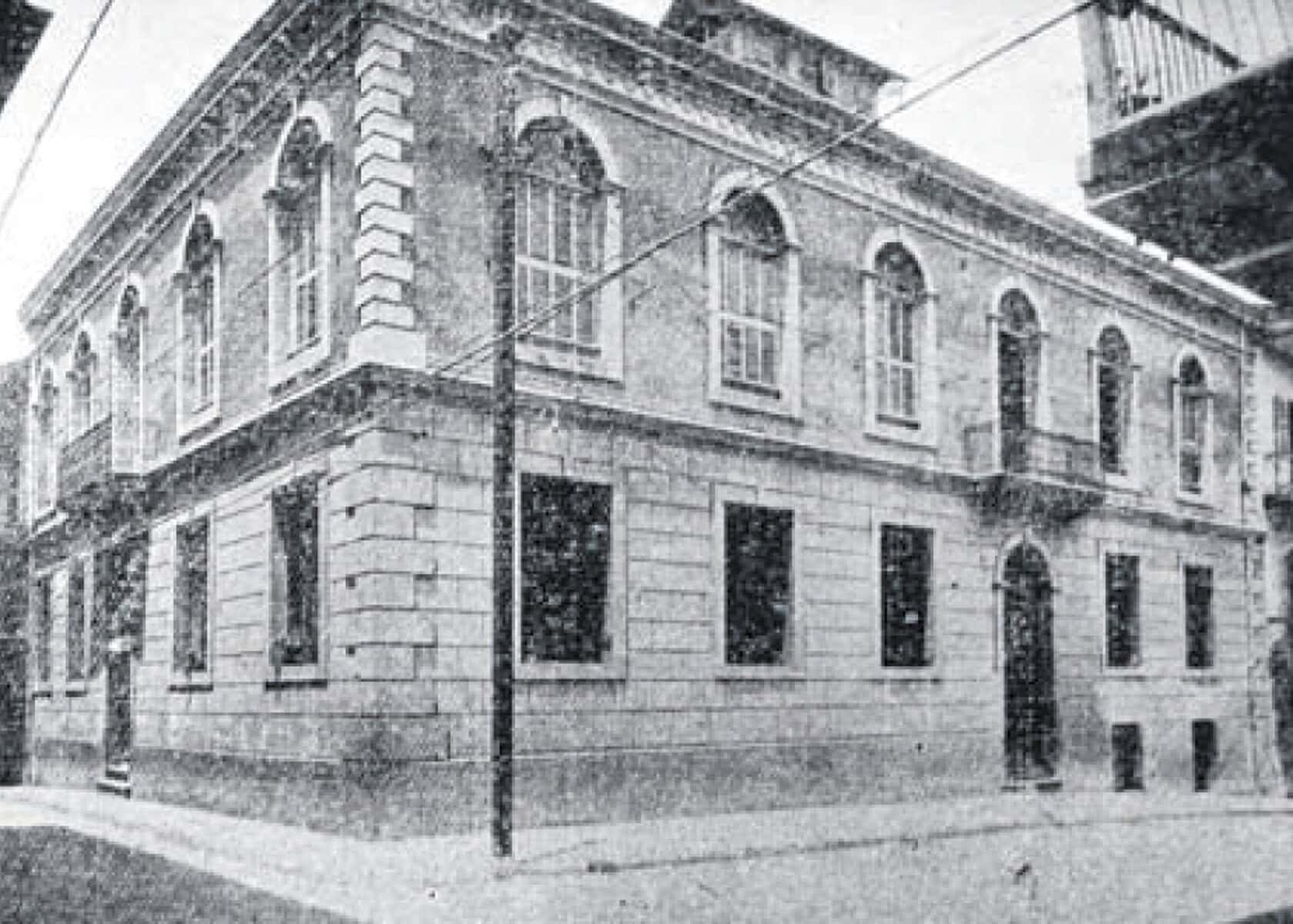
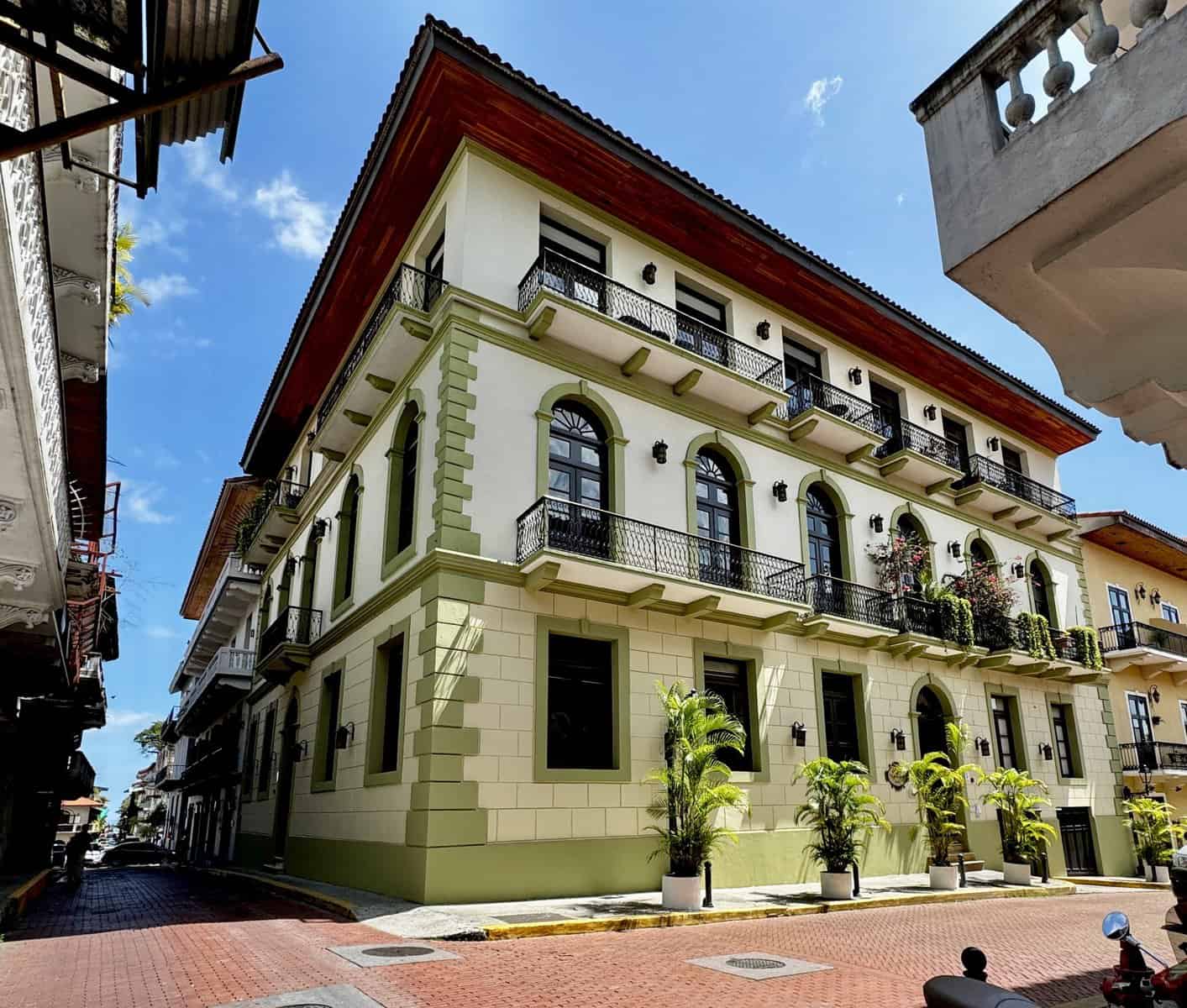
I was no longer simply living near La Merced. In many respects, I was living within its history. Historical records show this entire block originally formed part of the Mercedarian complex established after the move from Panamá Viejo. Many historians believe parts of today’s Garay House still follow the footprint of those original buildings, creating a tangible connection between the neighbourhood’s past and present.
Every time I leave my front door, I think about the generations who walked these same streets before me priests, students, merchants, craftsmen and families whose daily lives revolved around the church just a few steps away. Their world was very different from ours, yet the rhythm of the neighbourhood has always centred on La Merced.
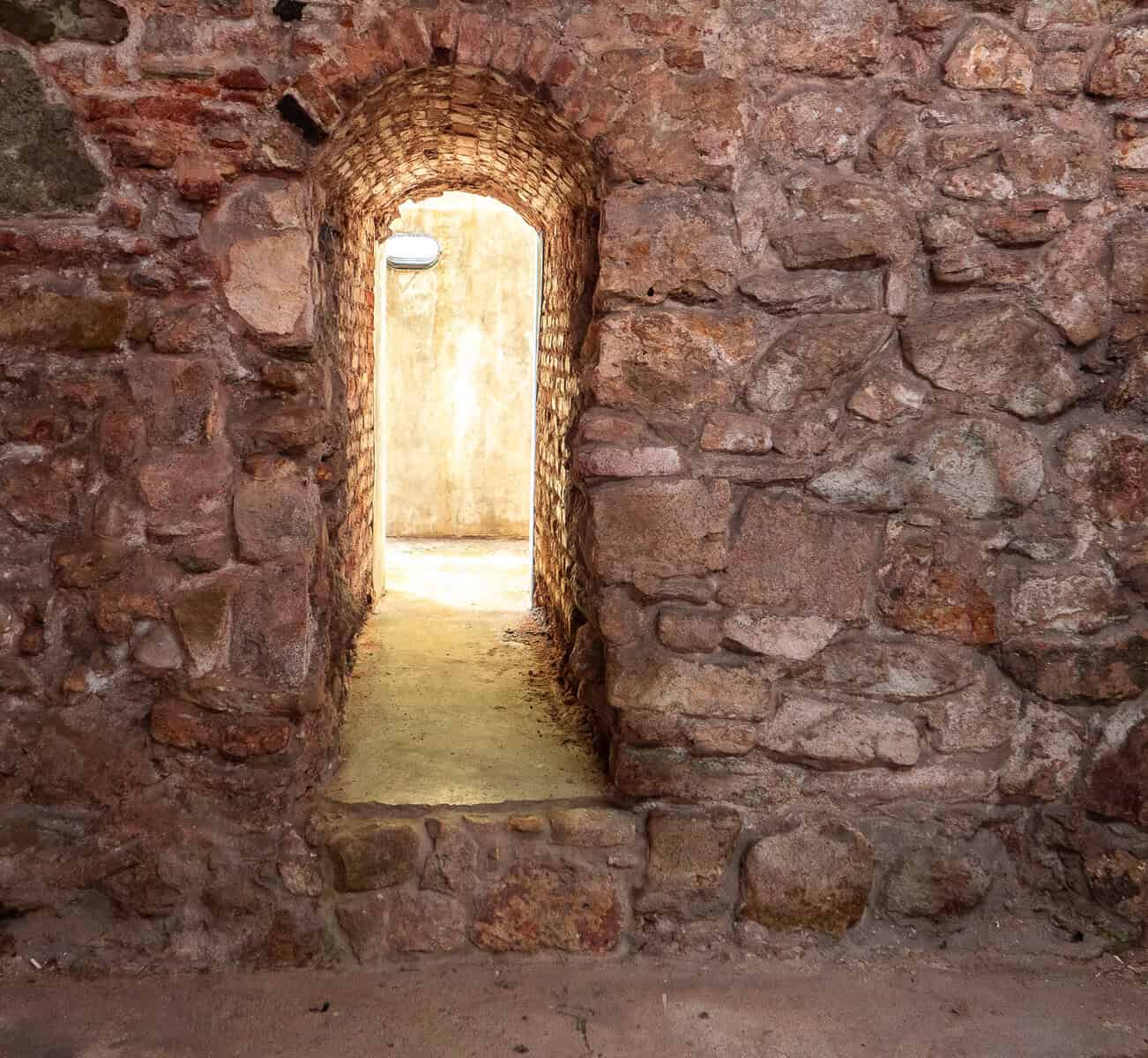
Residents also speak of a tunnel that once connected the convent to neighbouring buildings. Whether every detail can be documented or not, stories like these remind us that Casco Viejo still holds secrets waiting to be discovered beneath its streets and buildings.
Living here has taught me that history isn’t confined to museums or guidebooks. Sometimes it begins the moment you unlock your own front door.
Watching La Merced Come Back to Life
When visitors explore Casco Viejo today, it is easy to assume the neighbourhood has always looked this way.
Beautifully restored churches, elegant façades and lively plazas suggest a historic district that has always been carefully preserved. Those of us who have lived here know otherwise.
When I arrived in 2008, Casco Viejo was already emerging as one of Panama’s most important cultural destinations, but much of the restoration was still underway. Streets regularly disappeared behind construction barriers, historic buildings sat wrapped in scaffolding and skilled craftsmen quietly worked to bring the neighbourhood back to life.
La Merced was no exception.
Time and Panama’s tropical climate had left their mark on the church, and restoring a building of this age demanded far more than routine maintenance. Every carved stone, timber beam and decorative detail required specialist craftsmanship, patience and a commitment to preserving what made the building unique.
Over the years, I watched that transformation unfold one project at a time. Weathered stonework revealed its original character, the courtyards became welcoming public spaces once again, and careful conservation breathed new life into the church’s artwork, altars and architectural details.
The restoration reached beyond the church itself. A museum was created to interpret its history, and the sound of new bells once again echoed through the surrounding streets, reconnecting the neighbourhood with traditions that had shaped it for generations.
What impressed me most was not simply the craftsmanship, but the dedication behind it. Historic preservation on this scale depends on architects, conservators, historians, clergy, skilled tradespeople and volunteers sharing a long-term vision. Progress is measured in years, not months, and much of the work passes unnoticed by those who simply enjoy the finished result.
Today, visitors see a beautifully restored church.
Those of us who watched its transformation understand the remarkable journey that brought it back to life.
More Than a Restoration: Reviving the Heart of a Community
Restoring a historic church is one achievement.
Bringing it back to life is something entirely different.
Buildings can be repaired with skilled craftsmanship and careful planning. Rebuilding a sense of community depends on people who believe the church still has an important role to play.
That is exactly what has happened at La Merced.
Over the past two decades, the church has quietly re-established itself as one of the defining landmarks of Casco Viejo not simply because it was beautifully restored, but because it once again became part of everyday life.
That transformation has been guided by the parish, its clergy, volunteers, heritage specialists and generations of parishioners whose commitment extends far beyond maintaining the building. Together, they have preserved traditions that continue to shape the identity of the neighbourhood.
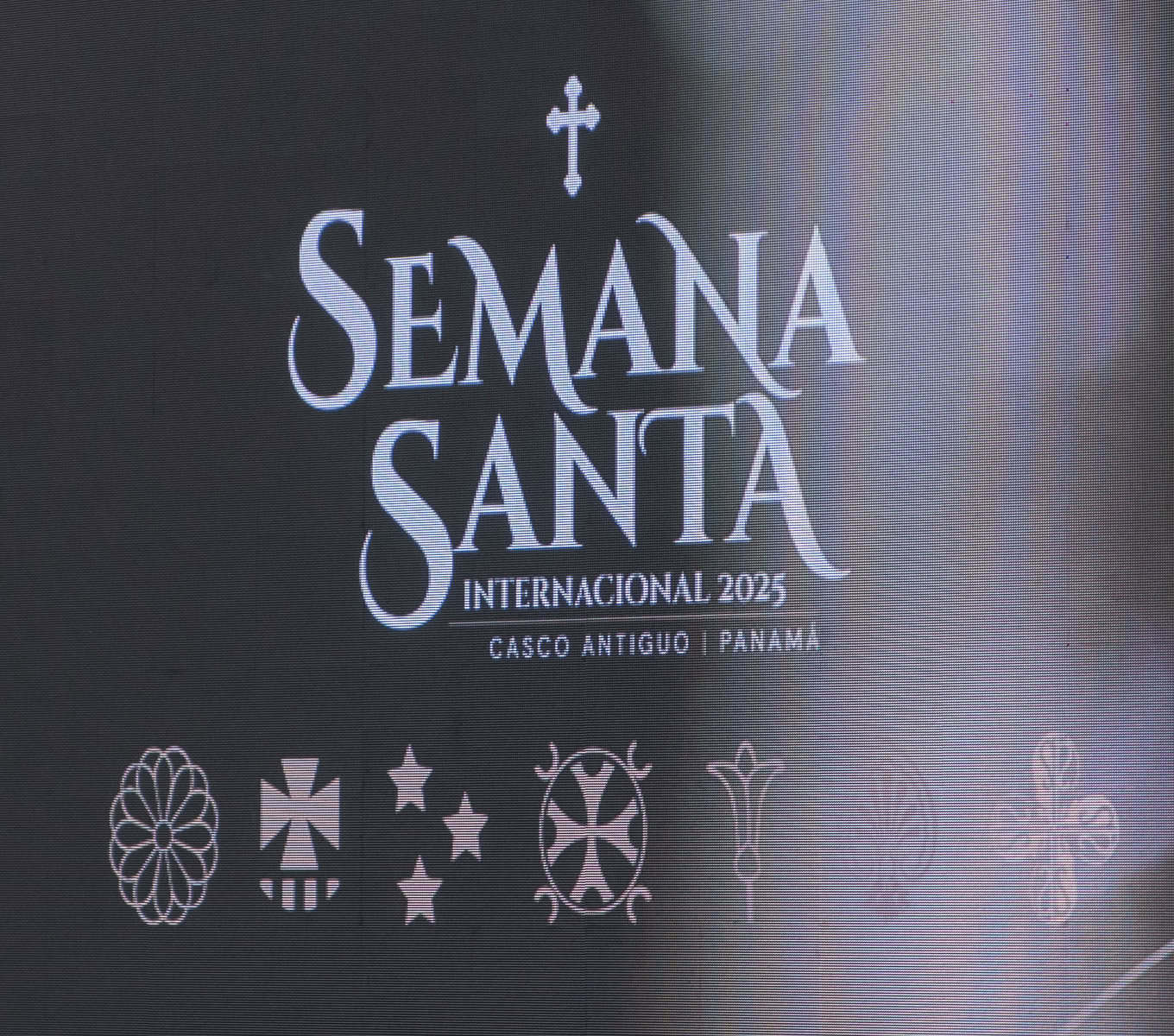
Nowhere is that more evident than during Holy Week.
For visitors, the processions are a memorable cultural experience. For residents, they are an expression of faith, history and community. Families line the streets, children watch in silence, and the sound of music and prayer echoes through buildings that have witnessed similar scenes for centuries.
What impresses me most is that these traditions are not performed for visitors. They endure because local families and volunteers have chosen to preserve them, passing them from one generation to the next.
Living here, I have watched that commitment grow stronger every year. Attendance has increased, younger generations have become involved, and La Merced has once again become a gathering place where history, faith, and community come together. For me, that is the greatest measure of the church’s restoration. The building was preserved. The traditions endured. And the community reclaimed one of its most important landmarks.

Where Panama Celebrates Life’s Biggest Moments
Finding Peace in the Middle of a Busy City
In Casco Viejo, visitors are drawn to rooftop bars, lively plazas, museums and some of Panama’s finest restaurants. The neighbourhood thrives on energy, conversation and the constant movement of people discovering it for the first time.
La Merced Church offers something entirely different.
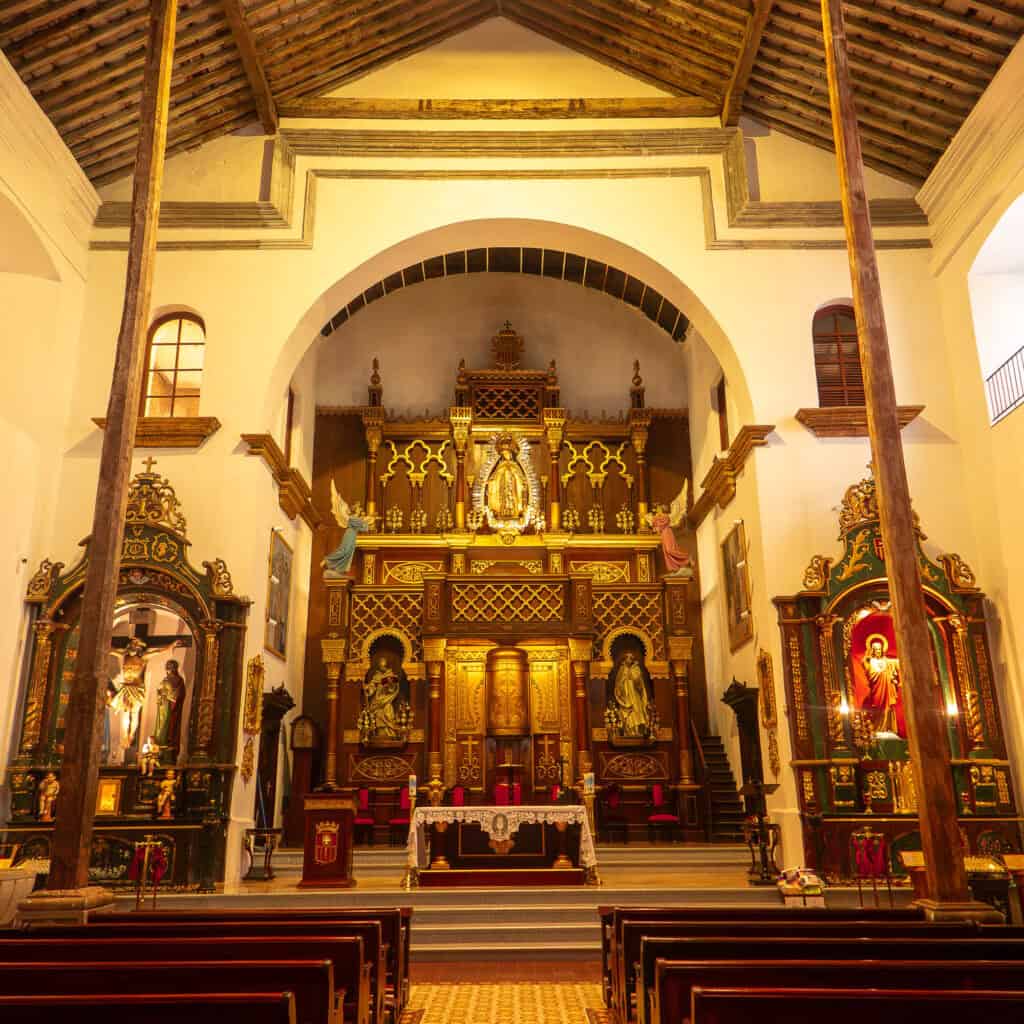
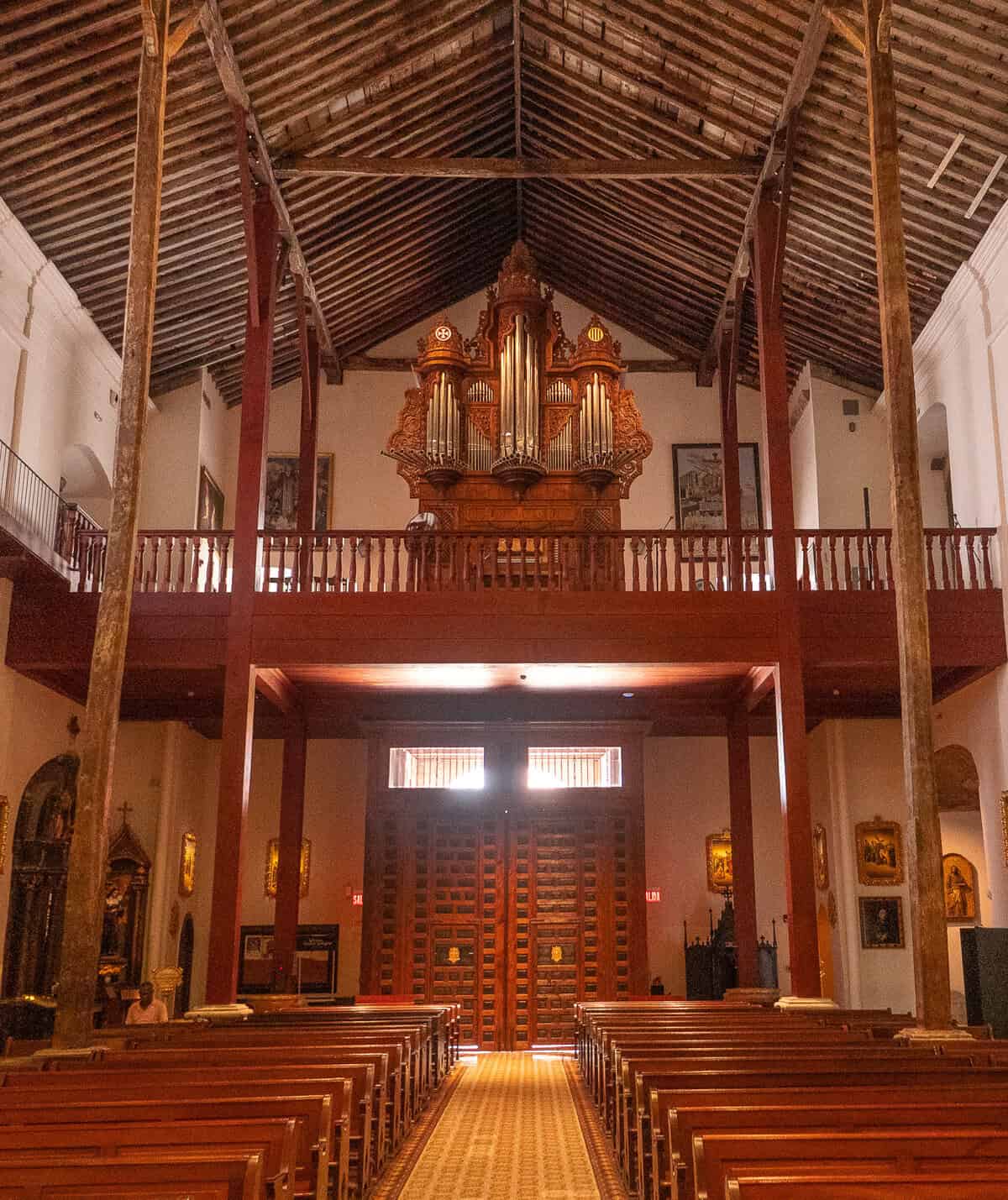
Despite standing in one of the busiest parts of Casco Viejo, stepping inside creates an immediate sense of calm. The sounds of the surrounding streets quickly fade, replaced by a stillness that feels increasingly rare in modern cities.
Over the years, I have found myself returning here every few weeks. Sometimes there is a reason. More often, there isn’t. I simply take a seat for a few minutes and allow the pace of the day to slow down. It has become one of those places where it is easy to think clearly, even while the neighbourhood outside remains full of life.
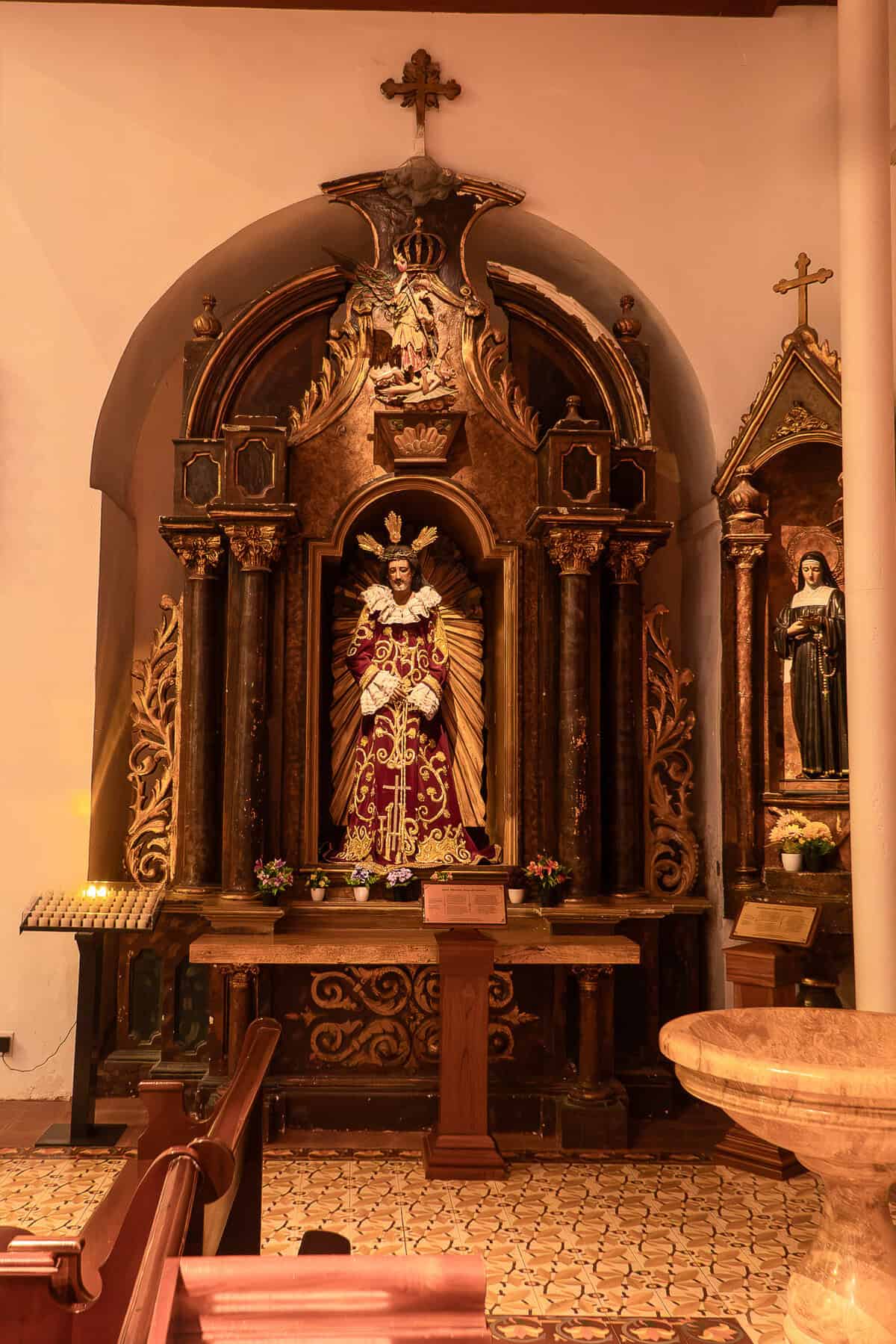
What I find most remarkable is how naturally visitors and local residents share the space. A traveller may pause to admire the architecture before continuing their walk through Casco Viejo. A resident may light a candle or spend a few quiet moments in prayer. Others simply sit in silence, appreciating the peaceful surroundings.

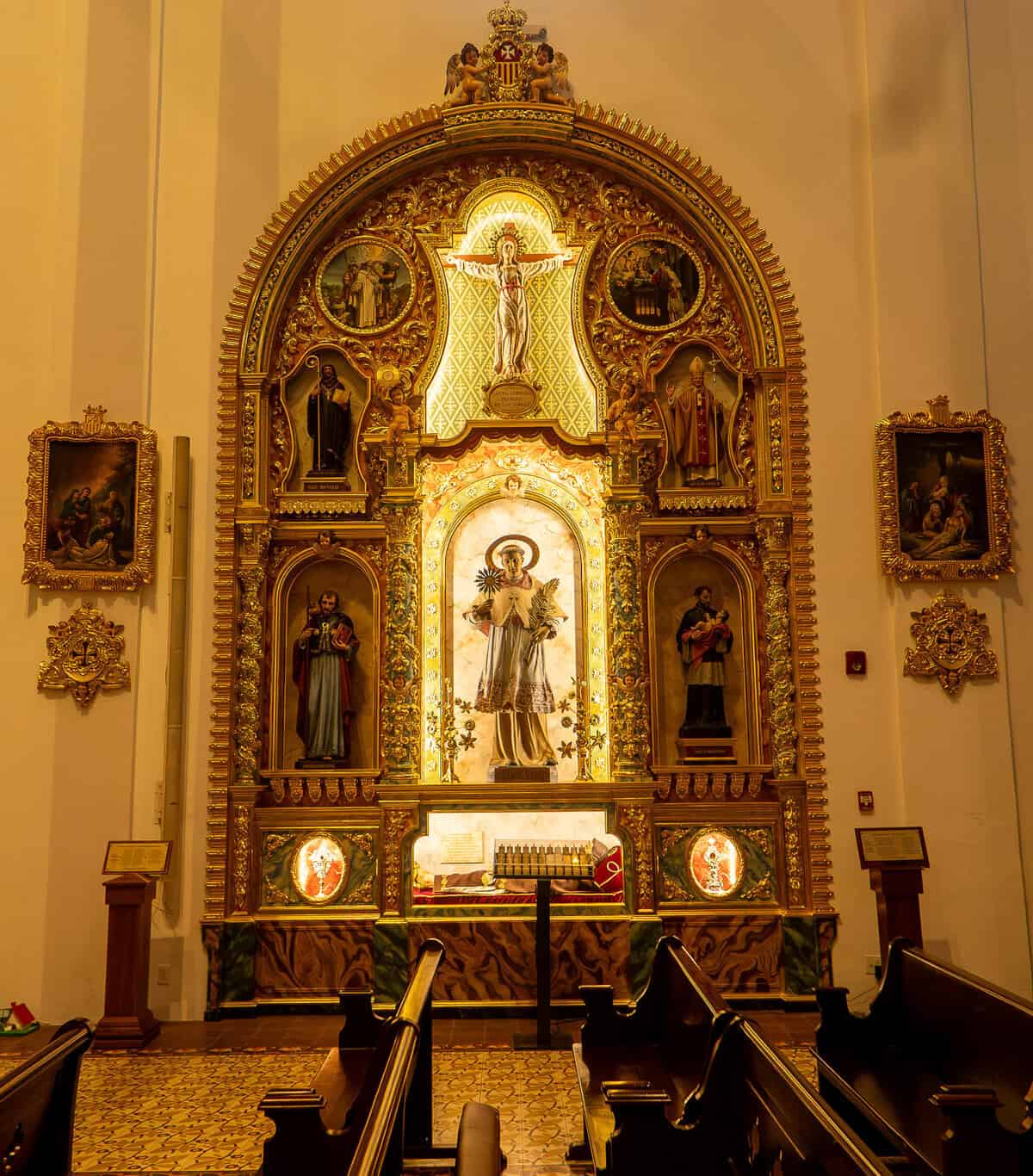
Nobody feels out of place.
Perhaps that is why I continue recommending La Merced to friends visiting Casco Viejo. I rarely tell them to spend their time taking photographs. Instead, I suggest they find a pew, look around and stay for ten minutes. Notice the changing light. Listen to the silence.
Allow yourself to appreciate a place that has offered peace, reflection and comfort to generations of Panamanians. By the time you leave, you are no longer looking at one of Casco Viejo’s oldest buildings. You are leaving one of its most enduring places. And, like me, you may well find yourself returning.
For more than three centuries, La Merced Church has witnessed many of life’s most important milestones.
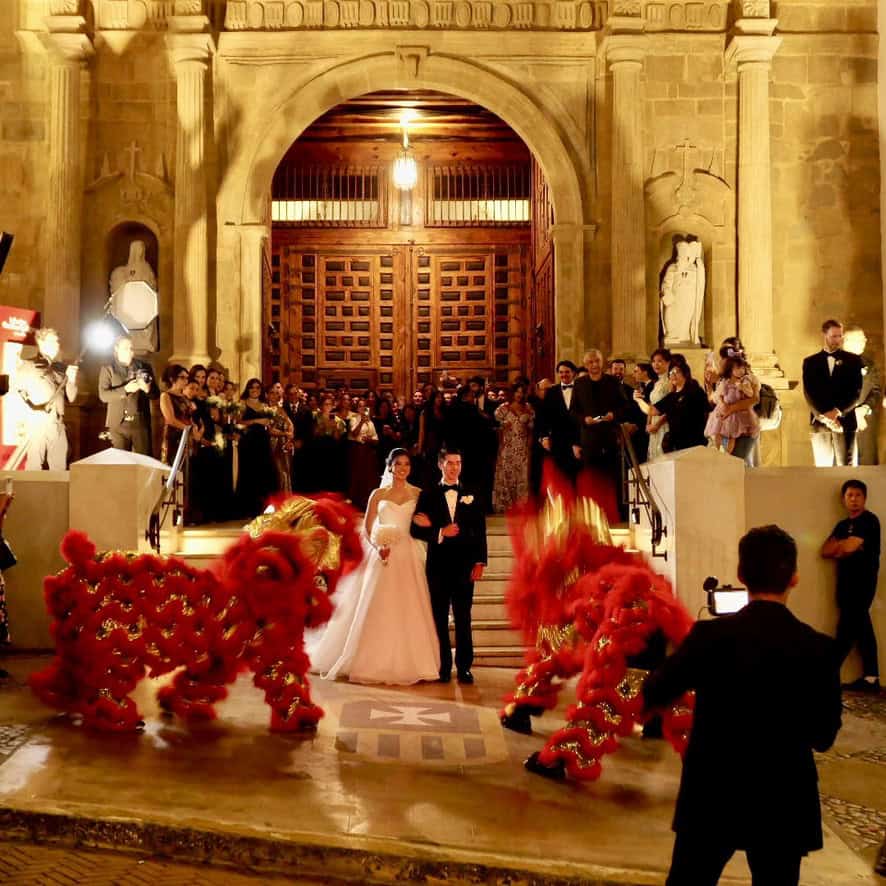
Generations of Panamanians have gathered here to celebrate baptisms, confirmations, weddings and funerals. While visitors often admire the church for its architecture, local families have always valued it for something far more personal. It is where traditions continue, memories are created and one generation quietly passes its history to the next.
During my years living in Casco Viejo, I have been fortunate enough to attend several weddings at La Merced. Each one has reinforced why the church remains such an important part of Panama’s social and cultural life.
Many of the families who marry here have deep roots in Panama. For them, La Merced is far more than a beautiful venue—it represents continuity and a lasting connection to previous generations who celebrated beneath the same vaulted ceilings.
One detail has always fascinated me. A day or two before a major wedding, there is a quiet sense of anticipation across the street at the American Trade Hotel. Florists arrive, reception rooms are prepared and staff move with calm efficiency as everything comes together for the celebration ahead.
When the ceremony ends, guests simply stroll across Central Avenue to continue the festivities. Few historic districts offer such a seamless connection between a centuries-old church and one of the city’s finest reception venues.
One wedding, in particular, has stayed with me. As the ceremony began, the choir filled the church with music of remarkable clarity. The acoustics were extraordinary, and for a few moments I found myself thinking of some of the great churches I have visited throughout Europe. It was one of those rare occasions when architecture, music and history came together so naturally that the building itself became part of the experience.
The greatest churches are never defined solely by their architecture. They are defined by the moments they witness.
Long after the flowers have faded and the celebrations have ended, La Merced remains exactly where it has always stood, ready to welcome the next family beginning its own chapter. In a neighbourhood celebrated for its history, it reminds us that history is not simply inherited it continues to be written.

Why La Merced Should Be Part of Every Visit to Casco Viejo
After spending more than forty years in the hospitality industry, I have learnt that the places visitors remember most are rarely the ones they expected.
Travellers often arrive with a checklist, eager to see the landmarks and photograph the famous buildings. There is nothing wrong with that, but it can mean overlooking the places that reveal the true character of a destination.
For me, La Merced Church is one of those places.
It is one of the reasons I included La Merced Church as a featured stop on my Casco Viejo Self-Guided Walking Tour. After living in the neighbourhood since 2008, I wanted visitors to experience not only the famous landmarks but also the stories that give them meaning.
If someone asked me to recommend just a handful of experiences that capture the spirit of Casco Viejo, this church would always be on the list. Not simply because of its history or architecture, but because it tells the story of the neighbourhood better than almost anywhere else.
Within a few minutes’ walk, you can stand where Panama’s history unfolded, explore outstanding museums, enjoy one of the city’s finest restaurants, and then step inside a church that has quietly witnessed those same streets for more than three centuries.
As someone who regularly introduces Casco Viejo to meeting planners, travel professionals and visitors from around the world, I always encourage them to slow down. Rather than trying to see everything, spend a little longer in the places that reveal the neighbourhood’s character. La Merced is one of those places.
Every visit is slightly different. Some days the church is almost silent. On others, it is filled with music, celebration or quiet prayer. Whatever you experience, you leave with the sense that you have discovered something authentic rather than something created for visitors.
For me, that is the greatest compliment any destination can receive.
Long after visitors have forgotten street names or historical dates, they remember how a place made them feel. La Merced Church has been creating those memories for more than three centuries, and I have little doubt it will continue doing so for generations to come.
You Don’t Have to Be Religious to Appreciate La Merced
One of the questions I am occasionally asked is whether La Merced Church is worth visiting if you are not religious. My answer is always the same. Absolutely. Some visitors arrive because of their faith. Others come for the architecture, history or photography. Many simply step inside while exploring Casco Viejo.
La Merced welcomes them all.
That openness is one of the reasons I admire the church. There is no expectation that visitors share the same beliefs or understand Catholic traditions. Respect is the only requirement. In return, the church offers something increasingly rare.
Perspective.
Spend a few minutes inside, and it is difficult not to think about the generations who have stood in the same place. Long before Panama became a republic, before the Canal was built and before Casco Viejo welcomed visitors from around the world, people came here to celebrate, to grieve, to give thanks or simply to find comfort during uncertain times.
Although the city outside has changed dramatically, those very human experiences remain remarkably familiar. That is why I continue finding my way back. It has very little to do with religion and everything to do with reflection.
Great historic buildings have a way of slowing us down. They remind us that our own lives are only a small chapter in a much longer story. Few places in Casco Viejo do that as naturally as La Merced Church. Whether you arrive as a believer, a historian, an architect, a photographer or simply a curious traveller, give yourself more than a passing glance. You may discover that what stays with you isn’t the beautiful façade or even the centuries of history.
It’s the feeling that, after more than three hundred years, La Merced Church still offers exactly what so many people have come seeking a place to pause, reflect and reconnect before stepping back into the world outside.
Preserving More Than the Building
The restoration of La Merced Church was never limited to repairing stone walls and conserving historic artwork. It also created an opportunity to preserve and share the church’s story with future generations.
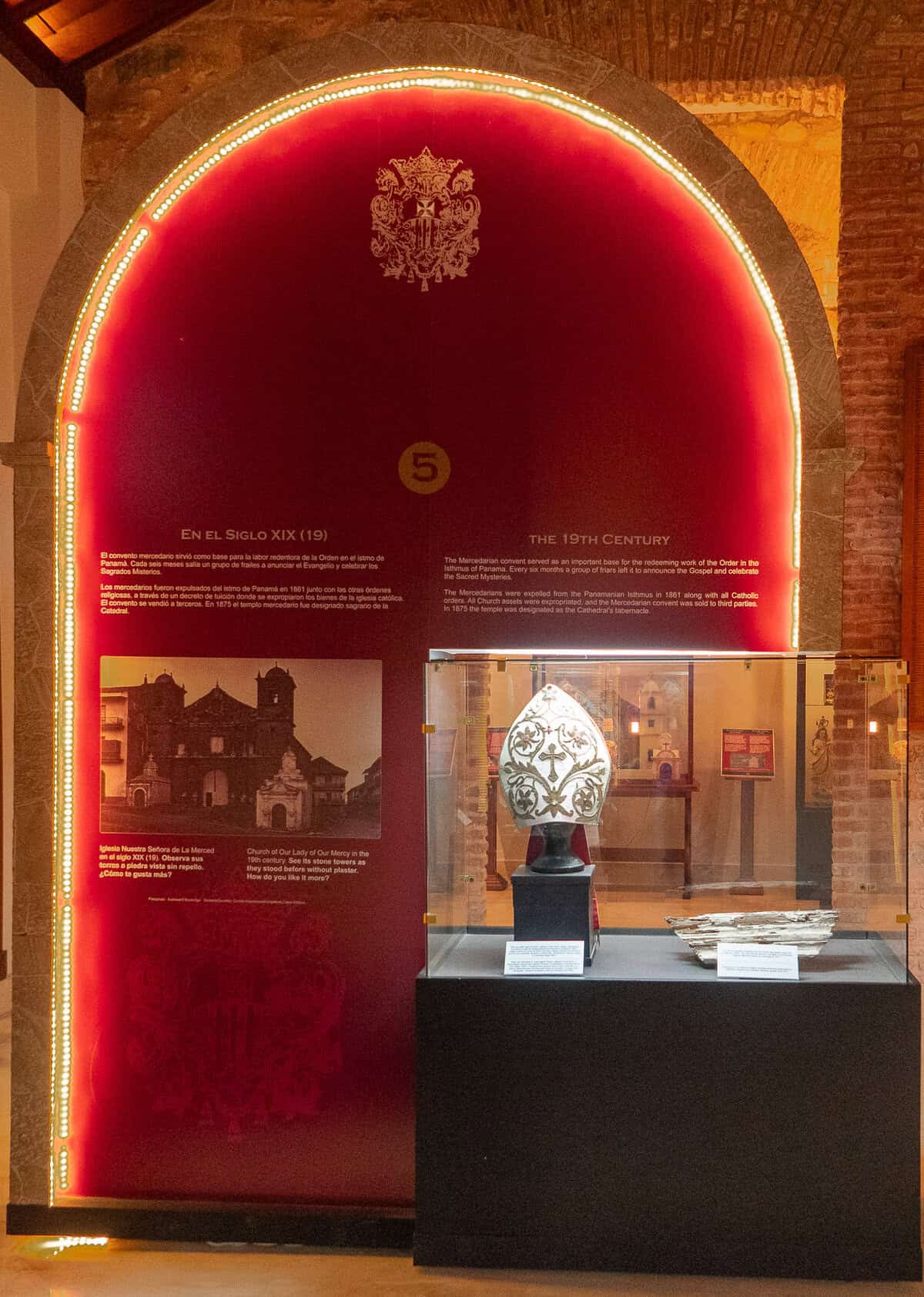
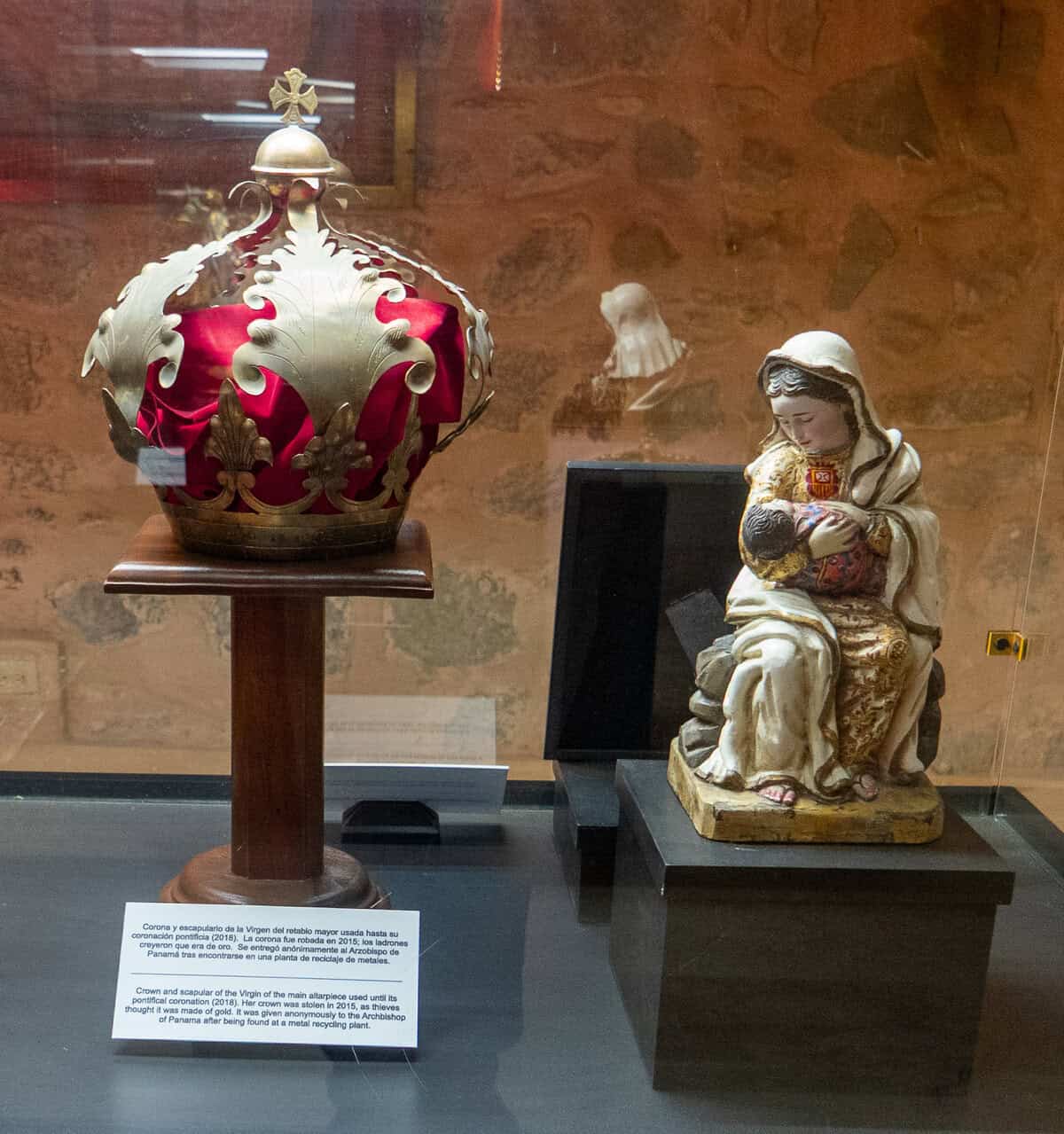
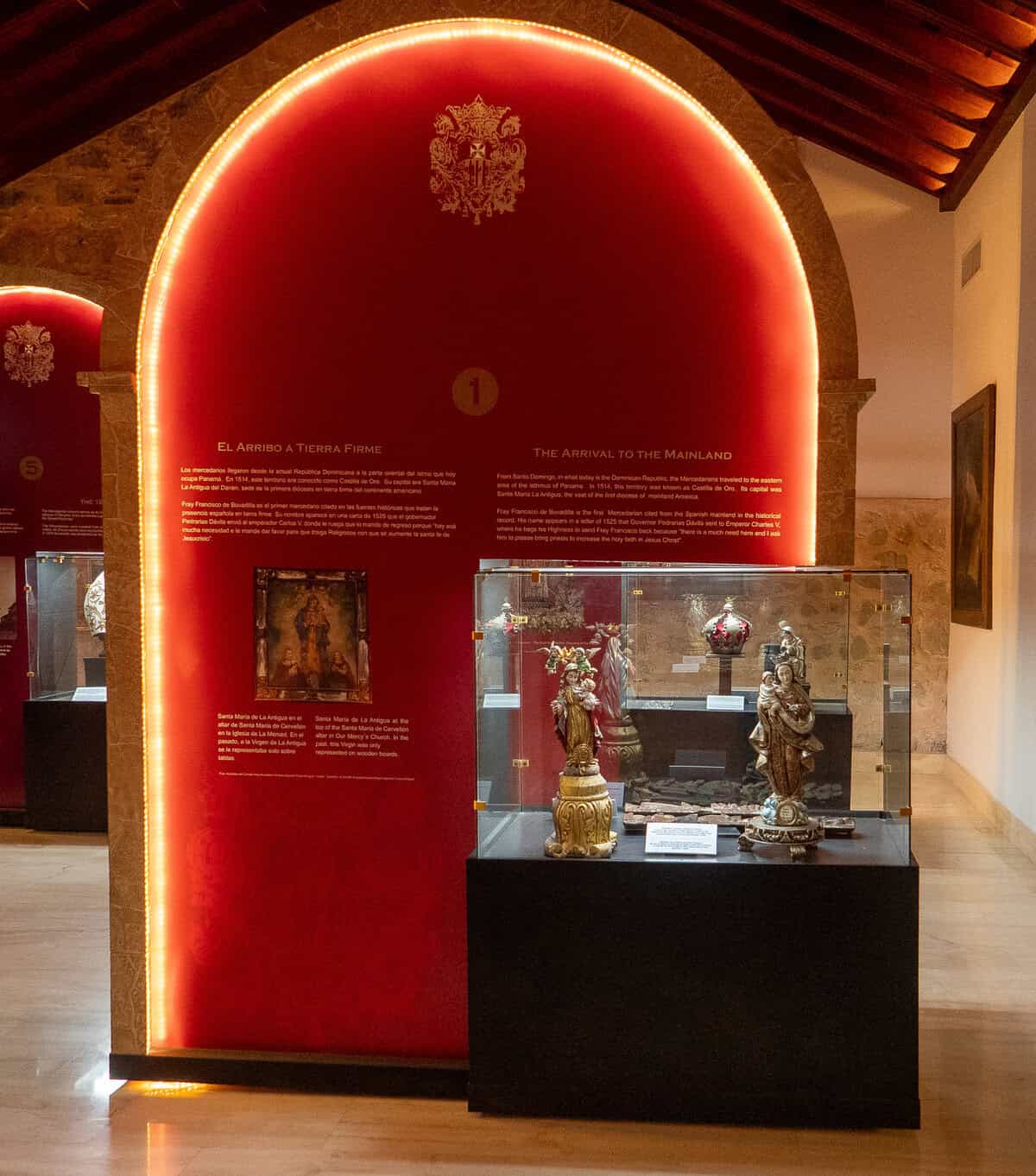
One of the most valuable additions has been the Museo de La Merced, located within the church complex. Rather than competing with the church itself, the museum complements the visitor experience by placing centuries of history into context.
Its collection of religious artwork, liturgical objects, historic documents and artefacts provides a deeper understanding of the Mercedarian Order and the role La Merced Church has played in Panama’s religious, social and cultural history.
I have always felt the museum deserves far more attention than it receives.
Many visitors admire the church, take a few photographs and continue exploring Casco Viejo without realising that some of its most fascinating stories are preserved just a few steps away. Spending an extra twenty or thirty minutes in the museum transforms a visit from simply appreciating a beautiful church into understanding why La Merced Church has remained such an important institution for more than three centuries.
Together, the church and museum tell a story that architecture alone could never convey. One preserves the living traditions of the parish, while the other safeguards the objects, documents and history that help explain its remarkable journey through the centuries.
Planning Your Visit to La Merced Church
One of the things I appreciate most about La Merced Church is that it remains a working parish while welcoming visitors with warmth and respect.
If you can, allow at least 30 minutes for your visit. That gives you time to appreciate the architecture, enjoy the peaceful atmosphere and, if it is open, explore the Museo de La Merced, which provides valuable insight into the church’s history.
Early mornings are often the quietest time to visit, while late afternoons offer a different atmosphere as Casco Viejo comes to life. If your visit coincides with Mass or another religious service, remember that you are entering an active place of worship, so quiet respect should always take priority over photography.
La Merced Church also fits perfectly into a walking tour of Casco Viejo. The Panama Canal Museum, Plaza Bolívar, the Metropolitan Cathedral, the Church of San José and the American Trade Hotel are all just a short walk away.
My advice is simple.
Don’t rush. The most memorable experiences in Casco Viejo are often the ones you never planned.


Fascinating Facts About La Merced Church
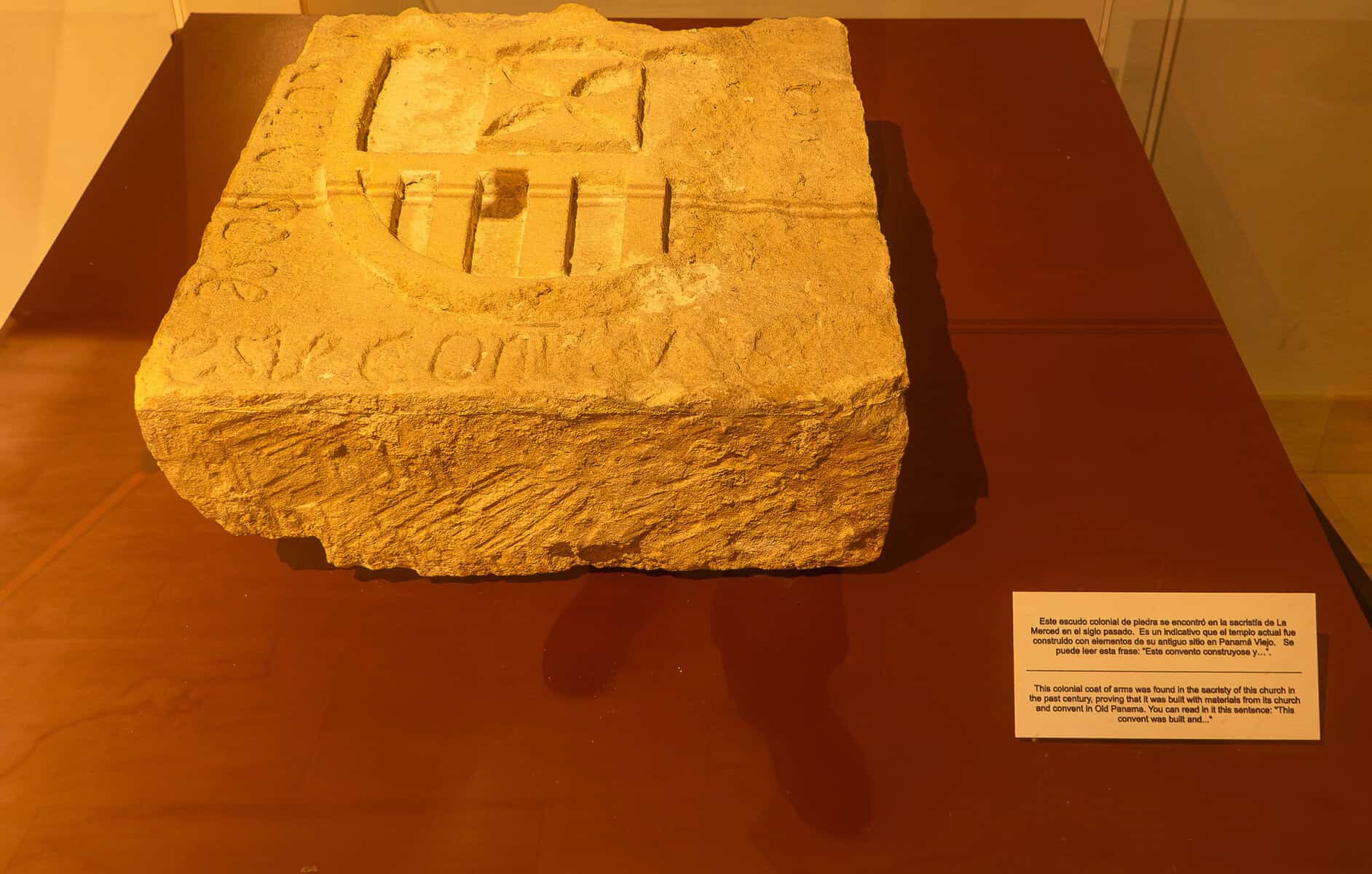
- The Façade Is Older Than Casco Viejo The magnificent Baroque stone façade standing today was not originally built in Casco Viejo. It belonged to the original Church of La Merced in Panamá Viejo and was carefully dismantled after Henry Morgan’s attack in 1671 before being reconstructed in the new city.
- It Is One of the Few Structures Physically Connected to Panamá Viejo While Casco Viejo was built as an entirely new city, La Merced provides a direct architectural link between Panama’s first Spanish settlement and the historic district visitors explore today.
- The Church Has Served Panama for More Than Three Centuries Construction of the present church was completed during the eighteenth century, and La Merced has remained an active place of worship ever since. Few buildings in Panama City have served the community continuously for so long.
- It Is Still a Working Parish Unlike many historic churches that function primarily as museums, La Merced continues to celebrate regular Mass, baptisms, weddings and religious festivals throughout the year. Visitors are experiencing a living church rather than a preserved monument.
- Holy Week Is One of the Best Times to Visit During Semana Santa (Holy Week), La Merced becomes one of the spiritual centres of Casco Viejo. Traditional processions, religious ceremonies and centuries-old customs continue to attract worshippers and visitors alike.
- The Church Houses Its Own Museum The Museo de La Merced preserves religious artwork, historic documents, sacred objects and artefacts that help explain both the history of the church and the influence of the Mercedarian Order in Panama. It adds an entirely different dimension to a visit.
- Its Acoustics Are Exceptional Whether listening to the choir during a wedding, attending Mass or simply standing quietly inside the nave, the church’s acoustics are remarkable. The architecture was designed long before microphones existed, yet music fills the space with extraordinary clarity.
- The Mercedarian Order Helped Shape Early Casco Viejo When the new city was established after the destruction of Panamá Viejo, the Mercedarian Order received land within the city’s original layout. Their presence became an important part of the religious, educational and social development of early colonial Panama.
- It Remains One of Casco Viejo’s Quietest Places Only a few metres separate the church from some of the busiest streets in the historic district, yet stepping inside feels like entering another world. The contrast between the lively neighbourhood outside and the calm interior is one of La Merced’s most memorable qualities.
Frequently Asked Questions About La Merced Church, Casco Viejo
La Merced Church is located in the heart of Casco Viejo (Casco Antiguo), Panama City’s UNESCO World Heritage historic district. It stands on Avenida Central, just a short walk from Plaza Bolívar, the Metropolitan Cathedral, the Panama Canal Museum and many of Casco Viejo’s best hotels, restaurants and cafés. Its central location makes it an easy stop on any walking tour of the neighbourhood.
Entry to the church is generally $2, although donations are always appreciated as well to help support the ongoing care and preservation of this historic building. If the Museo de La Merced is open during your visit, you do the tour
La Merced is best known for its magnificent Baroque stone façade, which originally belonged to the church in Panamá Viejo. After Henry Morgan destroyed the original city in 1671, the façade was dismantled stone by stone and reconstructed in the new settlement that became today’s Casco Viejo. Few buildings in Panama provide such a direct architectural connection between the old city and the new.
Yes. Although thousands of visitors explore the church each year, La Merced remains an active Catholic parish. Regular Masses, baptisms, weddings and religious celebrations continue throughout the year, making it a living part of the Casco Viejo community rather than simply a historic attraction.
Early morning is usually the quietest time to appreciate the architecture and peaceful atmosphere. Late afternoon also offers beautiful natural light. If you happen to visit during Holy Week, you’ll experience one of the church’s most important religious celebrations, although it will naturally be much busier.
Most visitors spend between 20 and 30 minutes inside the church. If you also visit the Museo de La Merced and take time to appreciate the architecture and surroundings, allow around an hour for a more complete experience.
Photography is generally permitted, provided it is respectful and does not interrupt religious services or ceremonies. If a Mass, wedding, or baptism is taking place, visitors should avoid using flash photography and always remain considerate of those attending the service.
Absolutely. While La Merced remains an active Catholic church, many visitors come to admire its architecture, learn about Panama’s history or simply enjoy one of the most peaceful places in Casco Viejo. Whether your interest is history, culture, photography or architecture, the church offers a rewarding experience regardless of religious belief.
Yes. The museum adds valuable historical context to the church itself, displaying religious artwork, liturgical objects, historic documents and artefacts connected with the Mercedarian Order and the history of Panama. If it is open during your visit, I highly recommend taking the extra time to explore it.
Every historic church in Casco Viejo has its own story, but La Merced combines several remarkable qualities in one place. Its façade links modern Panama City directly to Panamá Viejo, it remains an active parish after more than three centuries, it has undergone an extraordinary restoration, and it continues to play an important role in community life today. Having lived in Casco Viejo since 2008, I return to it more often than any other place—not only because of its history, but also because of the sense of peace it offers in the middle of a vibrant neighborhood.
Final Thoughts about the La Merced Church
After living in Casco Viejo for nearly two decades, I have watched the neighborhood evolve in remarkable ways. New hotels have opened, restaurants have earned international recognition, and visitors now arrive from around the world to experience one of Latin America’s finest historic districts.
Through all of that change, La Merced Church has remained a constant.
Its centuries-old stone façade still welcomes everyone who passes by, while inside, the life of the parish continues much as it has for generations. Few places capture the spirit of Casco Viejo so completely, bringing together history, faith, tradition and community beneath one remarkable roof.
If this is your first visit to Casco Viejo, make time for La Merced Church. Step inside, pause for a few moments, and experience it for yourself.
I believe you’ll leave with a deeper understanding of this remarkable neighborhood than any guidebook could ever provide.
For me, that is the true measure of a great historic landmark. It doesn’t simply preserve the past; it helps us understand the people and traditions that continue to shape Casco Viejo today.
Continue Exploring Casco Viejo
Thank you for taking the time to read this guide. La Merced Church is only one chapter in the remarkable story of Casco Viejo. The district’s churches, plazas, museums and historic streets each reveal another piece of Panama’s cultural heritage.
If you’re planning to explore further, these guides will help you discover more of Casco Viejo and Panama City:
Discover how one of Latin America’s smallest historic districts became one of Panama’s most important cultural, hospitality and culinary destinations.
Make the most of your visit with practical advice on where to stay, what to see and how to experience Panama City in just a few days.
Explore more in-depth articles covering Casco Viejo’s history, architecture, culture, restaurants and the people who make this UNESCO World Heritage district so unique.
I hope this guide helps you appreciate not only the beauty of La Merced Church, but also the history, traditions and community that continue to make Casco Viejo one of Panama’s most remarkable places to visit.
James P. Rice
Founder & Publisher, CascoViejo360.com
info@CascoViejo360.com
Casco Viejo Walking Tour
Explore Casco Viejo at your own pace with a flexible self-guided walking route designed for your phone.
- No groups, no schedules
- Start anywhere, stop anywhere
- Works on phone or desktop
Panama City In 24 Hours
A carefully paced local itinerary for travelers with limited time who still want to experience Panama properly.
- Arrival day made simple
- Rooftops, dining & local rhythm
- Smart airport timing
Three Nights & Four Days
A flexible Panama itinerary centered around Casco Viejo, designed to help you arrive calmly and plan with confidence.
- Casco Viejo as your base
- Smart day trips and dining
- Timing without overplanning
Meetings in Casco Viejo, Panama
For planners looking beyond ballrooms. Boutique hotels, rooftop receptions, walkable dine-arounds, and real neighborhood character — this is how serious meetings get done here.
PLAN A MEETING HEREDestination Weddings in Casco Viejo
Historic churches, rooftop sunsets, colonial courtyards, and everything within walking distance. If you’re considering Panama, start here before you make a single call.
EXPLORE WEDDINGSCasco Viejo Boundaries
Where Casco truly begins, where it ends, and why that matters. If you’re booking a hotel, planning an event, or buying property — this distinction is important.
UNDERSTAND THE MAPJames P. Rice
James P. Rice purchased a home in Casco Viejo in 2008 and brings more than 40 years of hospitality, restaurant, tourism, and convention industry experience to CascoViejo360.com.
His background includes leadership positions with Ritz-Carlton and Hyatt Hotels, executive roles with major convention centers, and ownership of restaurants and pubs in both the United Kingdom and the United States.
Every article, hotel, restaurant, rooftop venue, attraction, and experience featured on CascoViejo360.com is selected through local knowledge, personal experience, and professional review, with careful consideration given to visitor experience, service standards, authenticity, and its contribution to the overall Casco Viejo and Panama City visitor experience.